Farm Equipment‘s Shortline Legends video series is brought to you by FEMA.

For 75 years, FEMA members bring choice, value and Innovation to Agriculture. Shortline manufactures offer preferred brands at better margins, First to the market with innovation and dealers are more profitable with shortline manufacturers. For 75 years, customers prefer equipment from FEMA shortline manufacturers. Learn more at www.farmequip.org.
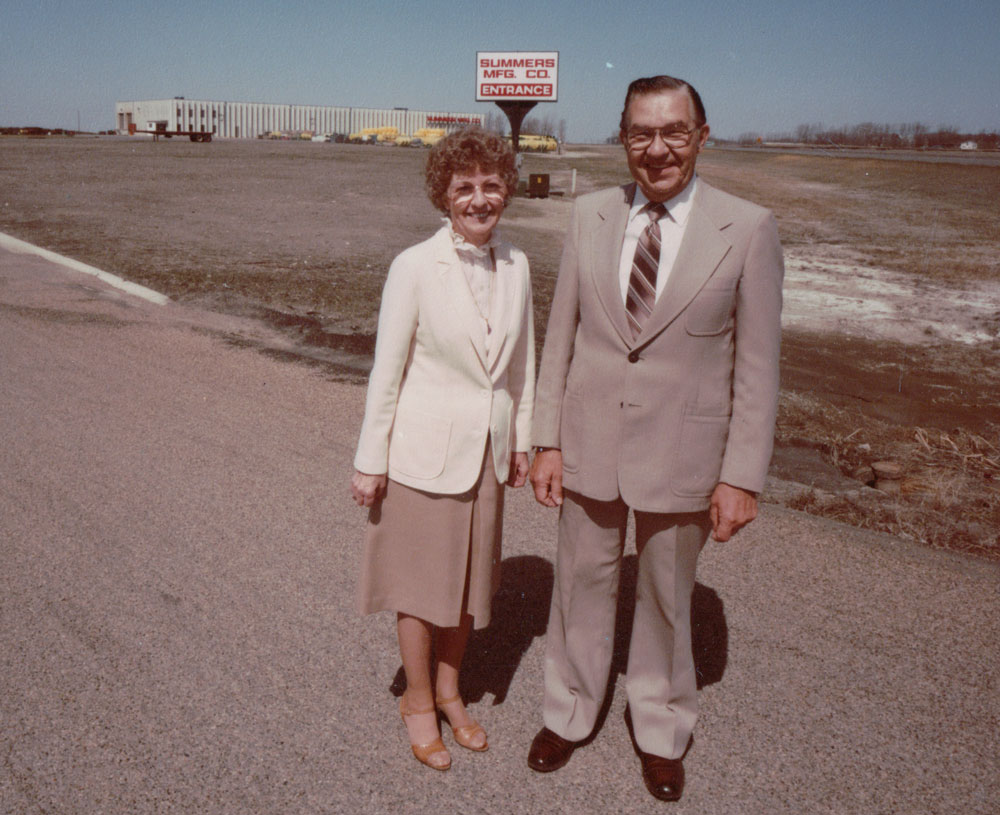
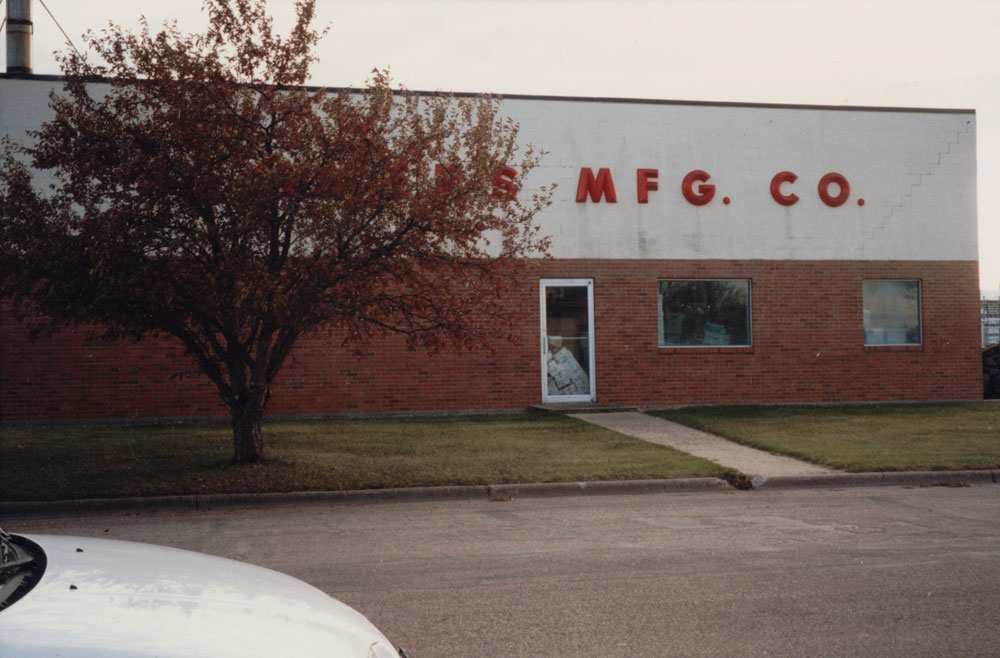
Deb Anderson was just 9 years old when her now late father, Harley Summers, started Summers Mfg. in Maddock, N.D. in 1965. She ended up working for the company for 42 years, many of which were alongside her dad. Of all the things Deb learned from Harley, one thing had the most impact.
“Dad’s fortitude is what made him such a respected business leader and person,” she says. “One of the last things he said to me before he died in December 2000 was that the only thing you can count on in life is change. I never forgot that, especially when I took over as president in 2007. When you get knocked down, you always have to pick yourself up and keep going.”
Harley got knocked down hard in his mid-40s when his lifelong profession began facing disruption. But his lifelong relationship with area farmers helped him get back up, and ultimately led to the creation of Summers Mfg.
Harley first got into blacksmithing when he’d left school after the 9th grade to work in his father’s shop. Harley took over that shop at age 21 in 1940, the same year the U.S. enacted its first peacetime draft.
Larry Summers, one of Harley’s sons, recalls hearing his dad talk about getting drafted.
“The farmers around here got a petition together and contacted somebody in the government,” Larry says. “Those farmers back then relied on the local blacksmiths because they couldn’t get parts for their equipment since everything was being put toward the war effort. So my dad was granted an exemption and came back to his blacksmith shop to help keep our farmers going.”
Everything started to change by the early 1960s. Blacksmithing fell out of demand as farmers started buying their own welding equipment. Then major OEMs started offering throwaway plow lathes, which put a major dent in Harley’s income because he had always done a lot of lathe sharpening for area farmers. Harley needed to embrace change, pick himself up and keep going.
“A banker told my dad about a business that was for sale,” says Larry, who was 18 at the time. “Two brothers named Goebel had a pickup hoist manufacturing business and were looking to retire. So my dad visited them and ended up buying the patent rights. That’s when Summers Mfg. began in 1965.”
Within a year, Harley decided he also wanted to start making truck hoists, in addition to the pickup hoists he’d purchased the patent rights for, to continue expanding his new manufacturing business. “My dad may have only had a 9th-grade education, but he was a blacksmith and great inventor,” Larry says.
Business grew steadily, as did Harley’s reputation for building reliable hoisting equipment. His reputation among the farming community was also still strong. It was that reputation that ultimately led to an inquiry that changed the course of history for Summers Mfg.
Along Came Ardon
A farmer named Ardon Herman had been making a unique kind of harrow. He knew that if he wanted to start building more of them, he needed manufacturing support. As he was asking around, Harley Summers’ name kept coming up.
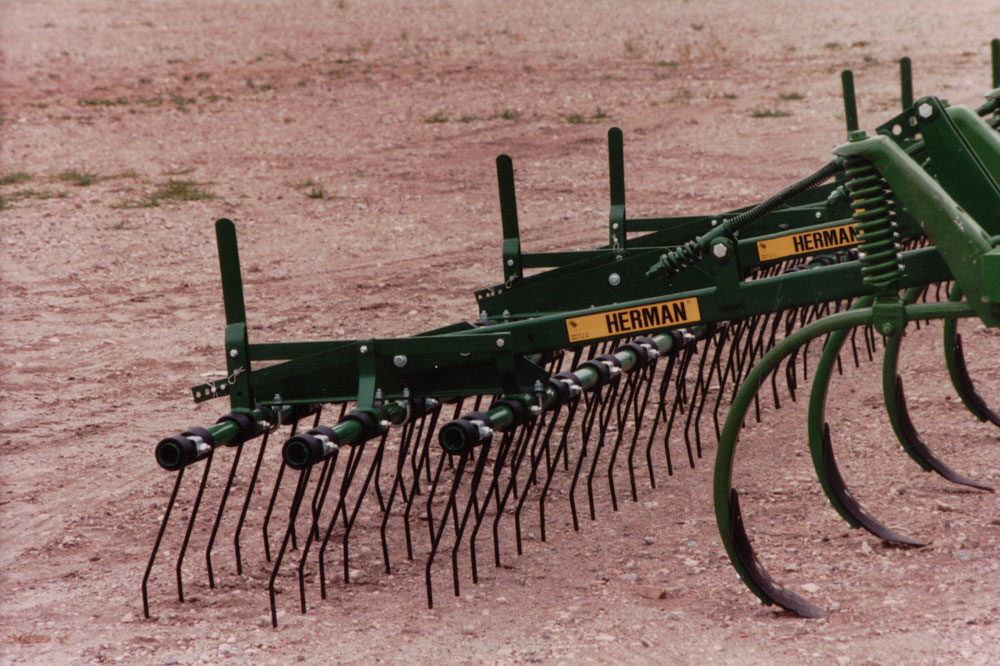
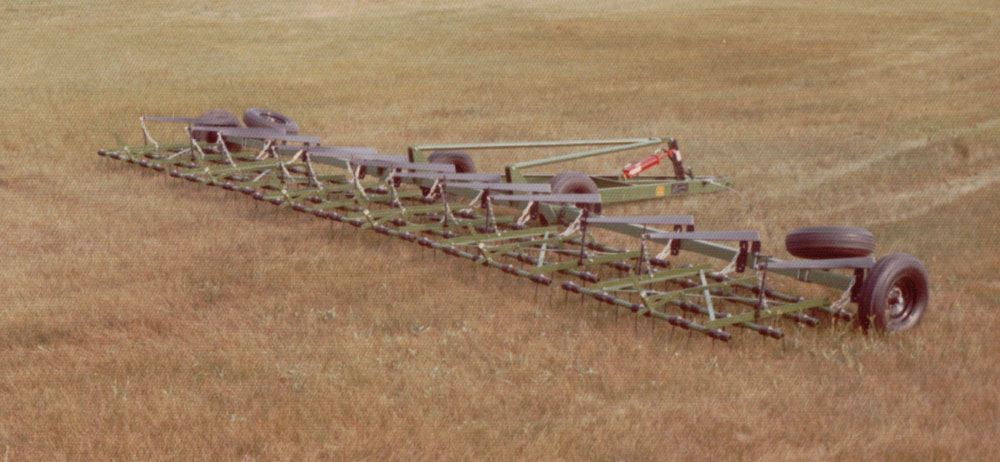
“I was just a boy when my dad was making his harrow in the shop on the family farm,” says Peter Herman, the late Ardon’s oldest son. The concept behind the harrow was a bent-tooth design that would provide slightly more aggressive tillage. Then, a heavy-duty drawbar was needed so several harrow sections could be hooked to it, which is a big piece of the product Harley came up with. Summers Mfg. purchased the rights to the product, which came to be known as the Herman Harrow.
“I remember going with my dad to the Summers facility in Maddock,” Peter tells. “My dad and Harley would pore over designs all day, coming up with ways to refine different aspects of the harrow to make it better and more mass produceable. They always seemed amicable and collaborative. I never heard my dad say a bad thing about Harley.”
“My dad looked at (our first pull-behind sprayer prototype) a while and said, ‘This is really great, but I don’t think it’s going to hold up’ … After running it back and forth in the parking lot a while, the whole thing collapsed. My dad figured that out just by looking at it…” – Larry Summers, Harley’s son &company president from 1993-2007
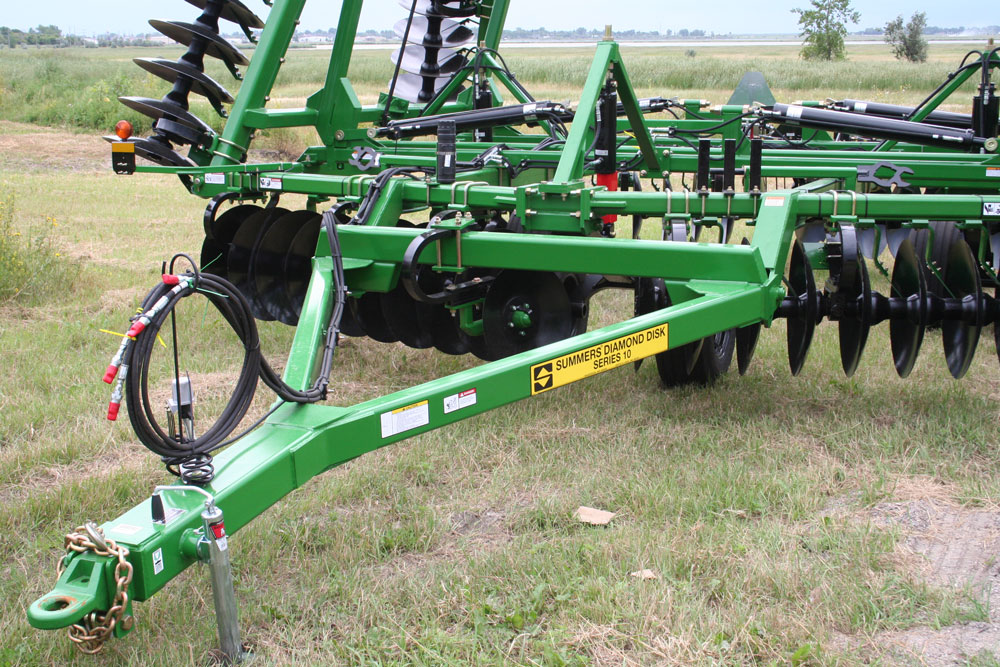
That mutually respectful partnership was reignited on other projects over the next 10-plus years. The most successful became known as the diamond disk. The concept was that a unique diamond shape would better handle rocky soils damaging the disks. It worked. Summers Mfg. bought the rights to the product in 1984 and continues producing it today.
“Dad (Ardon) drew up his original plans for the diamond disk on several pieces of 8x10 graph paper that he taped together,” Peter recalls. “He built several prototypes at our farm and took them to Harley to talk about mass production. There was no trigonometry or anything, but everything was carefully written to scale. Dad and Harley didn’t have engineering degrees, but they respected each other’s engineering wisdom. That’s a big reason why they worked so well together.”
Harley and Ardon’s working relationship was effective for another reason. From his blacksmithing days, Harley understood what it took to provide farmers with reliable equipment that could withstand abuse. He also understood that he needed to allow a farmer to put his equipment to the test to validate its reliability. Ardon did a lot of that testing himself on his own farm. This is the origin of Summers Mfg.’s slogan, “Field Tested Tough.”
From One-Hit Wonder to Multi-Solution Provider
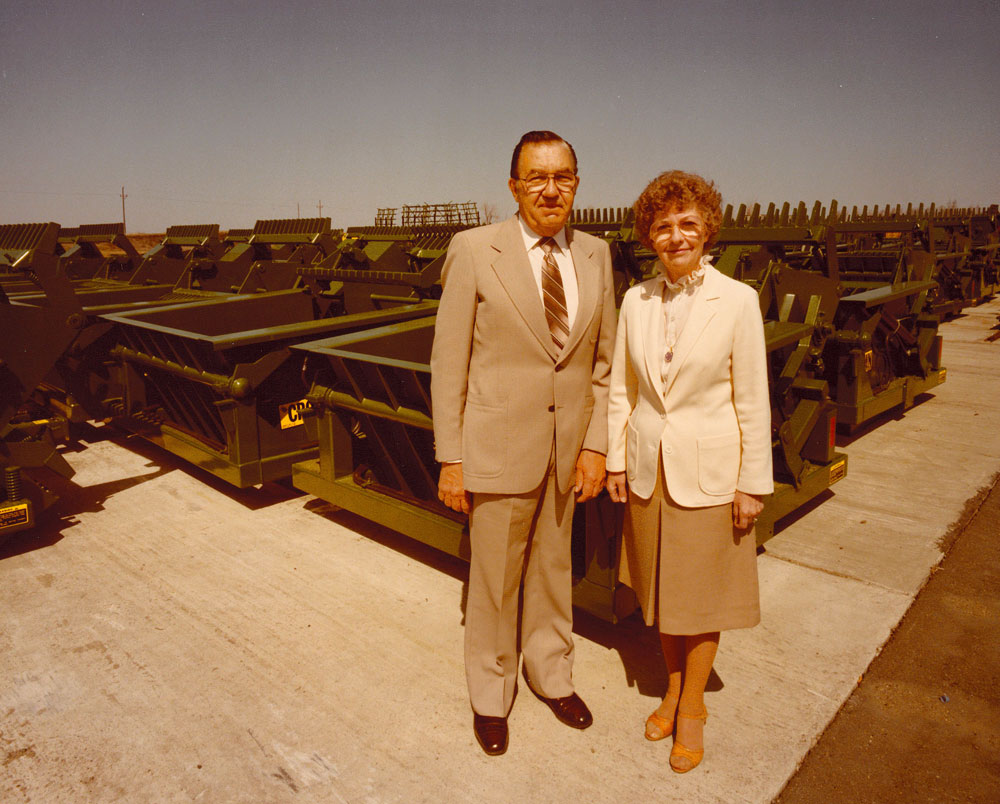
The Herman Harrow propelled Summers Mfg. into the farm equipment industry in the early 1970s. By 1977, the company began launching new products, starting with the Agri-Sprayer. In 1980, it got into the rock-picking business after acquiring Crown Rock Pickers. In 1982 Summers introduced the Super Weeder, and acquired Fargo Field Sprayers the following year.
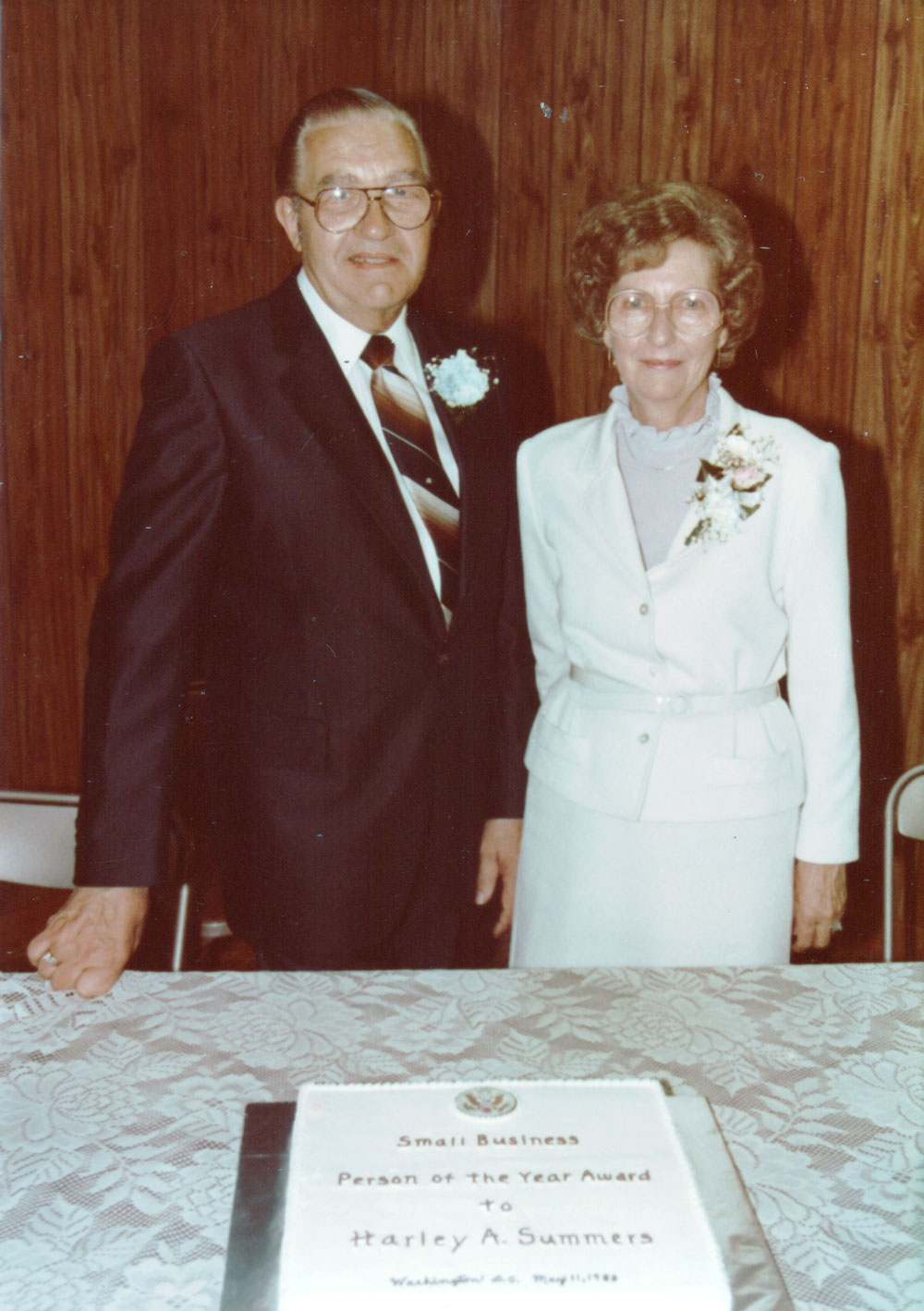
By now Summers Mfg. had become a household name in ag equipment, and Harley Summers had become a household name in the North Dakota business community. He was named SBA Small Businessperson of the Year in North Dakota in 1983.
That second project with Ardon Herman, the diamond disk, took place in 1984. Several more products were added over the next decade, including the Melroe Harrow, a hydraulic fold coil packer and harrow packer, and pickup-mounted sprayers.
Whether he was developing his own products, working in collaboration with an end-user like Ardon Herman, or acquiring an existing company and its products, Harley Summers was adamant that those products had to solve a farmer’s challenges in an innovative way — and live up to their expectations in terms of reliability. Larry recalls a funny but eye-opening story from the mid-1970s when Summers’ first engineer worked with Harley to develop the company’s first pull-behind sprayer.
Culture of Collaboration
Joe Sampson heard a lot about Harley Summers when he first started making sales calls to Summers Mfg. in 2006 as a rep for Osmundson Mfg. His trip to the Summers’ facility in Devils Lake, N.D., was one of Sampson’s first solo sales calls.
“There was an instant connection with the entire team,” recalls Sampson, who today runs Embo Sales Consulting. “That connection turned into an RFQ for their revolutionary diamond disk blades, followed by another trip up to Devils Lake with some samples. Before you know it, we’re building something together. It was my first big sale in the ag industry, so Summers has always held a special place in my heart.”
Something else struck a chord with Sampson.
“We talked a lot about the legend of Harley Summers and his approach to business,” Sampson says. “When I was with Osmundson, Deb Anderson was taking over for her dad as president. With some multi-generational companies, the person with the name on the side of the building assumes everyone should follow them. But it should be the exact opposite approach, where leaders listen to their employees and set out to do things together. That’s what I saw at Summers Mfg. Stories like Harley Summers working with Ardon Herman age very well. Summers Mfg. was the most collaborative place on planet earth, and I saw that the instant I walked in the doors the first time.”
“They hooked that first prototype up to a drawbar out in the parking lot,” Larry recalls. “My dad looked at it a while and said, ‘This is really great, but I don’t think it’s going to hold up.’ But the engineer said he ran all the numbers and it was right on. My dad said we had to test it. After running it back and forth in the parking lot, the whole thing collapsed. My dad figured that out just by looking at it.
“As soon as our engineers came up with a new product, Dad wanted that product tested by an actual farmer for a whole year,” Larry adds.
Harley retired in 1993 and handed the company reins over to Larry. Larry ran the company until 2007 when he retired and handed things over to Deb, who ran the company until 2017. Through the entire 24 years his children ran the company, Harley’s legacy of innovating and solving farmer challenges served as the nucleus. In fact, “Field Tested Tough” was much more than just a slogan; it was a guiding principle in the business.
“When I first became involved with Summers Mfg. in 2012, I heard a lot about how Harley started this company,” says Ryan Gruhn, who’s been serving as president since 2017 after a 5-year stint on the board of directors. “I quickly saw the hard work everyone put in, along with their commitment to the equipment they were building. So even 12 years after his passing, Harley’s influence on the company was still very evident when I first came here.”
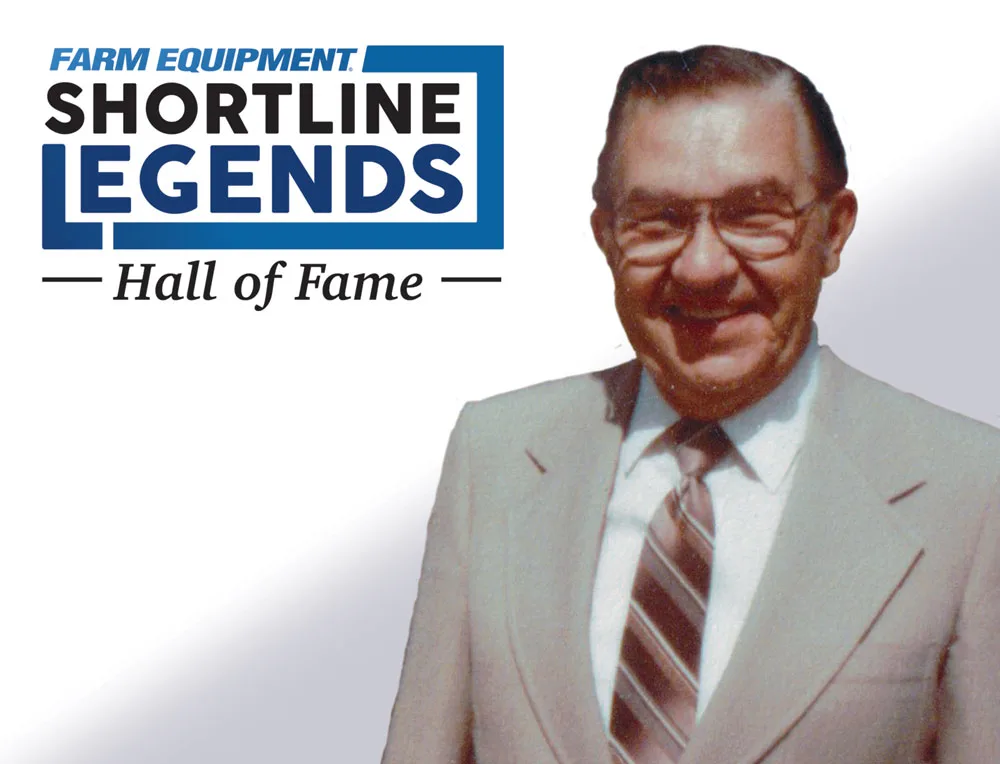
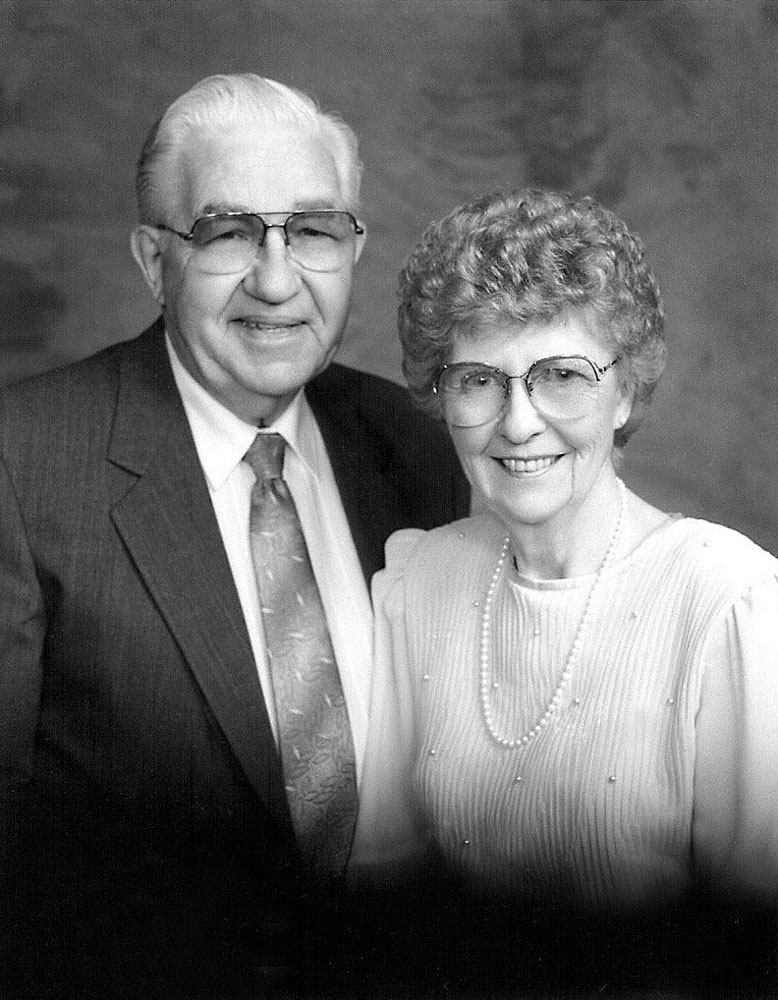
Harley Summers, Shortline Legends Hall of Fame 2026

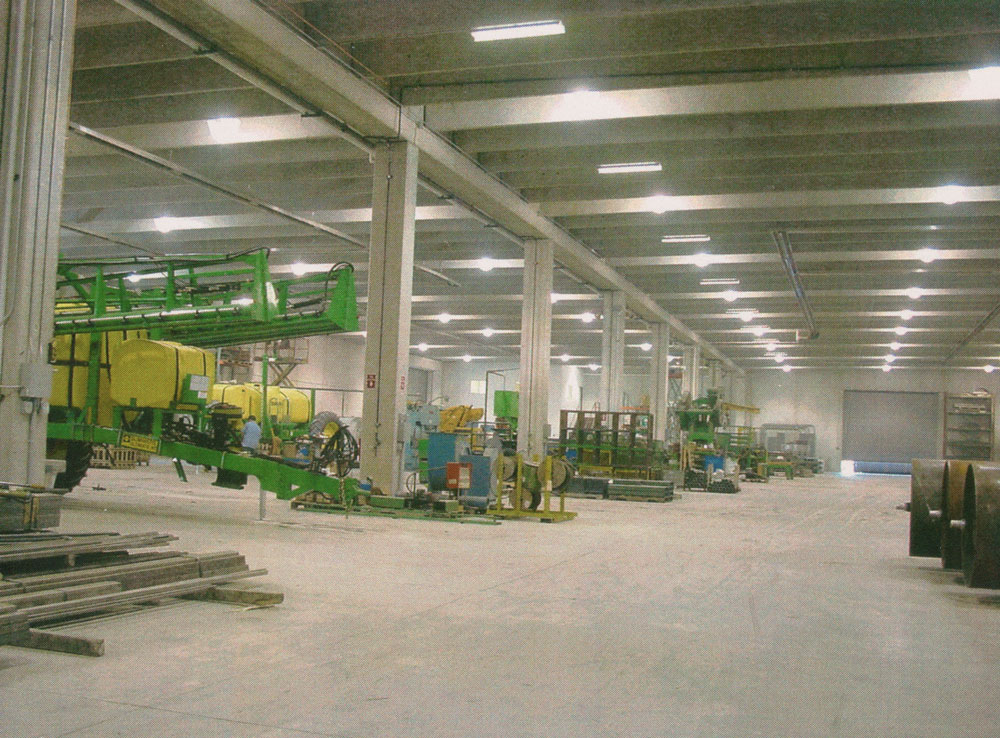
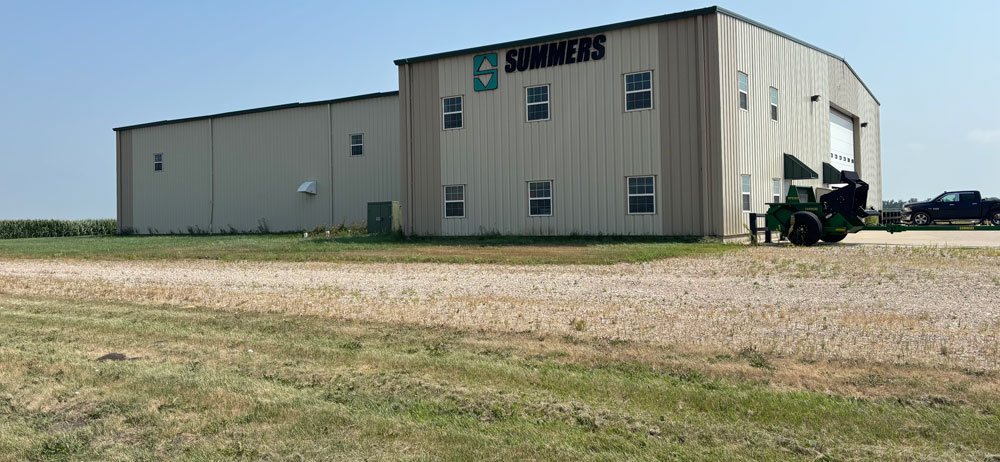
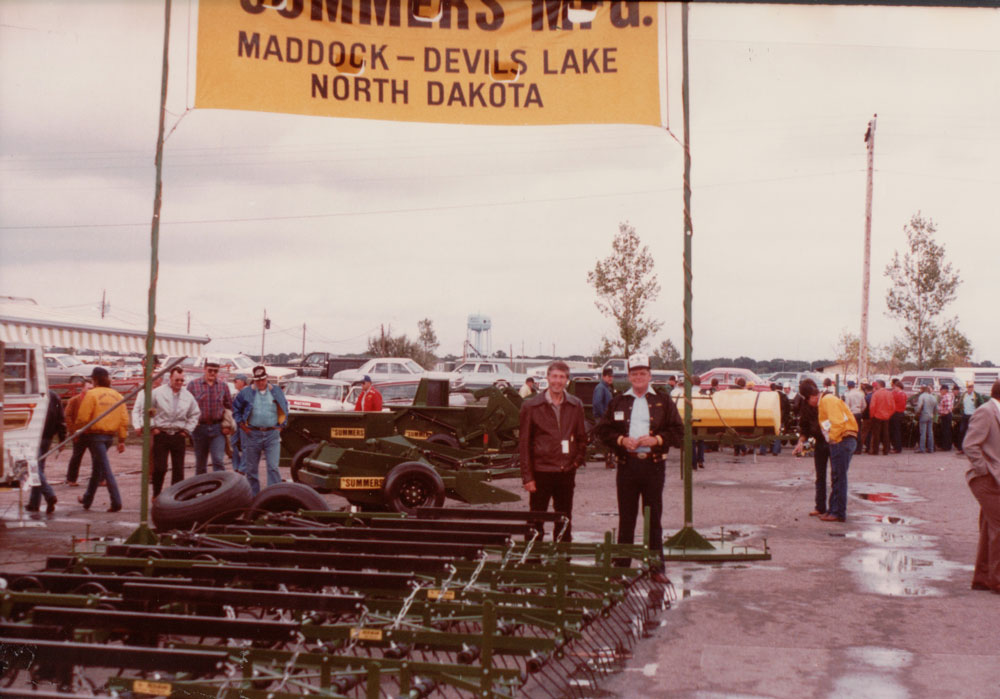
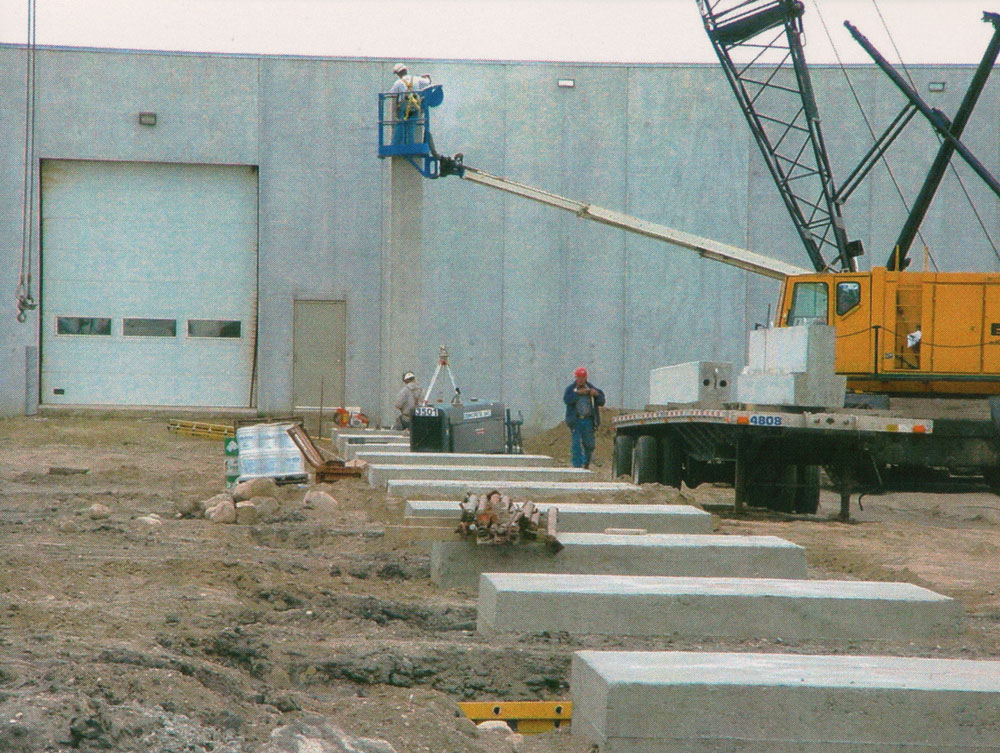
One of Summers Mfg.’s first dealers, a South Dakota dealer who asked to remain unnamed for privacy reasons, says durability was never in doubt when a piece of equipment came out of Harley’s company.
“That’s why I’ve stayed with them all these years,” the dealer says. “Nobody has produced quality equipment like Summers has.”
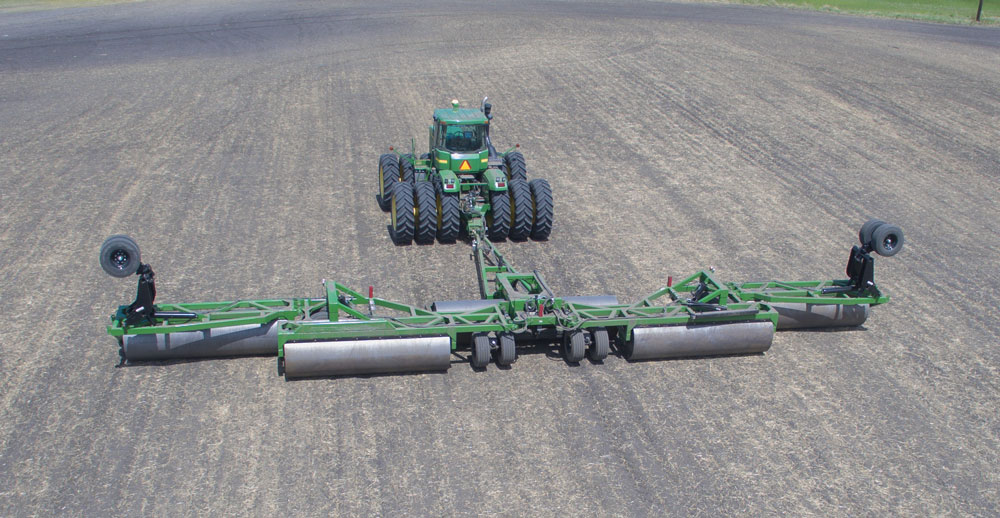
To that point, Summers Mfg. was one of the first companies to develop a vertical tillage unit. While the Summers Supercoulter was introduced after Harley’s retirement, Harley’s philosophy of listening to farmers created the environment that led to this innovation.
“Those original Supercoulters last forever too,” the dealer says. “Some of the biggest farmers around me are still running their original units they bought 25 years ago. They’re changing blades and bearings, but they keep on running them.”
Pillar of the Community
That same South Dakota dealer says the one thing that was even stronger than Summers equipment was the character of Harley and Carter, another of Harley’s children who also worked in the business for many years.
“At one point in our relationship, I was injured and didn’t have a lot of money,” the dealer says. “But I could always depend on them. That meant a lot to me at a very difficult time in my life. Everyone at Summers has always been honest and trustworthy, and they are an exceptionally good company to work with.”
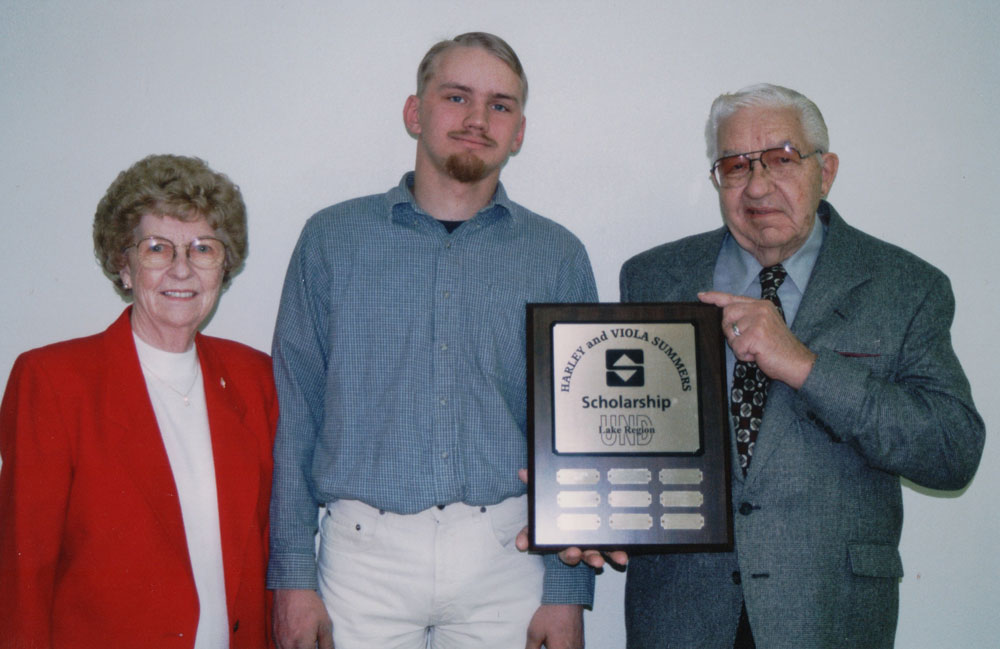
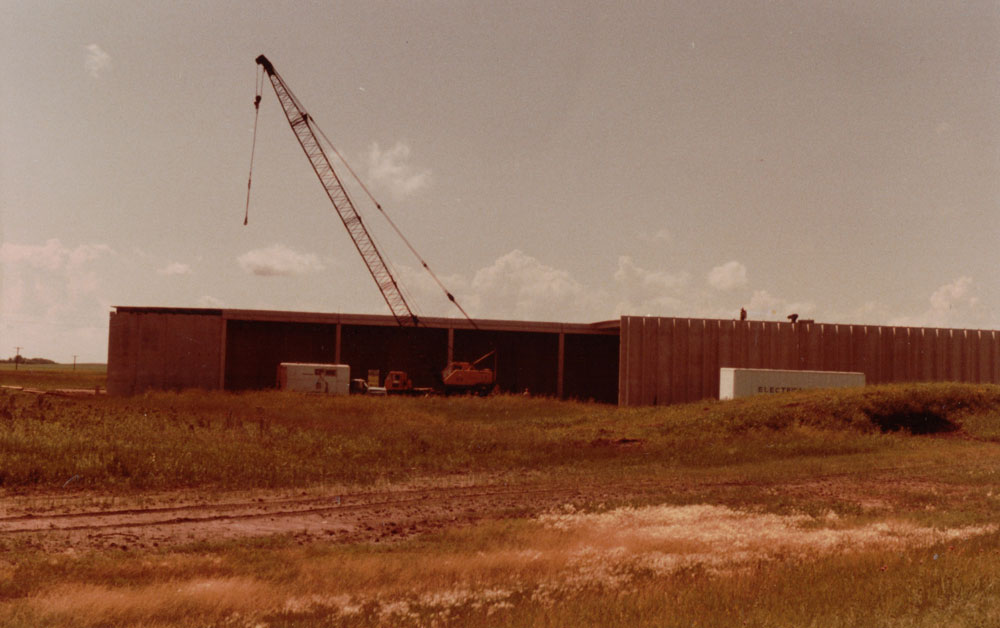
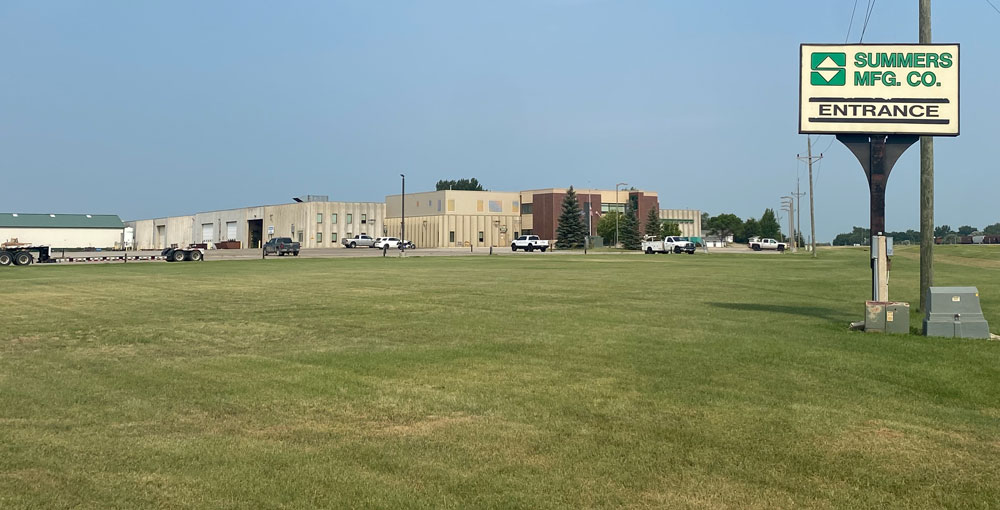
Harley Summers was a quiet man, according to his daughter, Deb. But he always had to stay busy, and his wheels were always turning. He also liked to stay active in the community. Harley helped build one of the first fire trucks for the City of Maddock. He was a sponsor of the Miss Rodeo North Dakota Competition, and also provided a Toolbox Scholarship to a student at Lake Region State College in Devils Lake where Summers Mfg. ultimately moved its headquarters to.
3rd Party Commentary on Harley Summers
Few stories in shortline agriculture capture the entrepreneurial spirit of the American heartland better than Harley Summers'. In 1965, Harley founded Summers Manufacturing out of his blacksmith shop in Maddock, ND, initially producing truck hoists after purchasing the patent rights for Goebel truck and pickup hoists. It was an unlikely beginning for what would become one of the most respected independent equipment manufacturers in North America — but Harley's instincts for identifying what farmers needed, and his willingness to build it himself, drove everything that followed.
Five years after founding the company, Harley collaborated with local farmer Ardon Herman to build a heavy-duty harrow, then purchased the rights to manufacture and market it. That partnership — a shortline manufacturer listening to a farmer and solving a real problem — became the template for how Summers Manufacturing would operate for decades. The Herman Harrow springboarded the company and earned it a reputation for building "Field Tested Tough" agricultural equipment, a phrase that still defines the brand today.
What followed was a story of relentless growth driven by genuine innovation. Summers developed the industry's first true vertical tillage tool — the Supercoulter — after identifying a new need among farmers. Since then, practically every other manufacturer has emulated this concept, and vertical tillage has become a common term among most farmers. That's the mark of a true industry pioneer: your idea becomes the standard. Agriculture XPRT
Under Harley's leadership, the company expanded from a single small shop to multi-facility operations across North Dakota and South Dakota. Harley was recognized as North Dakota's Small Business Person of the Year by the SBA in 1983 — a testament not just to Summers Manufacturing's commercial success, but to the model of rural entrepreneurship he embodied.
Perhaps most telling is what Harley chose not to do. The Summers family rejected private purchase offers in order to ensure the business would continue to operate in Devils Lake and Maddock, instead choosing to sell the company to employees through an ESOP in 2007. That decision speaks to a founder who understood that a company is more than its products — it's the community and people around it.
"It has truly been a remarkable journey, one I know my father was honored to have started," said Debra Anderson, Summers Manufacturing president and Harley's daughter. Farm Equipment
Harley Summers built something from nothing in the rural Northern Plains, created an industry category, inspired generations of imitators, and left his company in better hands than he found it. He exemplifies exactly what the Shortline Legends Hall of Fame exists to celebrate.
— Matthew Volkmar, Summers Mfg.
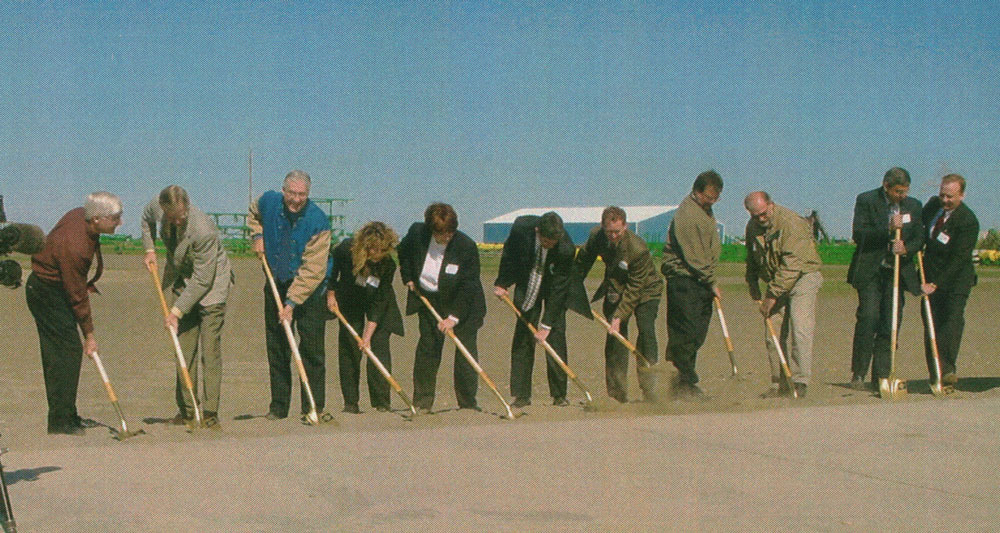
Speaking of Devils Lake, Harley and Reg Herman attended the same church there. Herman knew about Harley’s history with his uncle Ardon, and had always heard about Harley’s generosity, ingenuity and attention to detail. Herman also knew Harley had plenty of experience building parking lots. So when the church needed a new one, he reached out to Harley.
“In a good way, Harley was a bit stubborn, as most smart and successful men are,” Reg says. “So when a church board member got a little ‘overly involved’ and started telling Harley how to do the parking lot, Harley got frustrated and was about to back out. I went to the board and said, ‘Look guys, you don’t have to tell a guy like Harley how to do a job. Harley will do it right.’ They got the point, so I went and apologized to Harley and the project was back on.”
Deb says Harley was always a pillar of the community. He and a few other locals started a popular bowling alley in town. Harley was in charge of keeping the lanes in pristine shape, as only Harley could do.
“I remember how Dad had this operation set up in our basement when I was a little girl,” Deb recalls. “That’s where he cleaned all of the pins and applied some kind of lacquer to them. For some reason, I always enjoyed watching him do that. He was always looking to achieve perfection.”
Harley later led the development of an apartment building in town, and was involved in the construction of a new school. He also ended up serving on the Maddock City Council for 8 years.
Marianne Sears is Summers Mfg.’s vice president of finance. She joined the company in 2009, 9 years after Harley’s passing. But she’d already been living in Maddock for roughly 10 years. She’d heard a lot about Harley because the company he founded was such a big part of the community.
“That was a big reason why I ultimately decided to apply for a job at Summers Mfg.,” Sears says. “I’d learned that Harley and Summers were always big supporters of the community. In turn, the community supported them. Building a company and creating so many jobs in a small town is a big deal. I thought it would be great to be part of a company like that. I was right.”
Even though Sears never had the opportunity to work for Harley or even get to know him, she says his legacy inspires her every day she comes to work.
Hall of Fame Digital Extras
“When you think about how Harley started all of this from nothing, it can’t help but motivate you to work hard and help keep the legacy alive,” Sears says.
“Hard work” is something that has definitely been woven into the fabric at Summers Mfg.
“I was fortunate to be part of Summers Mfg. as it grew under Harley’s leadership and vision,” says Pete Almen, who retired in 2015 but was one of the first engineers hired fresh out of North Dakota State Univ. in 1982. “Harley had integrity and worked hard, and he expected the same from those around him.”
Val Karlsbratten is another recently retired 30-year employee. She was always impressed with the work ethic and dedication Harley’s children exhibited — traits they clearly inherited from their father.
Now the third generation is actively involved in the business. Tom Anderson is Deb’s 36-year-old son. Today he is the parts lead, though he started out in the paint department in 2012 when his mom was serving as president.
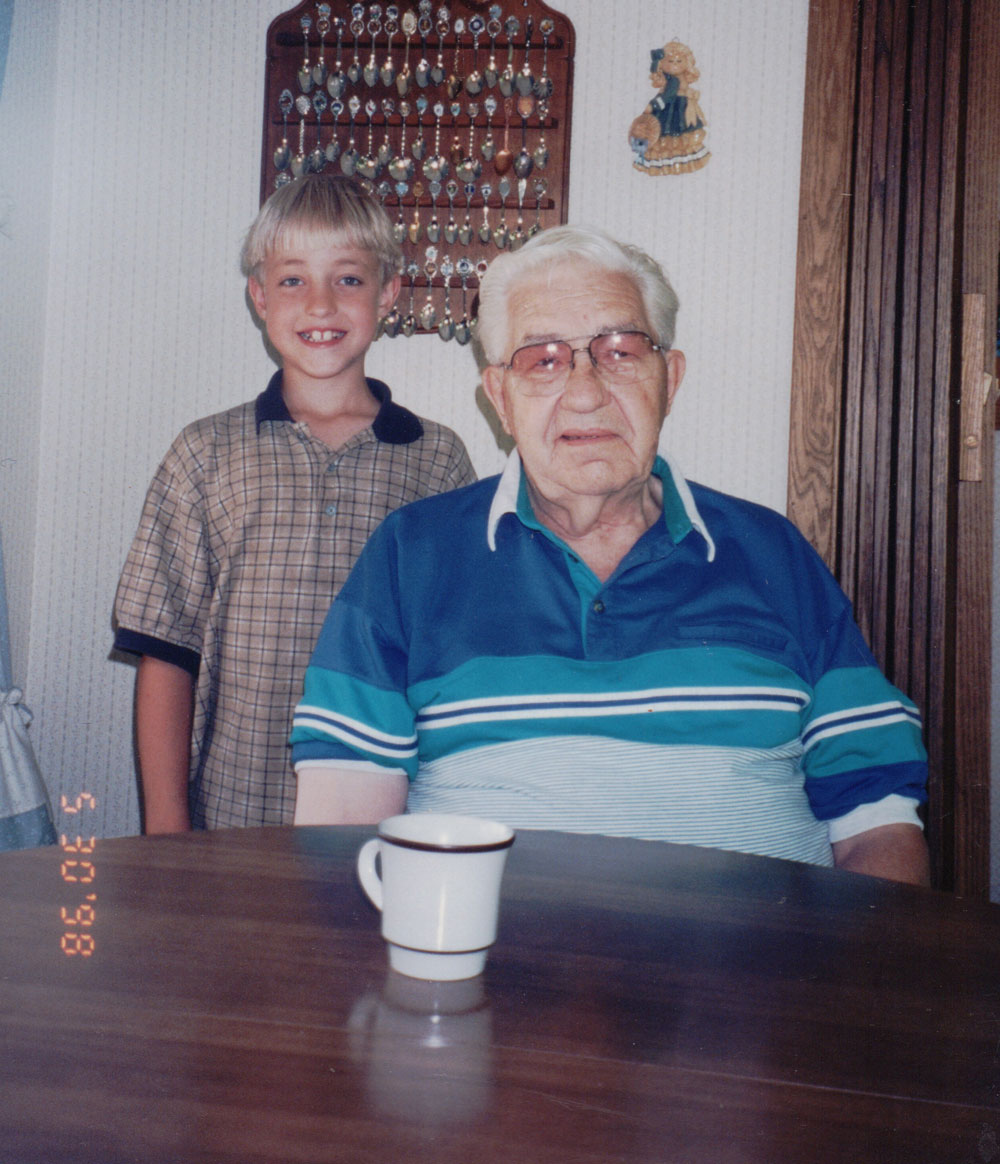
While he was too young to remember much about Harley Summers the businessman, Tom remembers hanging out in his grandpa’s woodworking shop where Harley spent a lot of time building clocks in his retirement. Harley was in constant pursuit of perfection with that endeavor too, just as he was as a blacksmith and, ultimately, a legendary shortline ag equipment manufacturer.