
Takeaways
- Reflections following a knee replacement surgery reinforce how early sub-goals are essential for reaching larger milestones.
- A tour of Thomas Edison's restored Menlo Park Lab highlights the importance of collaborative teamwork and bold, progressive goal-setting in driving results.
- Setting concrete performance targets prevents stagnation and fosters a culture capable of achieving great things, even when the goals are not fully met.
The days after a knee replacement surgery last week, I’ve learned, creates a fair amount of reflection and contemplation — at least during the brief periods of painkiller-free coherent thought.
For now, little things like simple exercises (ankle pumps, quad sets, straight leg raises, etc.), standing up, getting to the bathroom without help and stretching out to lace up the immobilization brace are important near-term goals enroute to bigger things.
A dozen surgeries have taught me how important the early goals (sub-goals, if you will) are to getting back to where one needs to be. And to focus on the right things before distractions set in.
What Thomas Edison Teaches Us
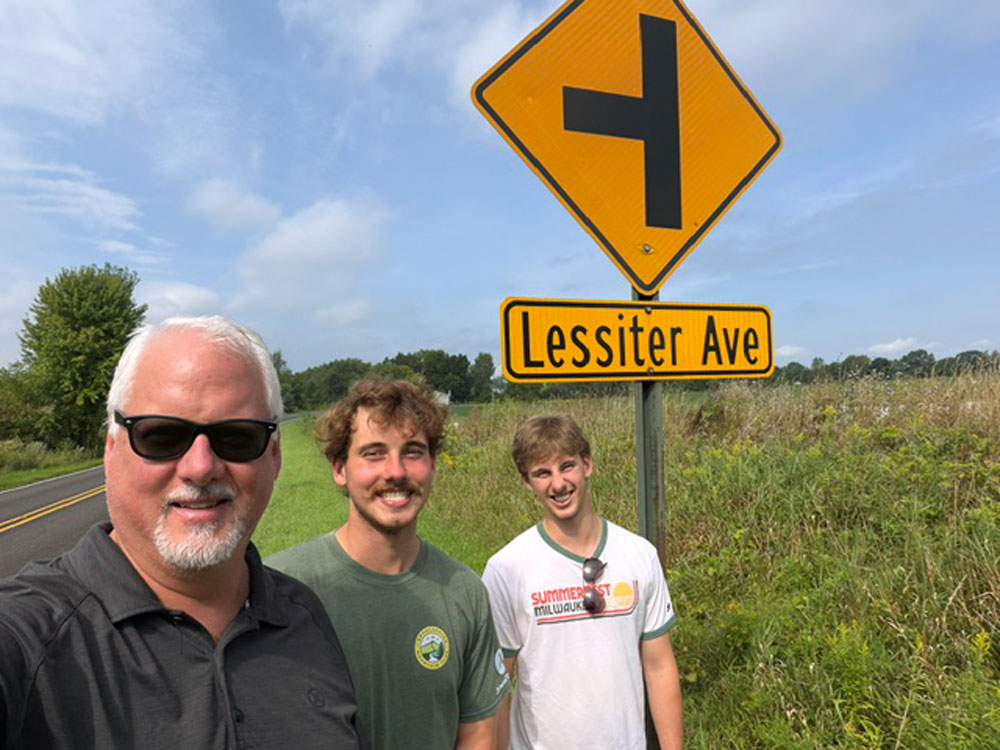
With my two younger sons’ returns to college and my upcoming time on the injured reserve list, I snuck in a trip to Michigan for some family time, some farm therapy and to pursue my youngest son’s interest in the Lessiter family history, which dates back to the 1840s. We returned via the Lake Michigan ferry on Tuesday night for a day in the office before the surgery on Thursday.
Our itinerary included a full day in Dearborn, Mich. First, we walked the open-air museum Greenfield Village, showing early American history through over 80 relocated buildings, working farms and homes. And then crammed as much as we could into the Henry Ford Museum (it boasts a world-class ag machinery exhibit, by the way).
“In 1876, Thomas Edison set a goal to have one major invention every 6 months and one minor invention every 10 days…”
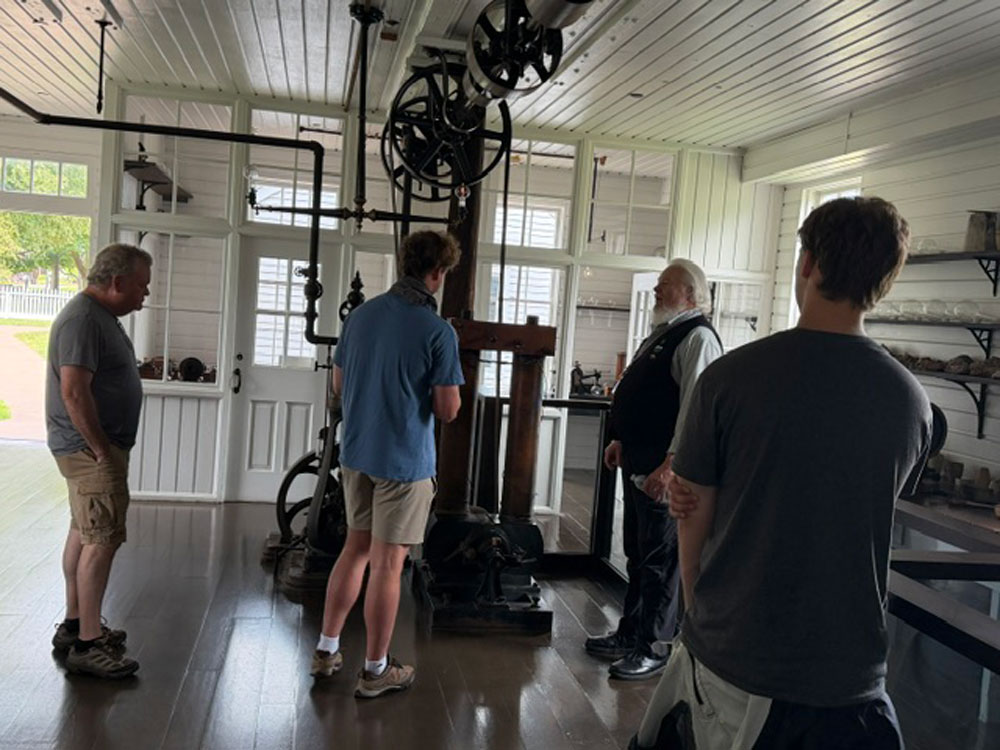
Among the stops in Greenfield Village was Thomas Edison’s Menlo Park (N.J.) Complex, which Ford recreated onsite in 1929.
The building is the birthplace of Thomas Edison's electric lighting system, the first phonograph and many other inventions. It was the nation’s first for-profit R&D center, said our tour guide.
It had been 25 years since my last visit to the village. What was clearer this time was the collaboration of Edison with his team. I admit I tend to think of the brilliant inventors working mostly in isolation.
We learned, however, that Edison maintained that the finest creations came from working together. His “best of the best” team assembled in New Jersey brought trade skills plus new scientific knowledge to the exciting challenges at his lab.
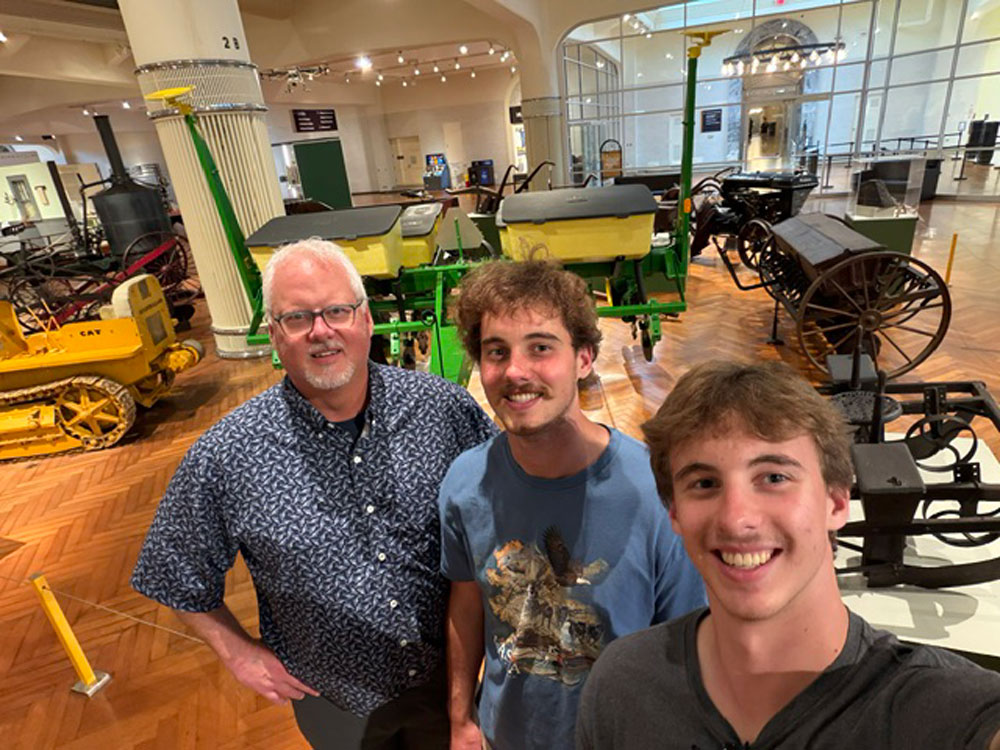
The Lessiter boys in the Ag Machinery Exhibit at the Henry Ford Museum, pictured with the John Deere 7000 no-till planter.
We also toured the boardinghouse operated by Sarah Jordan, a relative of Edison’s wife who he recruited in 1878 to assist their efforts. She housed and fed 17 of Edison’s lab employees from 1878-81 in the home near the lab, providing critical support to Edison’s mission.
The boardinghouse tour illustrated the engineers’ commitment, long hours and the privilege they felt in working for something special in an exciting and challenging environment.
Edison set specific goals for himself and his engineers in 1876. That is, they were expected to make one major invention every 6 months and one minor invention every 10 days.
That is what they call a numbers game.
“Winners learn to persevere and to compound and stack up small successes to have a chance at achieving the game-changing ones. It’s a learned behavior…”
Speed was expected. Proven, scientific results and quick action were intertwined; they were not mutually exclusive.
Business leaders understand the importance of progressive goals. No one gets to where you want to be without setting intermediate goals or rocks, as they are called in the Entrepreneurial Operating System (EOS) that we follow in our company here at Lessiter Media.
The key is to understand the spirit of the progressive goal. President Kennedy’s “big hairy audacious goal” (referred to as a “BHAG” in business books) of putting a man on the moon within 9 years of his inauguration is perhaps the most notable on-record declaration of a goal — with swift action — that no one knew was possible in that timeline. It had to have taken courage for JFK to state it, as memories of failures “at the top” are always crystal clear.
The Lessiter Men in Michigan


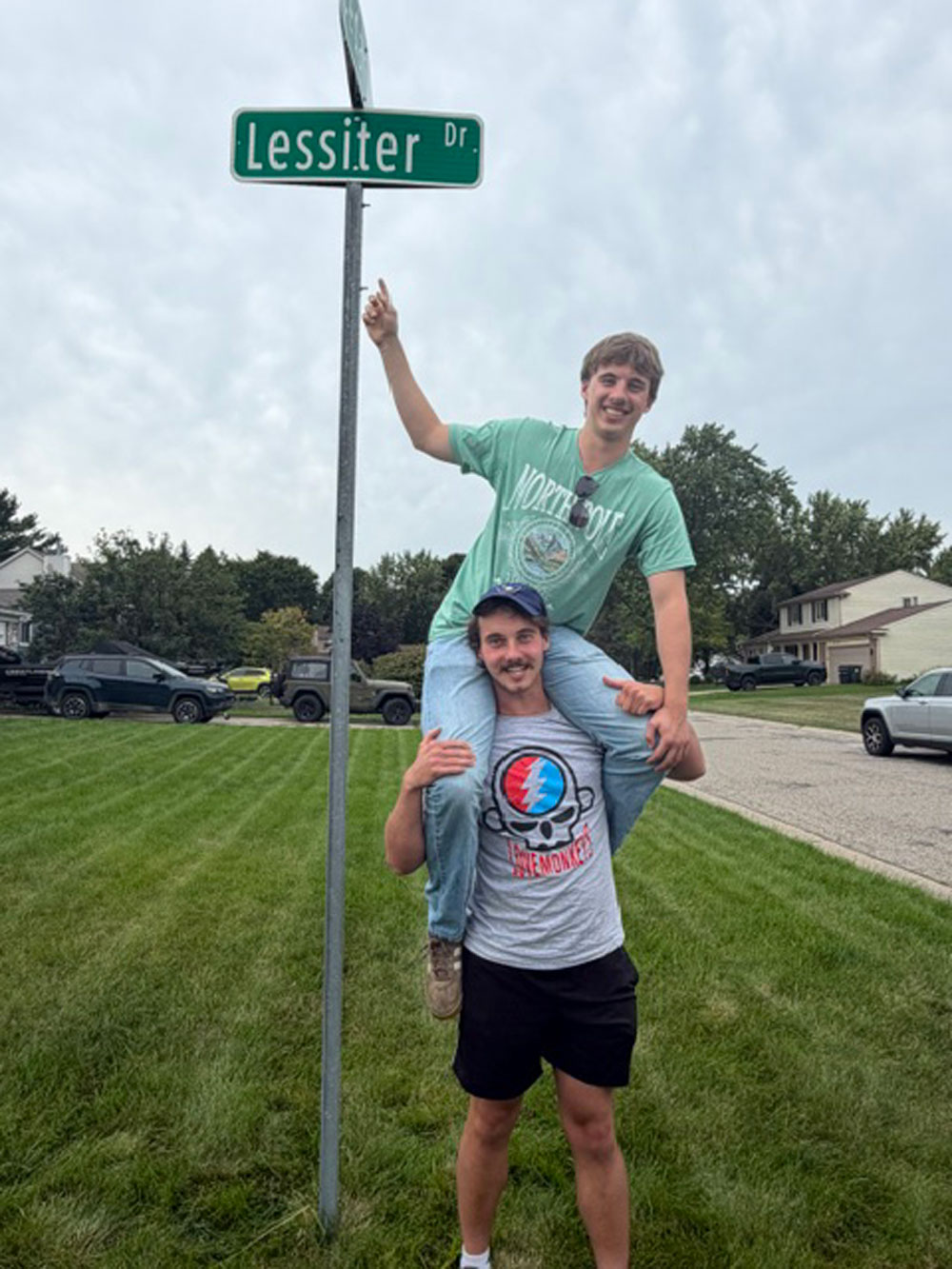
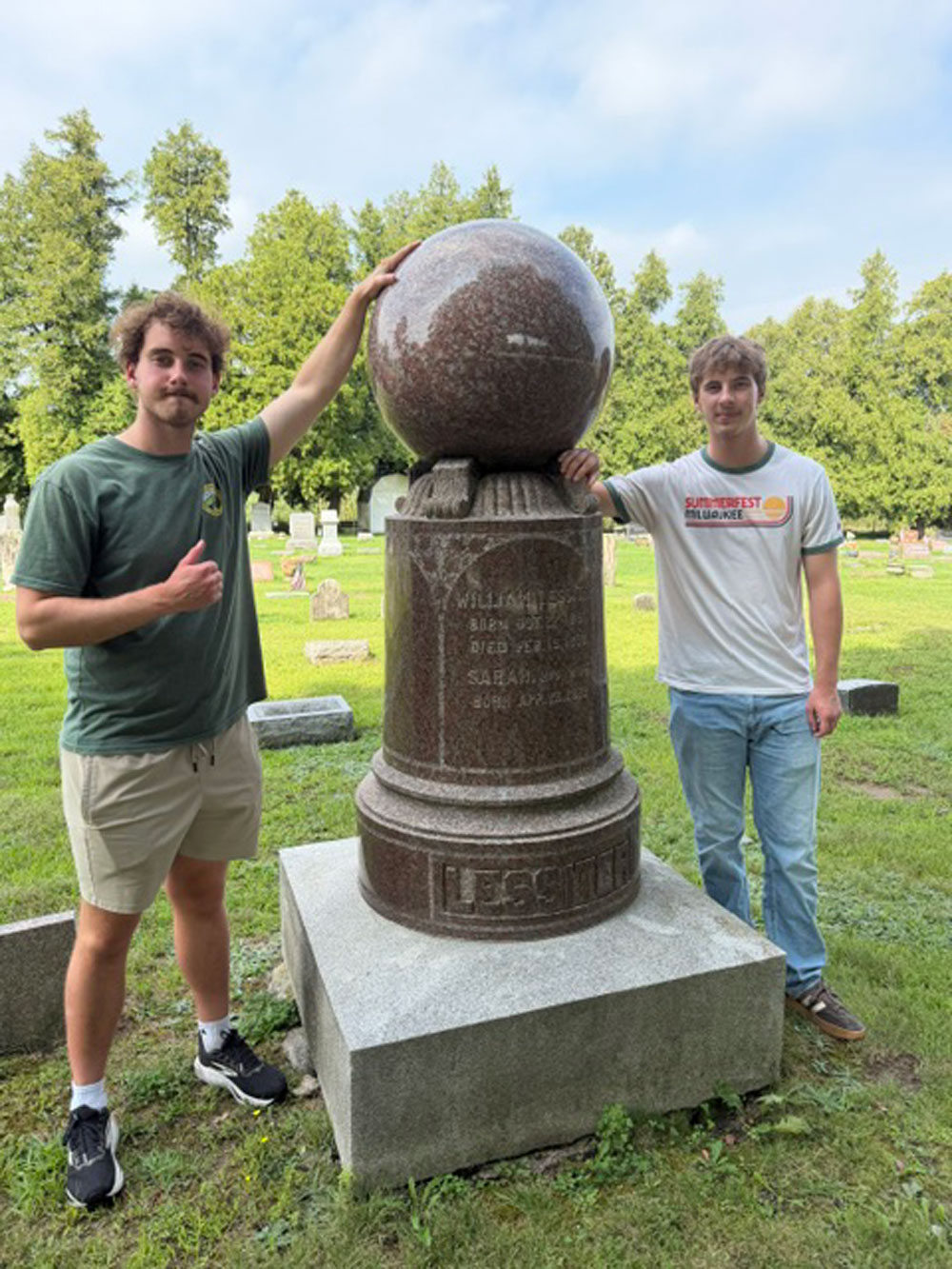

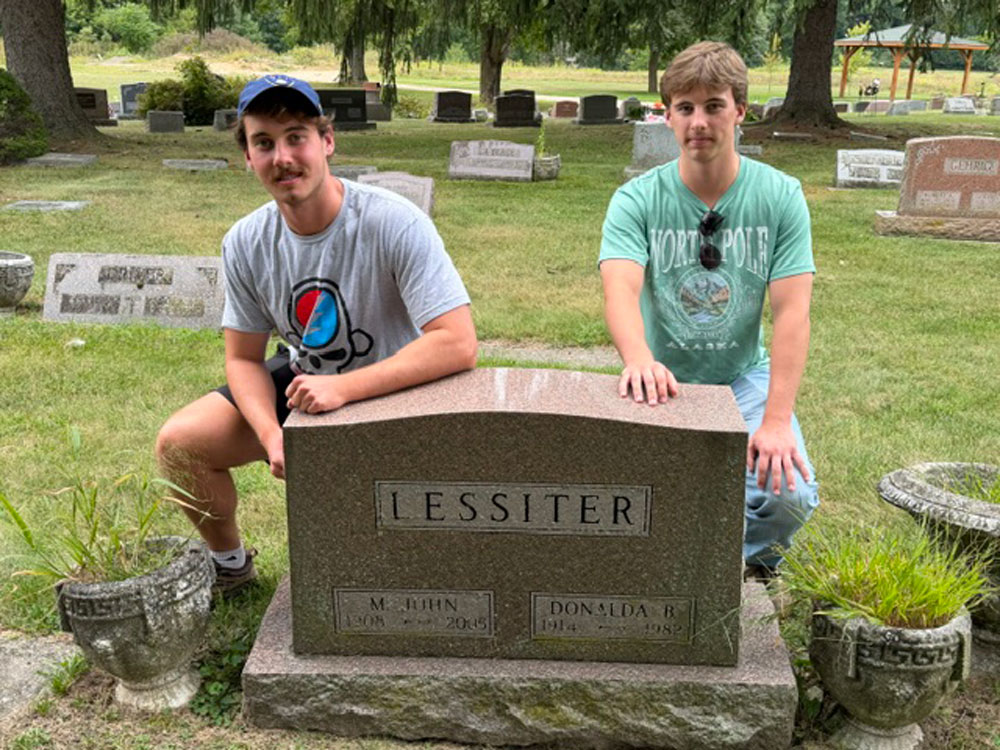
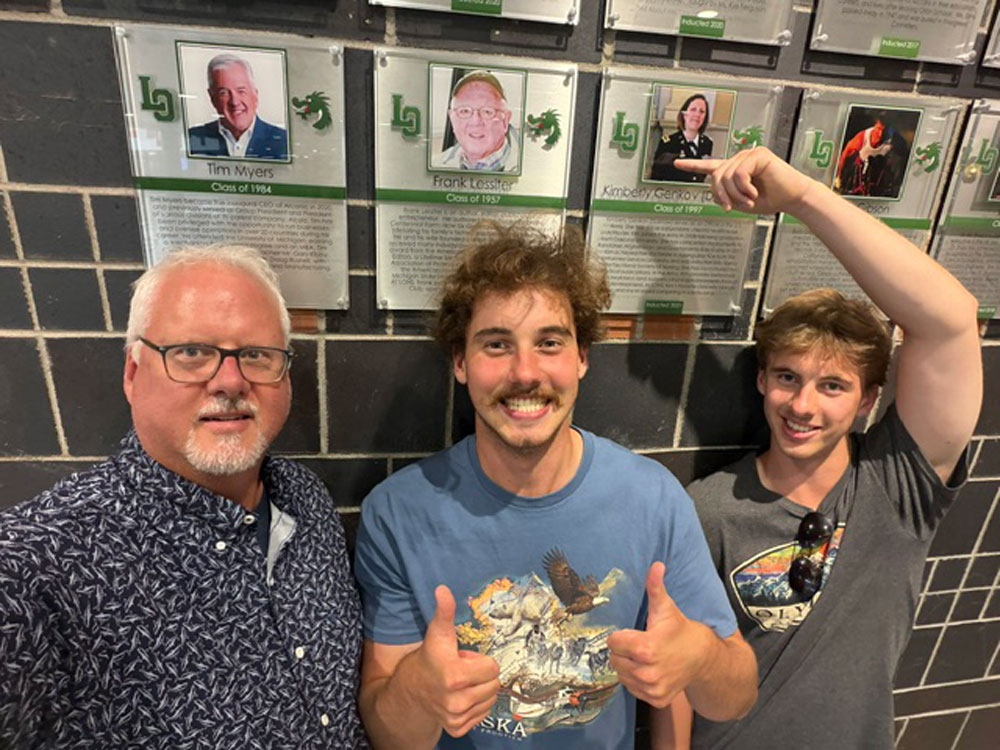

Not everyone likes accountability and discipline, nor is willing to stick their neck out to ensure the ship comes in no matter what. But how many organizations really achieve greatness without possessing these traits? They’re necessary elements of great organizations.
Winners learn to persevere and to compound and stack up small successes to have a chance at achieving the game-changing ones. It’s a learned behavior.
Back to Edison
What if the “Wizard of Menlo Park” didn’t proclaim those aggressive goals — that stretched the imagination (and the backs) of his team?
The absence of a concrete and measurable scorecard surely would’ve resulted in less urgency and a slower pace of innovation … Progress that ground to a halt due to perfectionism or methodical thinking without immediate action … Comfortable performances and research engineers who likely wouldn’t have worked all hours of the night, nor taken their boardinghouse meals in the wee hours to stay on pace.
So how did that clear goal directive work out for Edison and his crew? Our tour guide reported he came remarkably close and, in fact, filed 400 patents in 6 years.
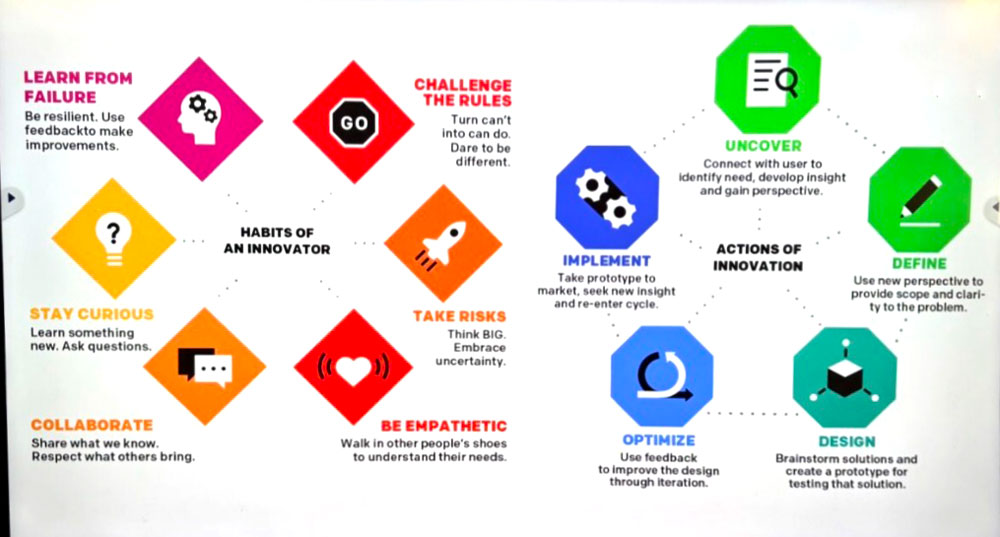
Model I: How to Think and Act Like an Innovator … From its artifacts and stories, The Henry Ford Museum developed Model i, a universal language for cross-disciplinary collaboration in work and learning.
When it comes to profitability, market share and personnel and organizational goals, wishing a result into existence is not a strategy. Successful leadership teams see that meaningful goals get established, are actively worked and then are met or modified.
My contemplation on our business is that more balance is needed between bold goal setting and the percent of performance targets hit. A poor quarterly completion shouldn’t result in lowering our expectations or taking off the pressure.
If focused goals — created from an inventory of need, opportunity and vision — get done right, you establish a process and culture capable of doing great things in the process.
When the execution follows that is.
But first things first …