Editor’s Note: The pages in this section reflect the 75th anniversary milestone of the Farm Equipment Manufacturers Assn. (FEMA). A few select chapters are excerpted from the 2025 release of A Small But Mighty Industry: A History of the Farm Equipment Manufacturers Association & Its Shortliners. The 148-page book was prepared and published by the editors of Farm Equipment & Ag Equipment Intelligence as permanent chronicling of the association for its members.
– Mike Lessiter, editor/publisher
Before 1950, the nearest thing to an organization of “allied” ag equipment manufacturers were those who voluntarily contributed to an annual host party for members of the Farm Equipment Wholesalers Association (FEWA) at its Fall meeting.
As a service to its members seeking additional lines, FEWA started inviting shortline manufacturers to its Fall meeting around 1946-47. It held a “Dating Party” where manufacturers could easily make a “date” to talk to interested wholesalers. The idea quickly caught on and many “allied” or shortline manufacturers attended the 1948 meeting in French Lick, Ind.
One of the challenges, however, was strong competition to entertain the wholesalers. Some large suppliers held elaborate parties with professional entertainers that made it difficult for the smaller companies to attract wholesalers’ attention.
Several shortliners discussed ways to maintain attention at a reasonable cost. The outcome was voluntary contributions to a host party to which all wholesalers were invited, and the contributing manufacturers served as hosts, at a pro-rated cost.
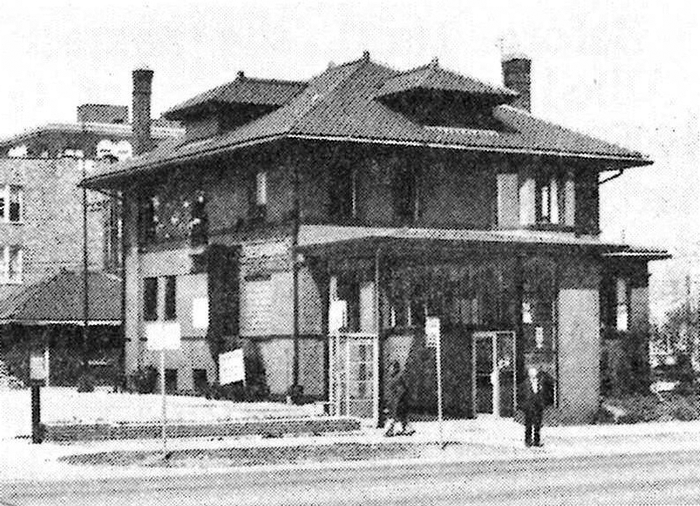
Breaking bread at Chicago's Joe Stein’s Steak House led to an association of "allied manufacturers." Source: Mid-West Forging & Mfg. Corp.
Wendell E. Butler, Galloway Co., Waterloo, Iowa, and Robert Louden, Louden Machinery Co., Fairfield, Iowa, were two who were keenly interested. Butler accepted the task of writing a letter of solicitation for funds for the 1949 Fall host party in Chicago, and Louden acted as treasurer. They sought to collect $10 from as many manufacturers as possible.
They collected only about half of the amount needed to finance the party, yet Butler, Louden: B.A. Fuller of Fuller Mfg. Co., Centerville, Iowa: and E.E. Boyer of Turner Mfg., Statesville, N.C., agreed to assume the full deficit, trying to recover the balance by personal contact.
“Every man owes a part of his time and talents to the upbuilding of the profession, or industry, to which he belongs…” –President Theodore Roosevelt
An informal meeting for allied manufacturers was held at Joe Stein’s Steak House across from Chicago’s Edgewater Beach Hotel. In addition to Louden, Fuller and Boyer, Butler recalled other attendees included: Jack Neubauer of Standard Steel Works, Kansas City, Mo.; James Ward, Mt. Vernon Implement Co., Stamford, Conn.; Larry Waller, Ezee Flow Corp., Chicago; Elmer Caum, Babcock Mfg., Leonardsville, N.Y.; W.E. “Tony” Munzell, Danuser Machine Co., Fulton, Mo.; C.E. Newkirk, Newkirk Mfg. Co., Anaheim, Calif.; Donald Markus, Hamill Mfg. Co., Washington, Mich.; Earl Martin, Jr., Helix Corp., Crown Point, Ind.; and Leonard Fleischer, Fleischer-Schmid Corp., Columbus, Neb.
They agreed they again sponsor the host party but double their “ask” for $20 per company, and that a meeting would be scheduled to discuss the notion of forming an association of manufacturers.
FEMA Presidents

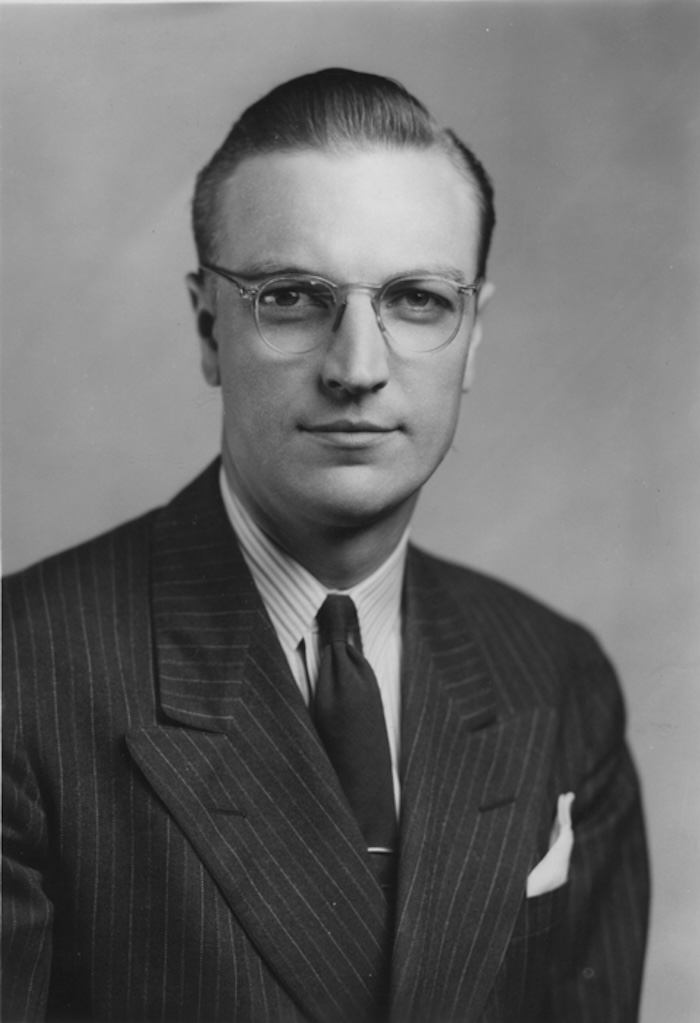
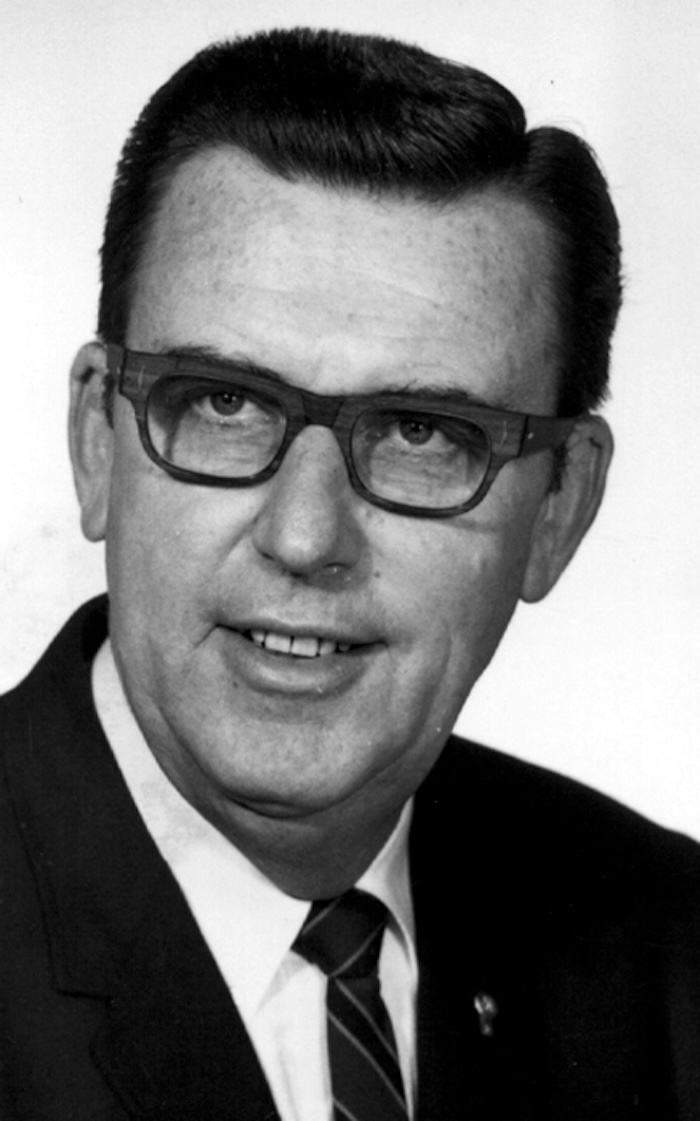
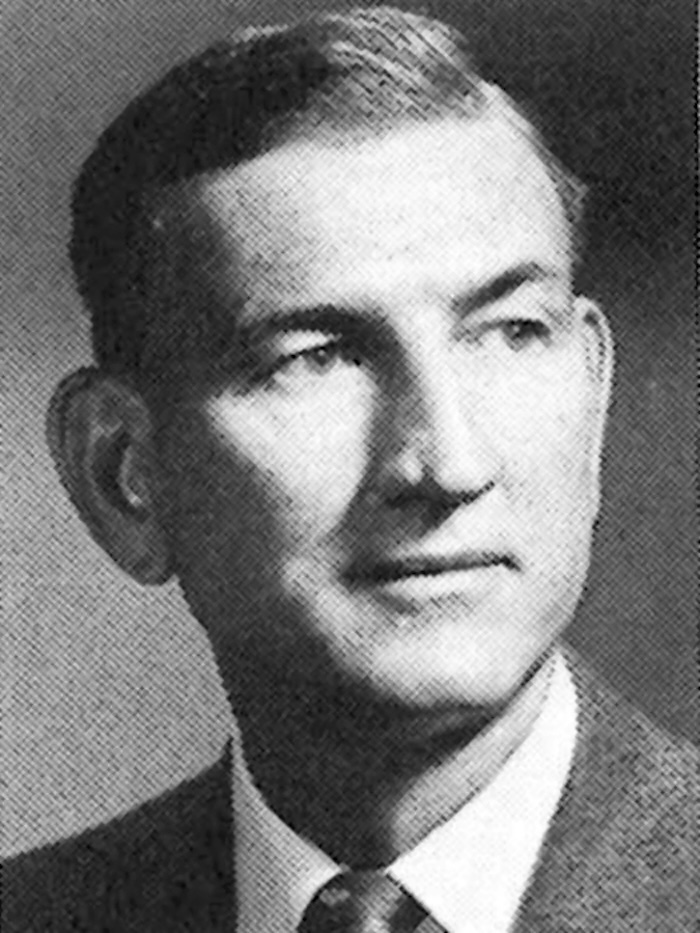
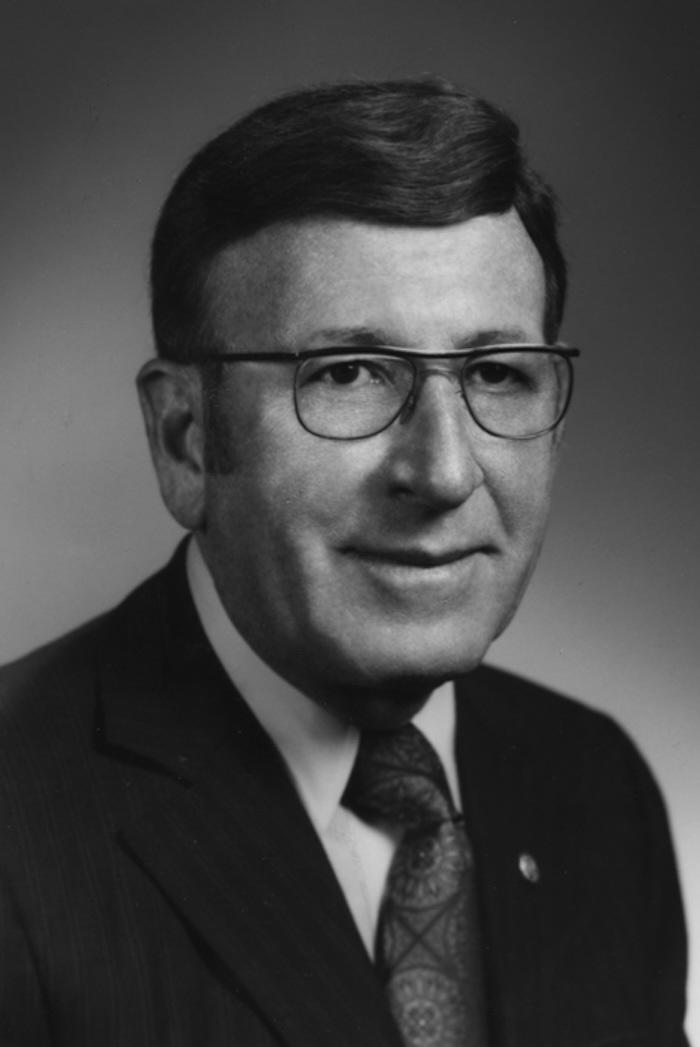
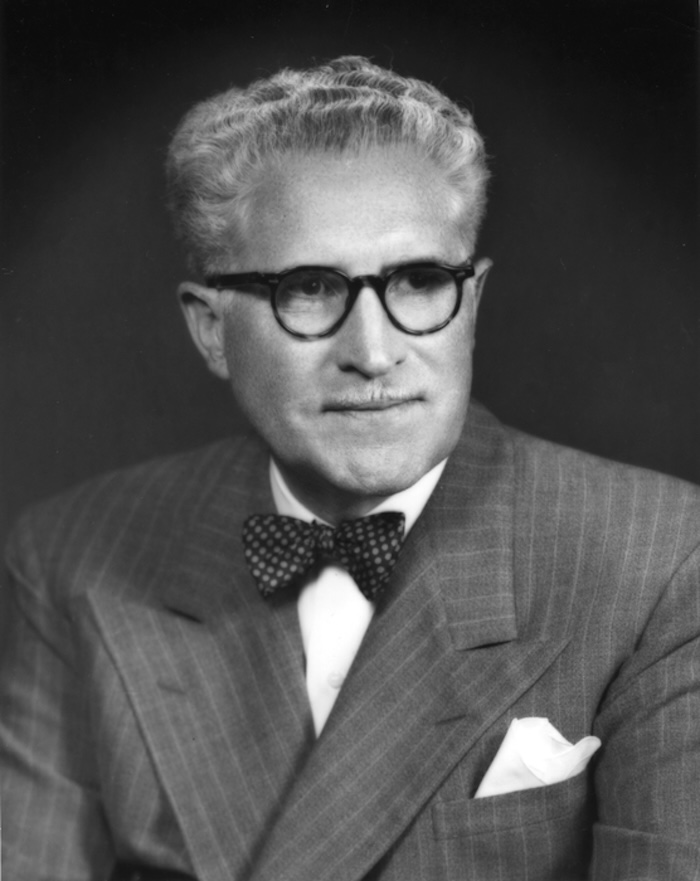
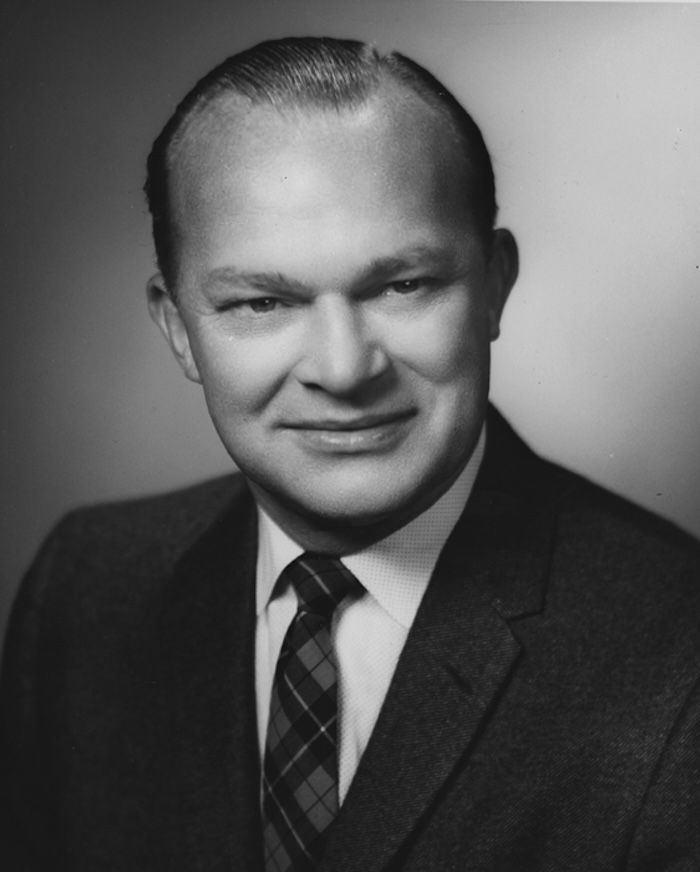
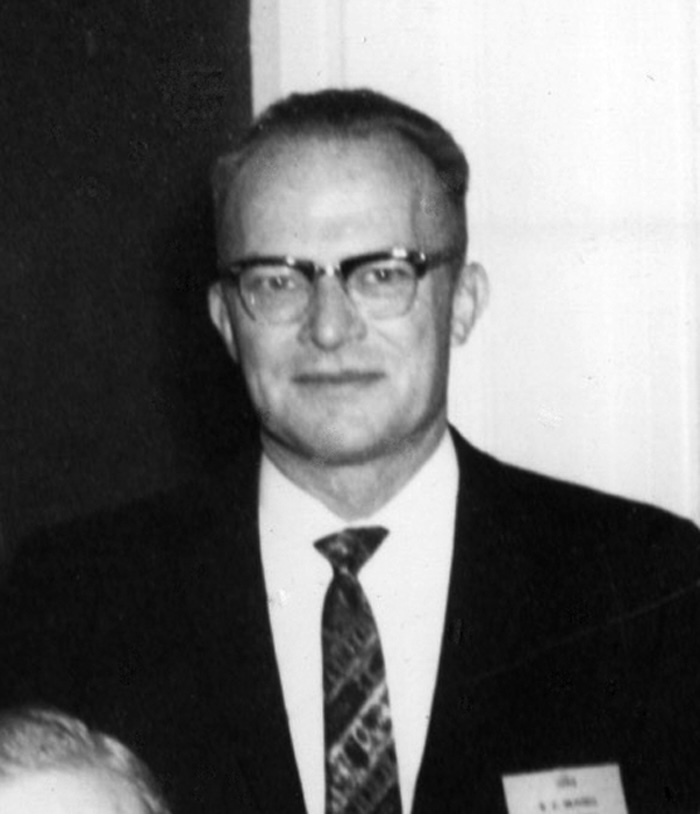
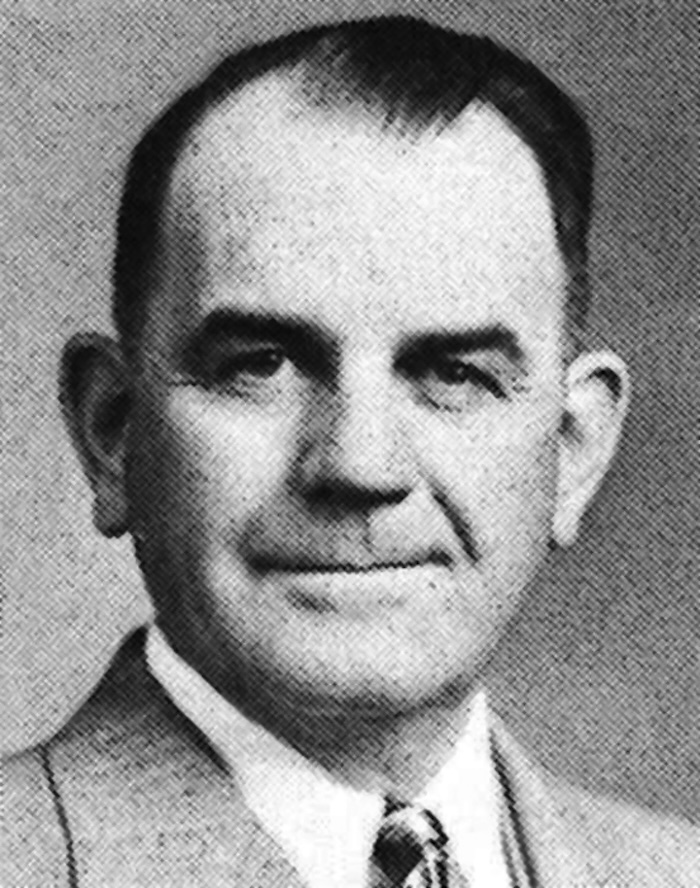
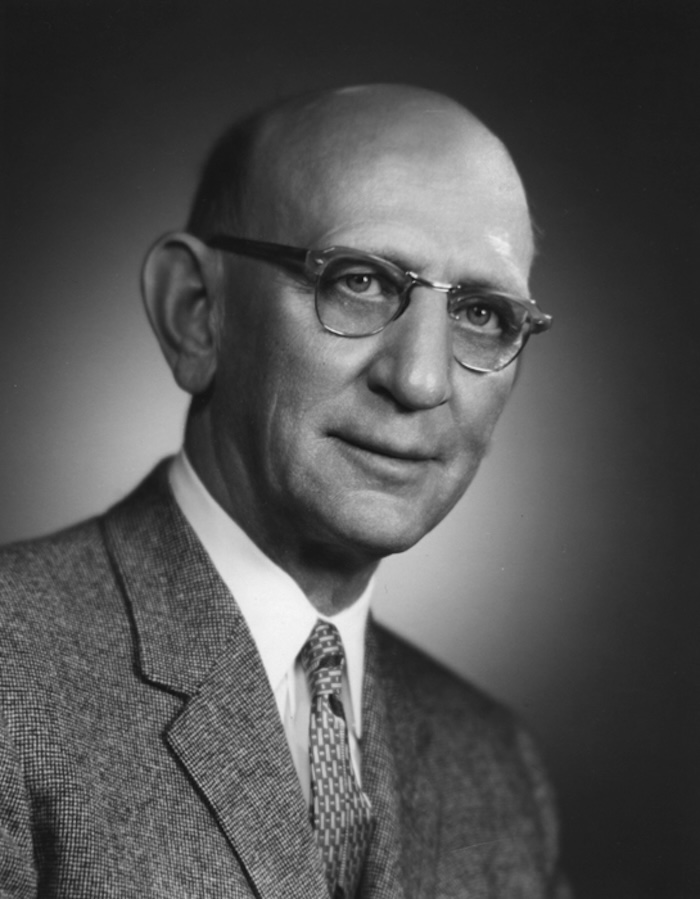
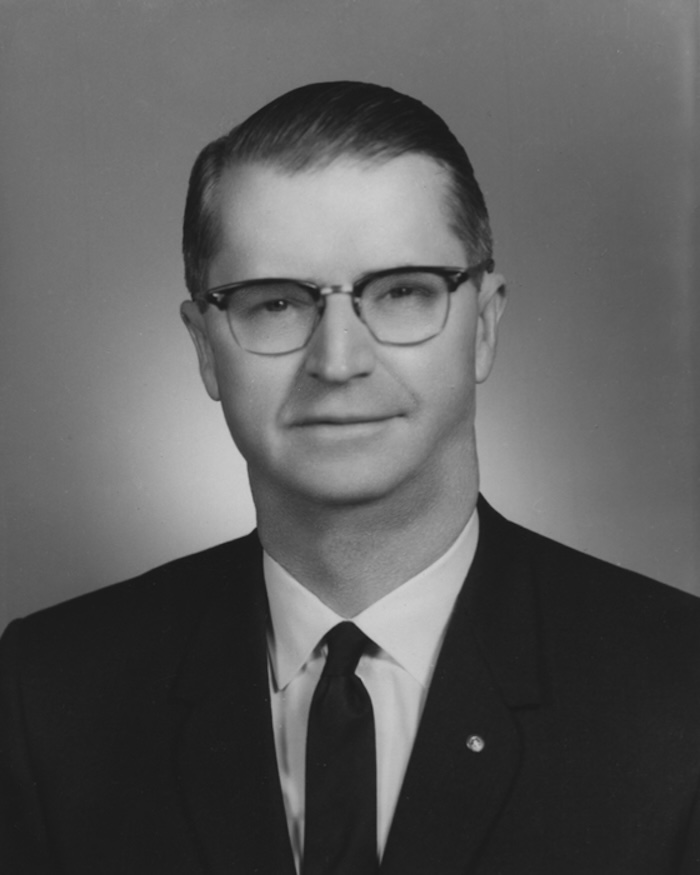
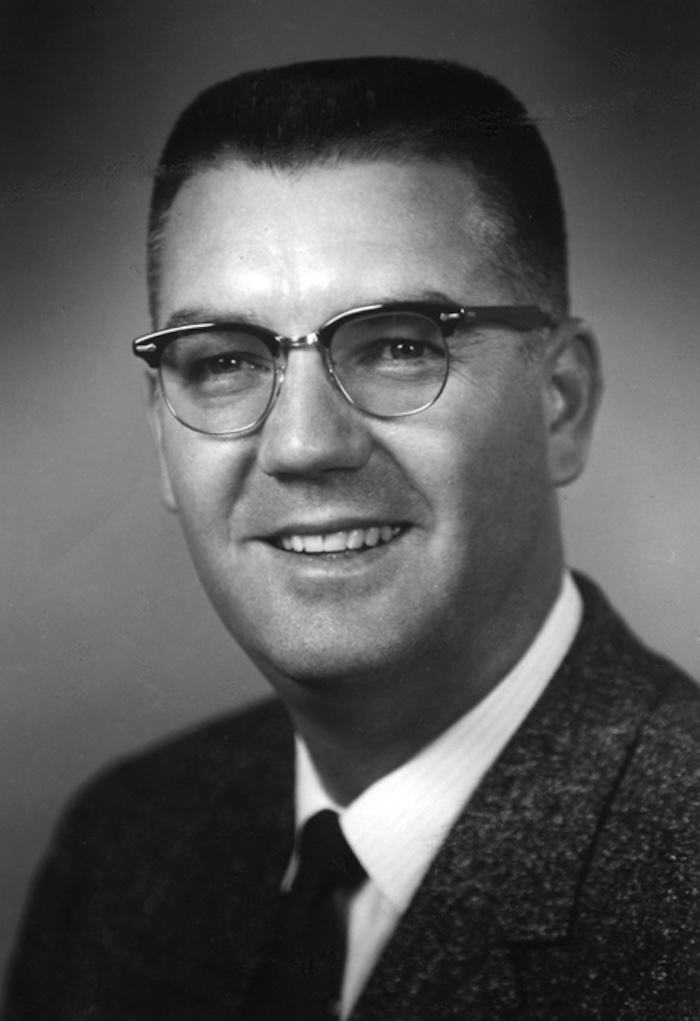
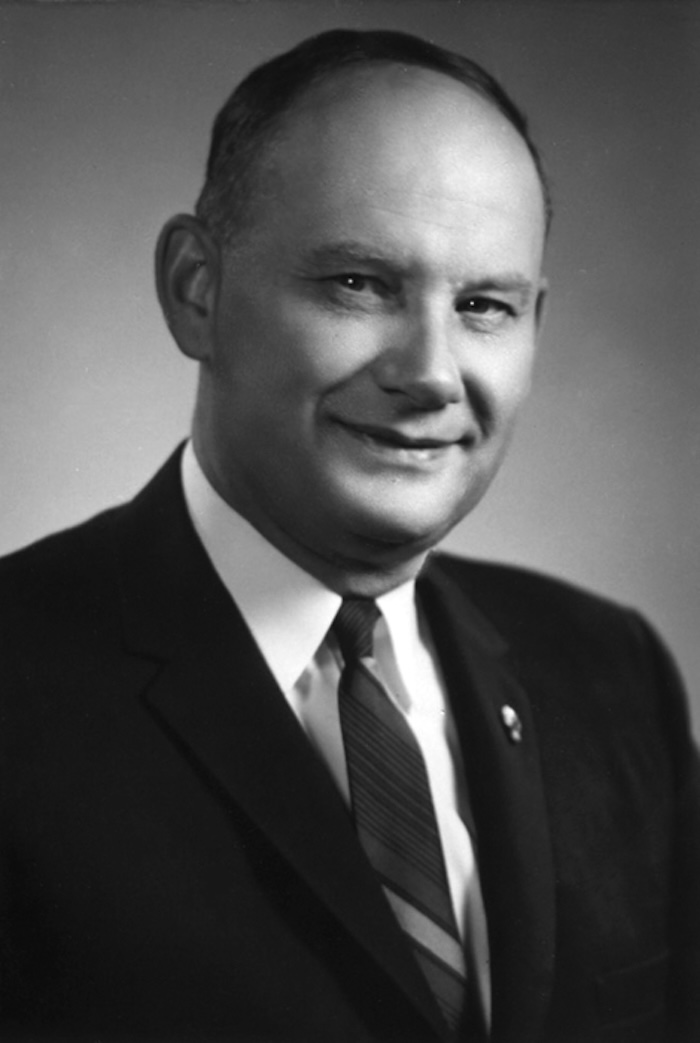
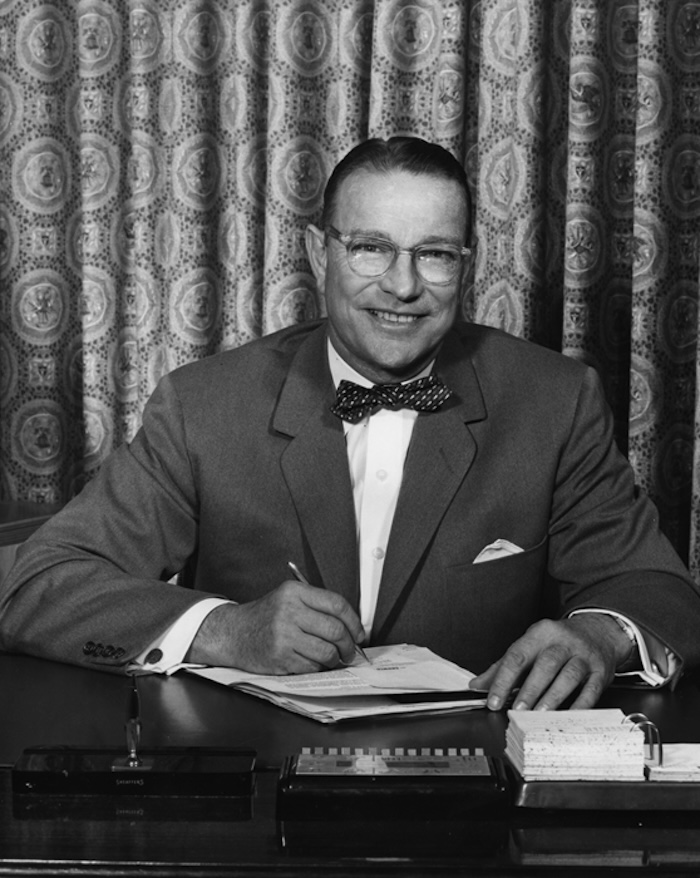
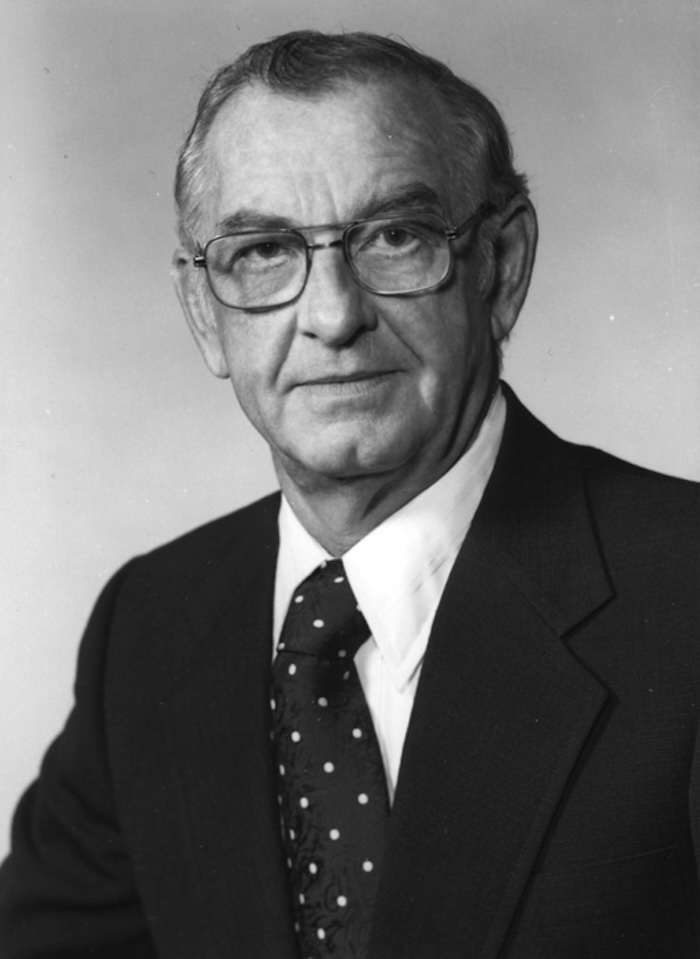

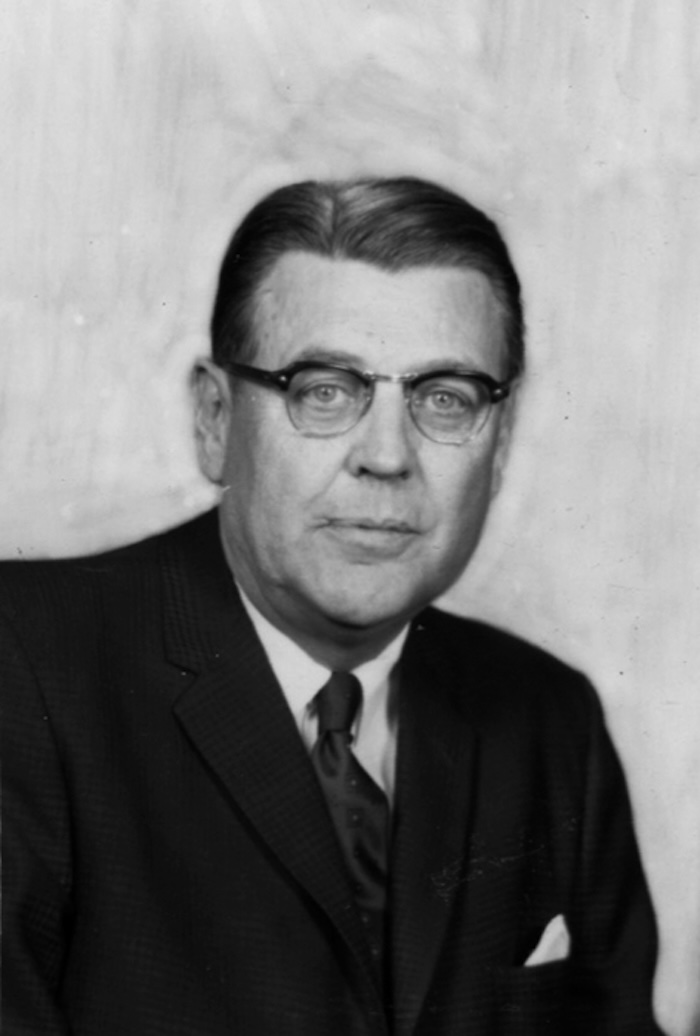
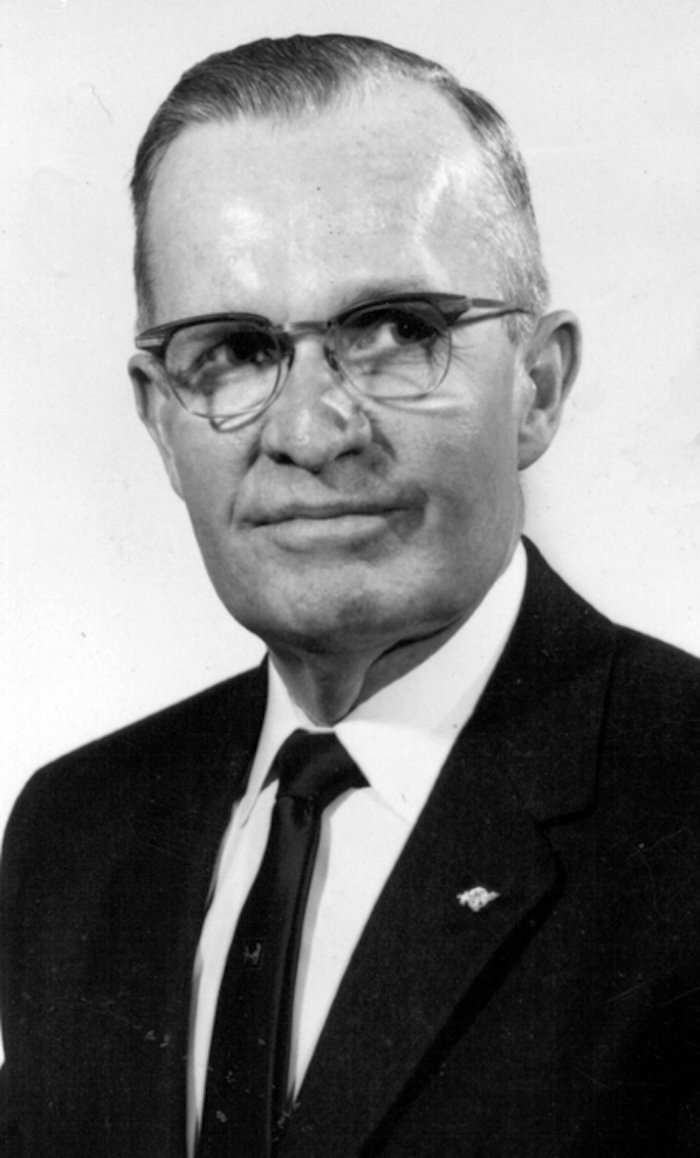

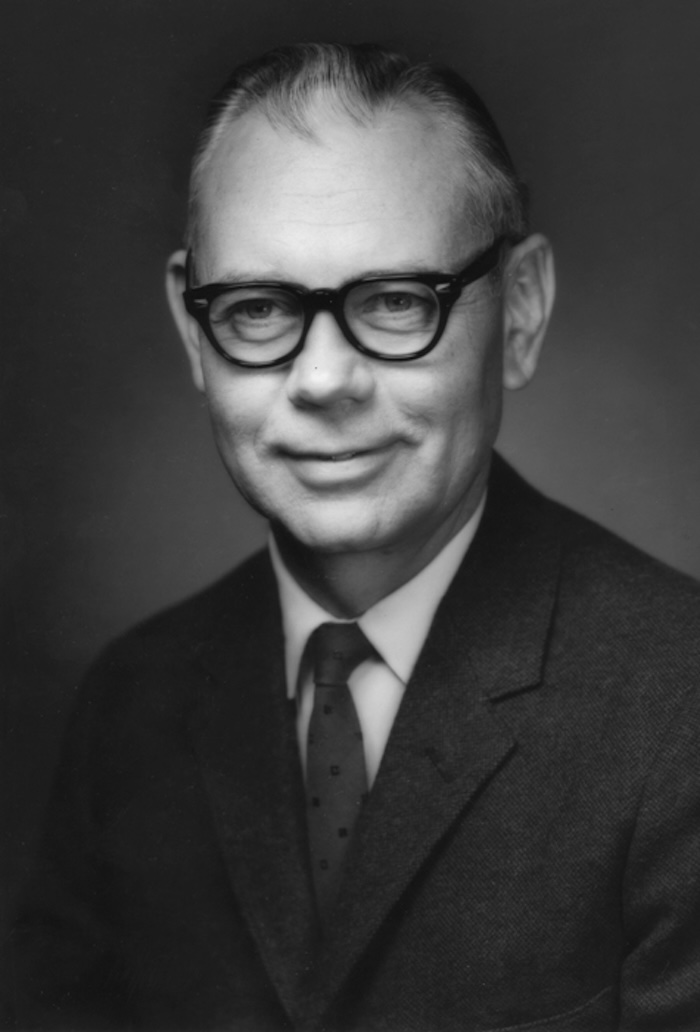
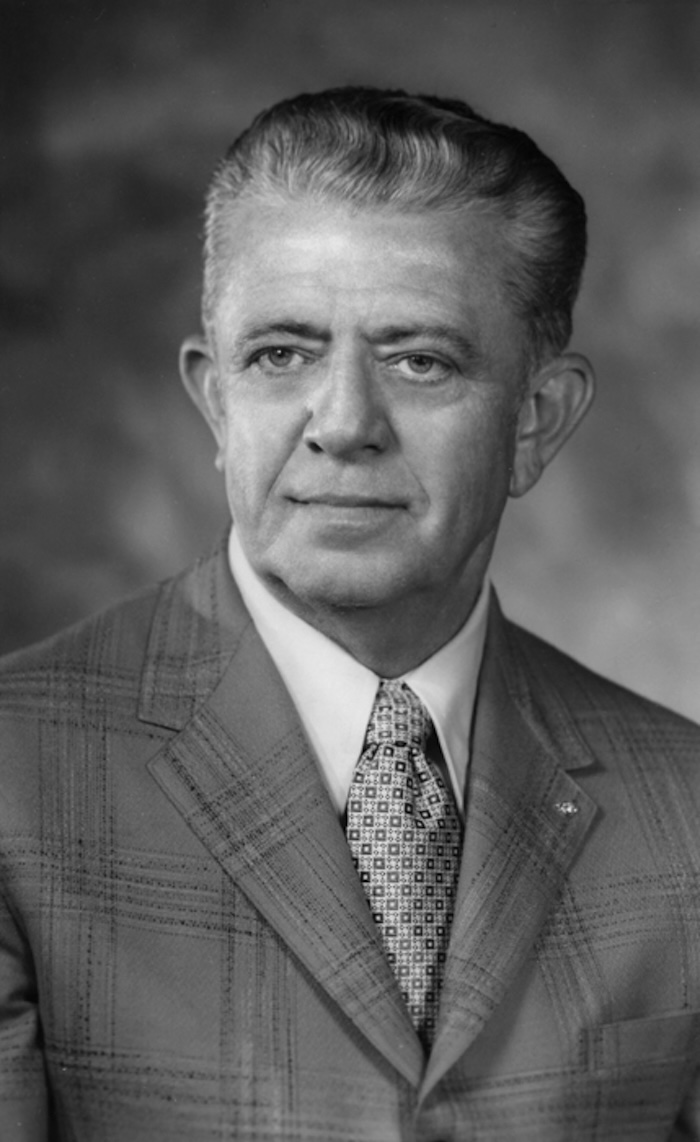
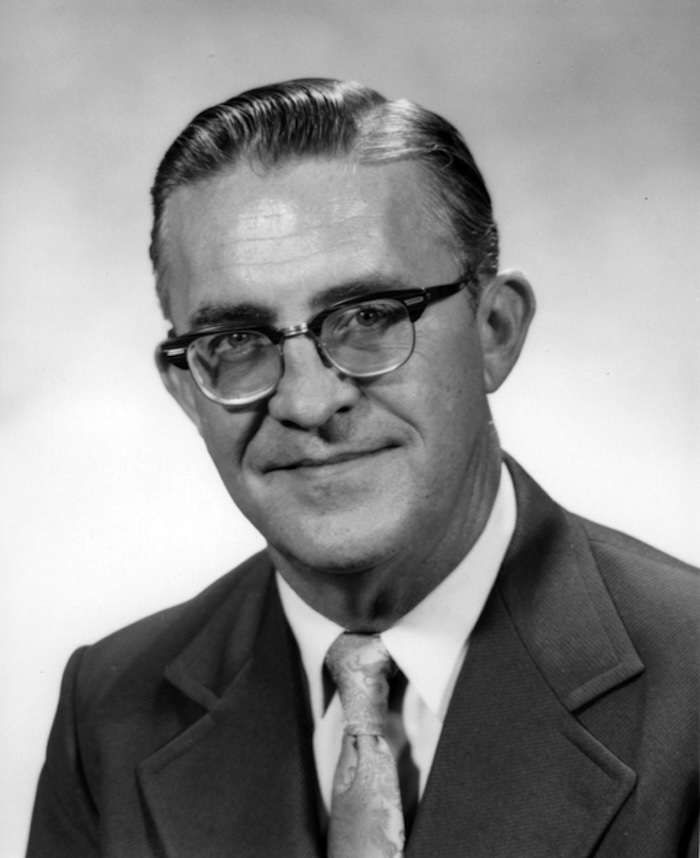
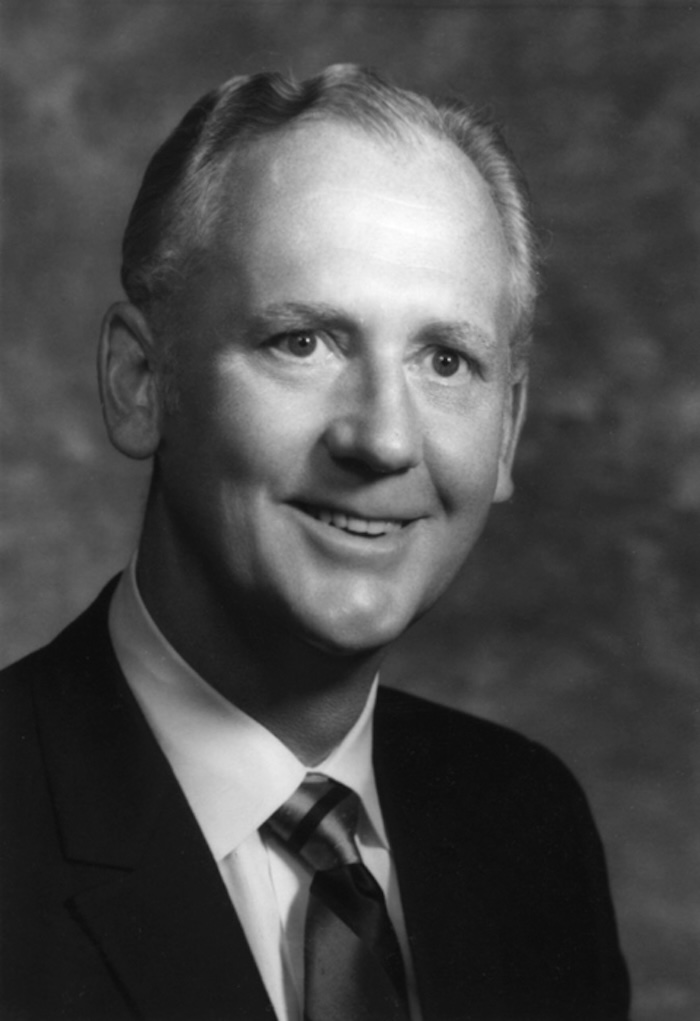
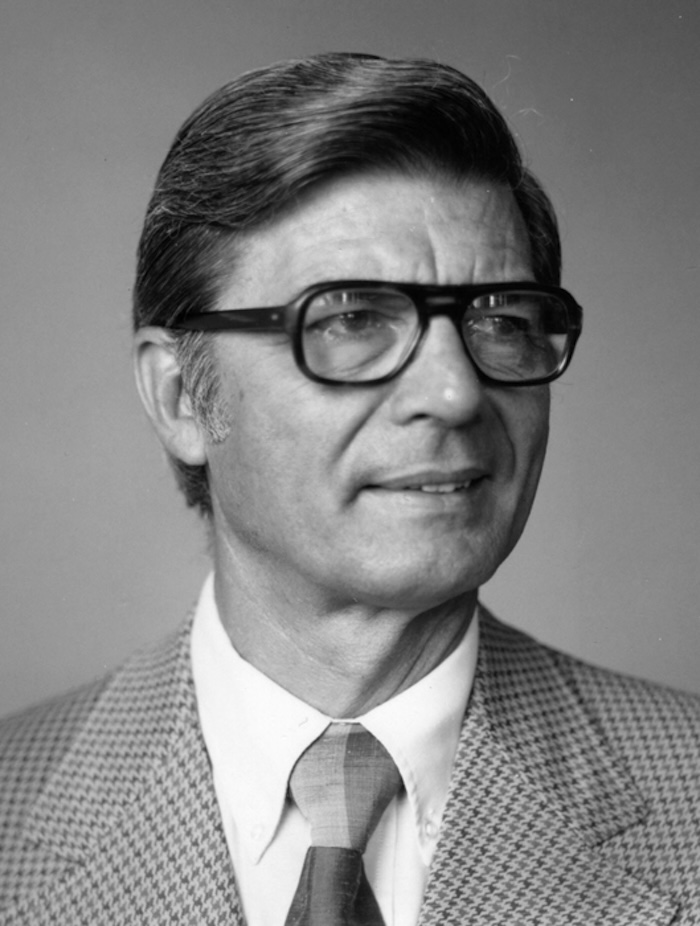
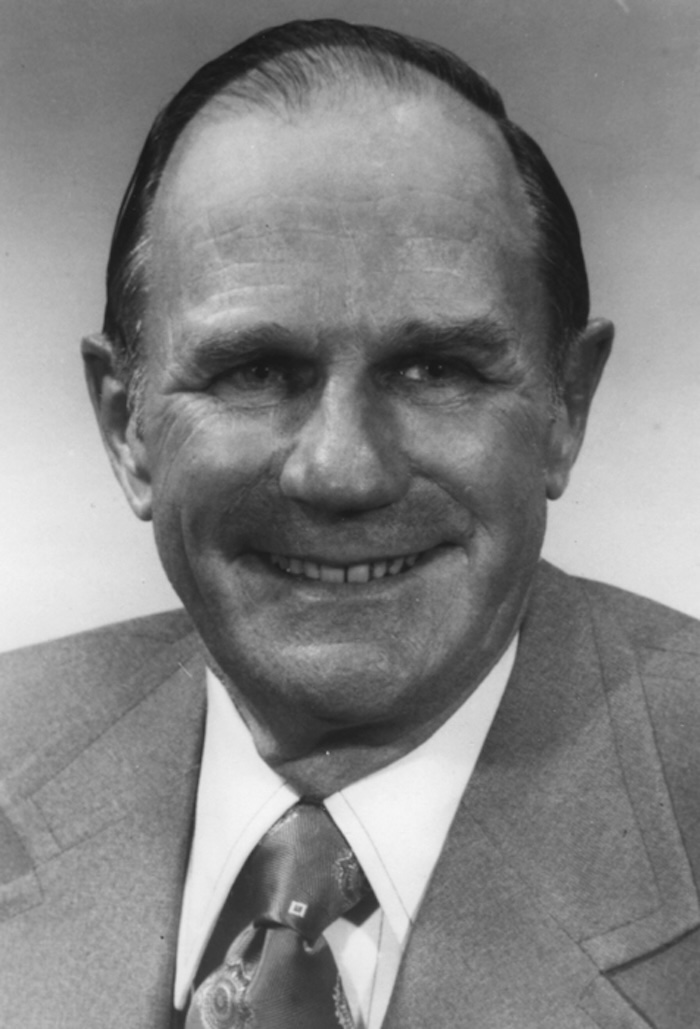
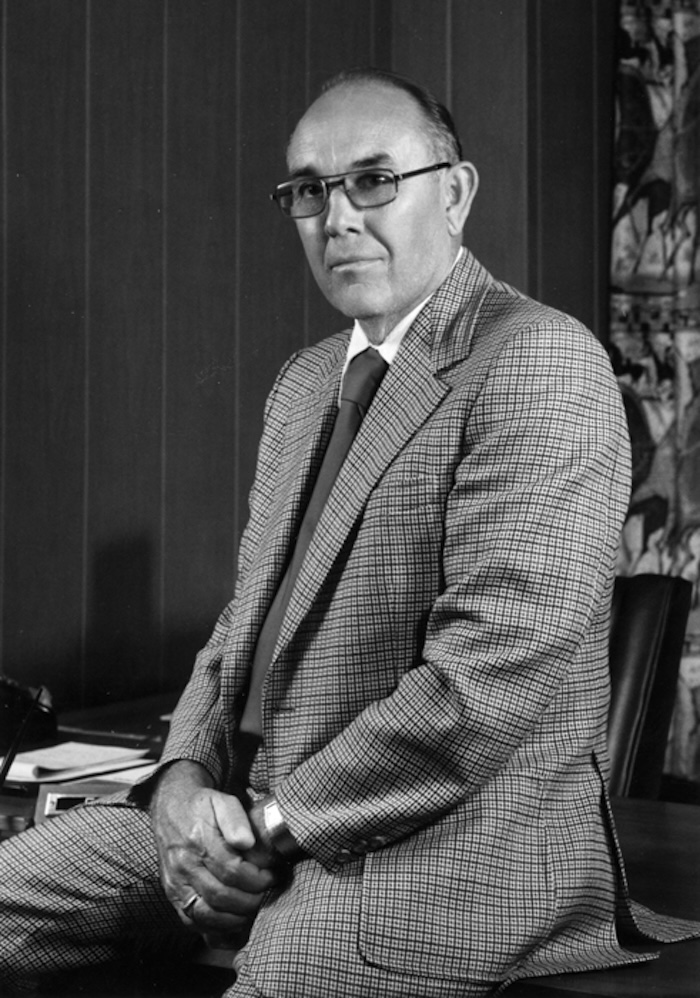
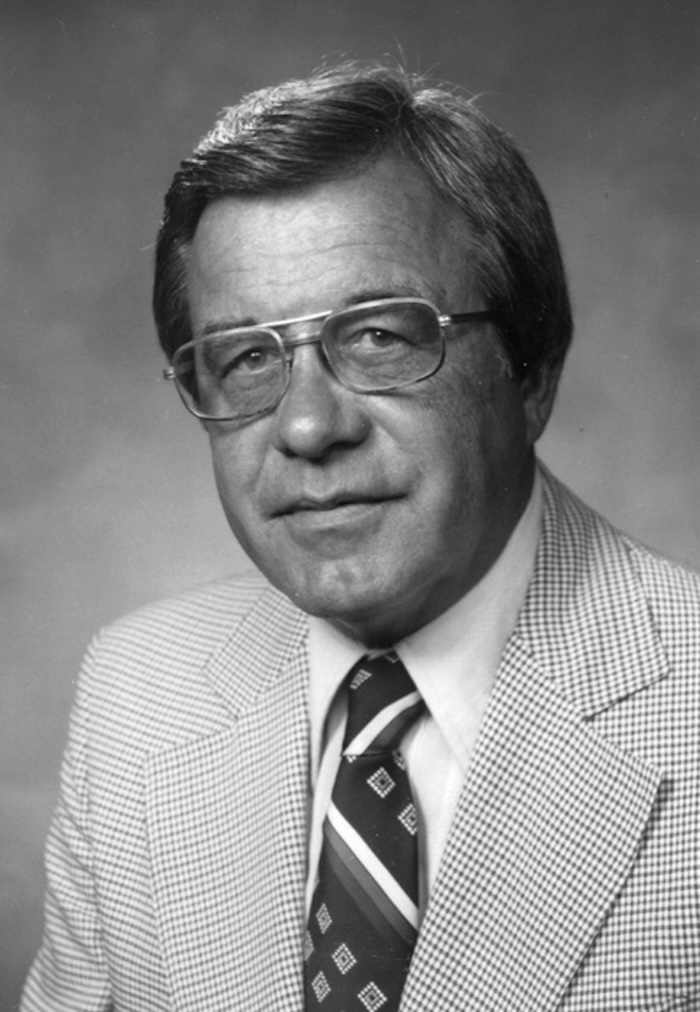

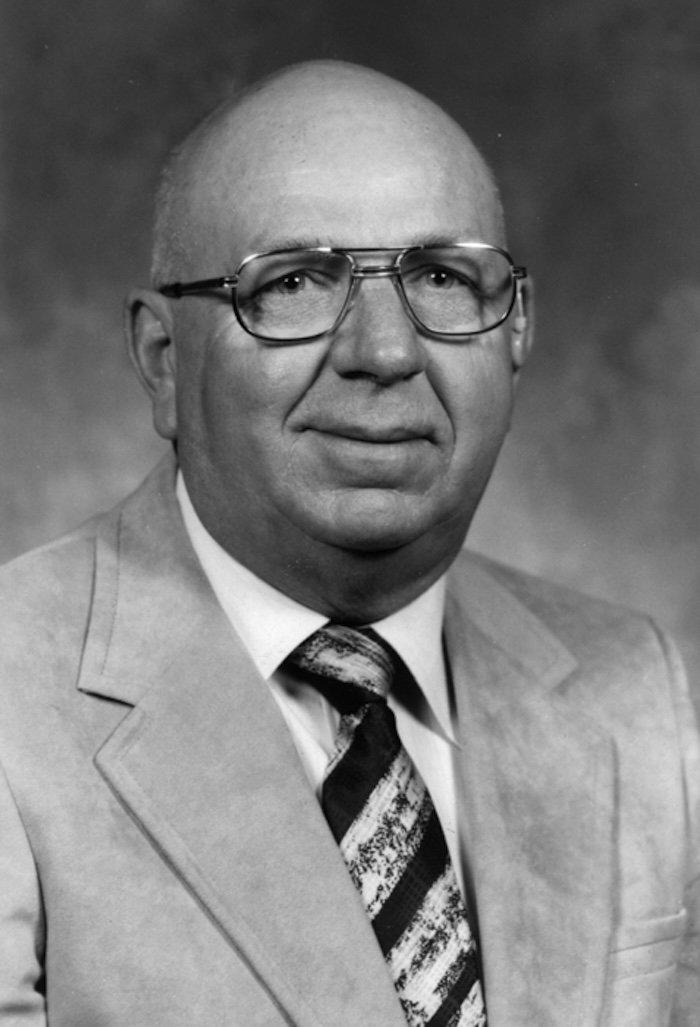
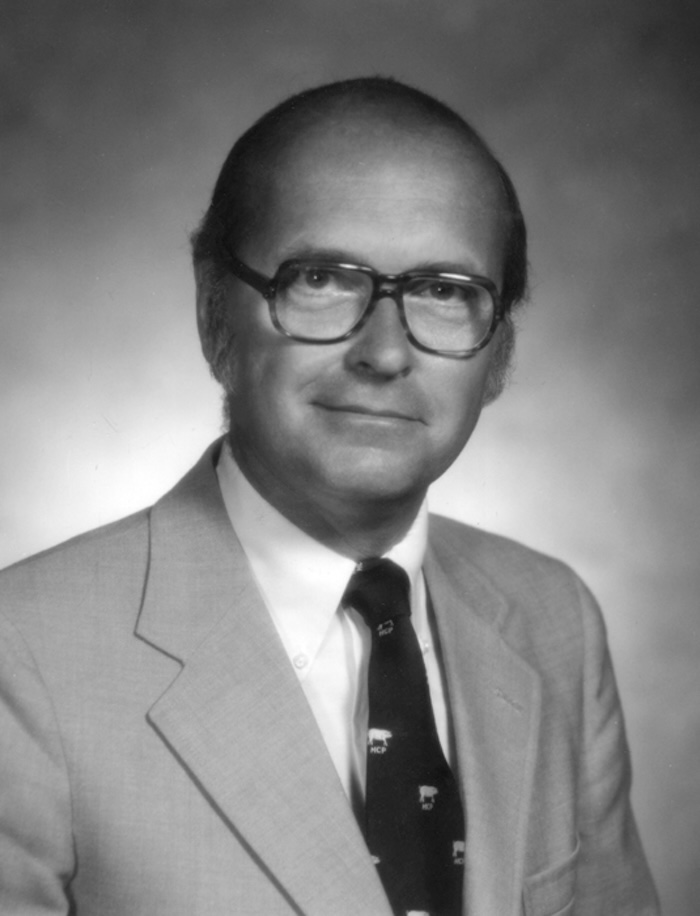
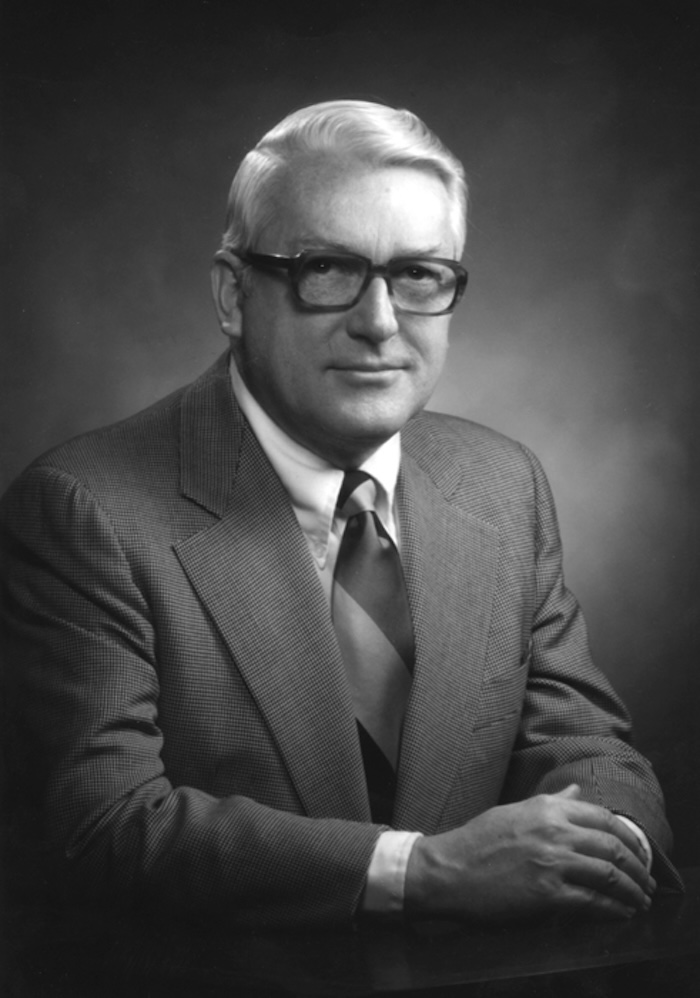
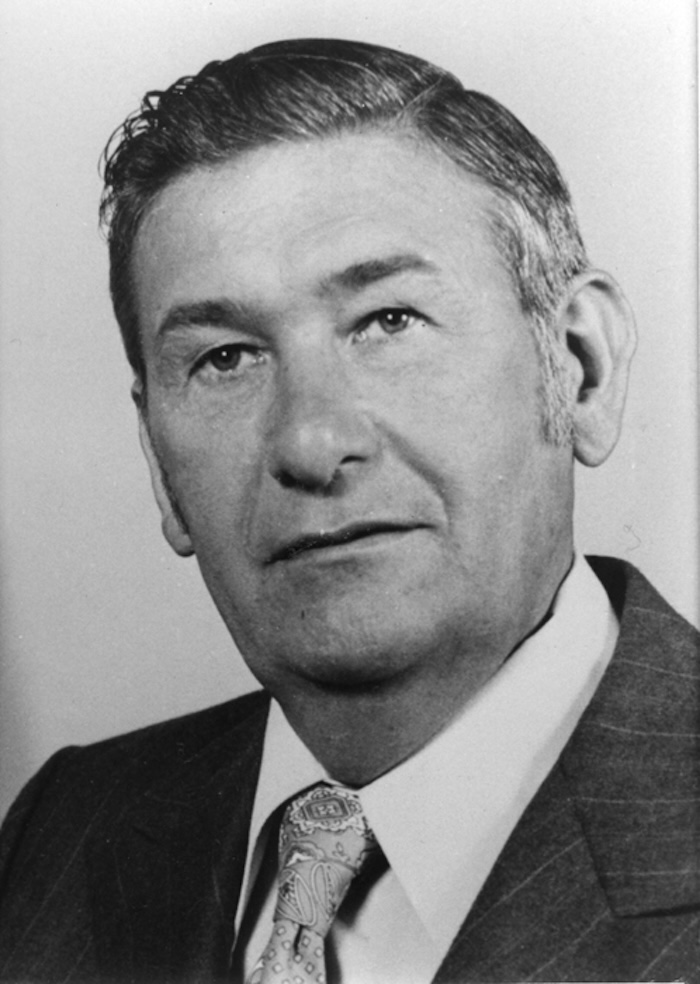
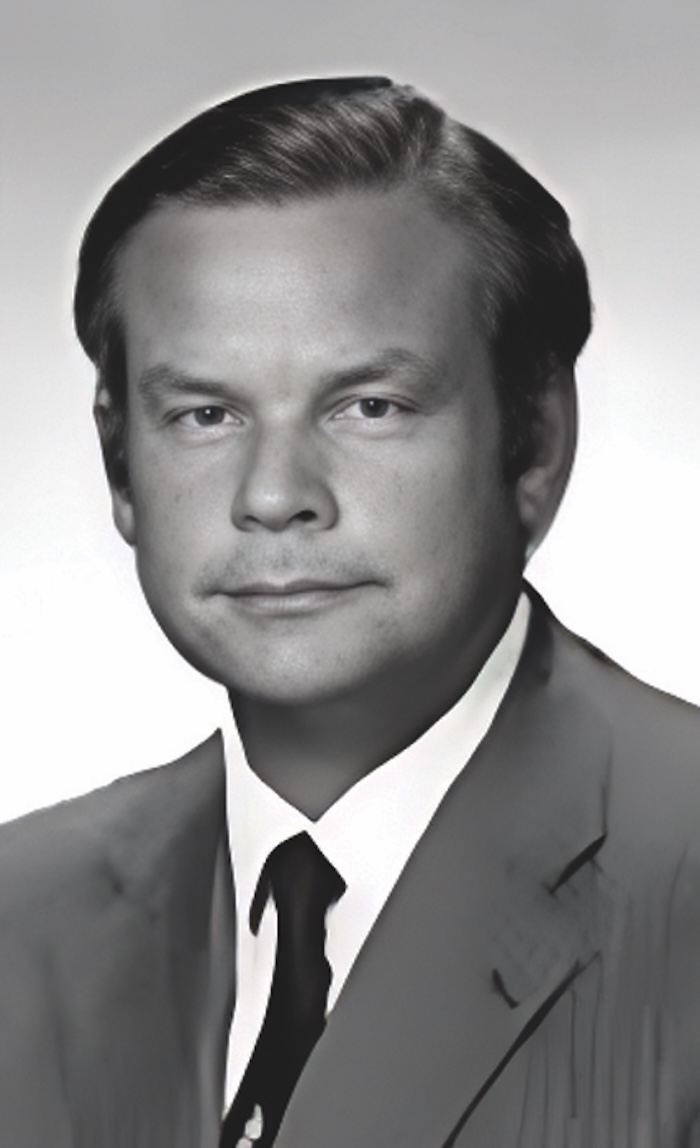
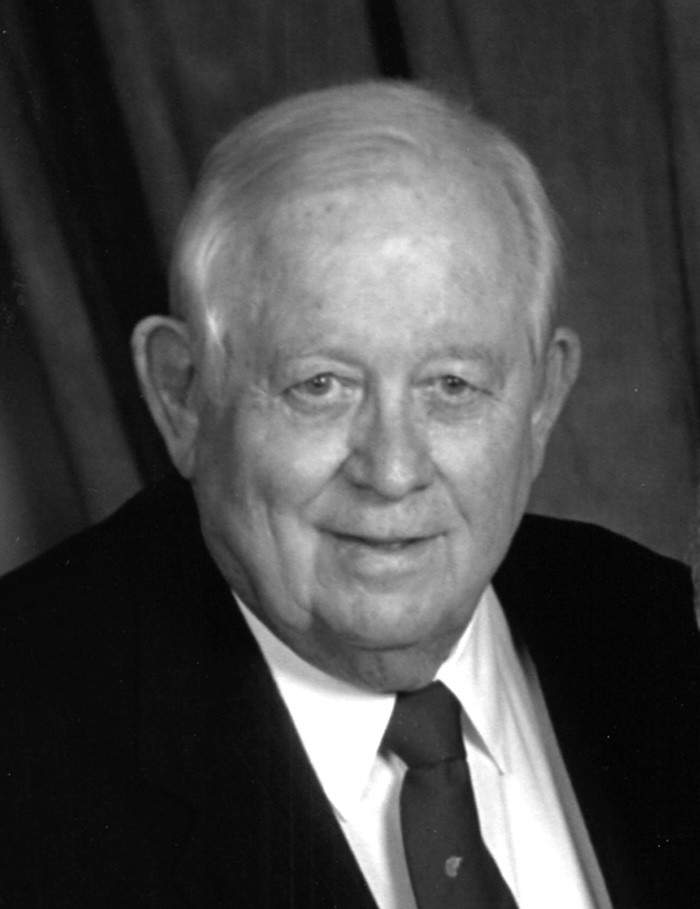
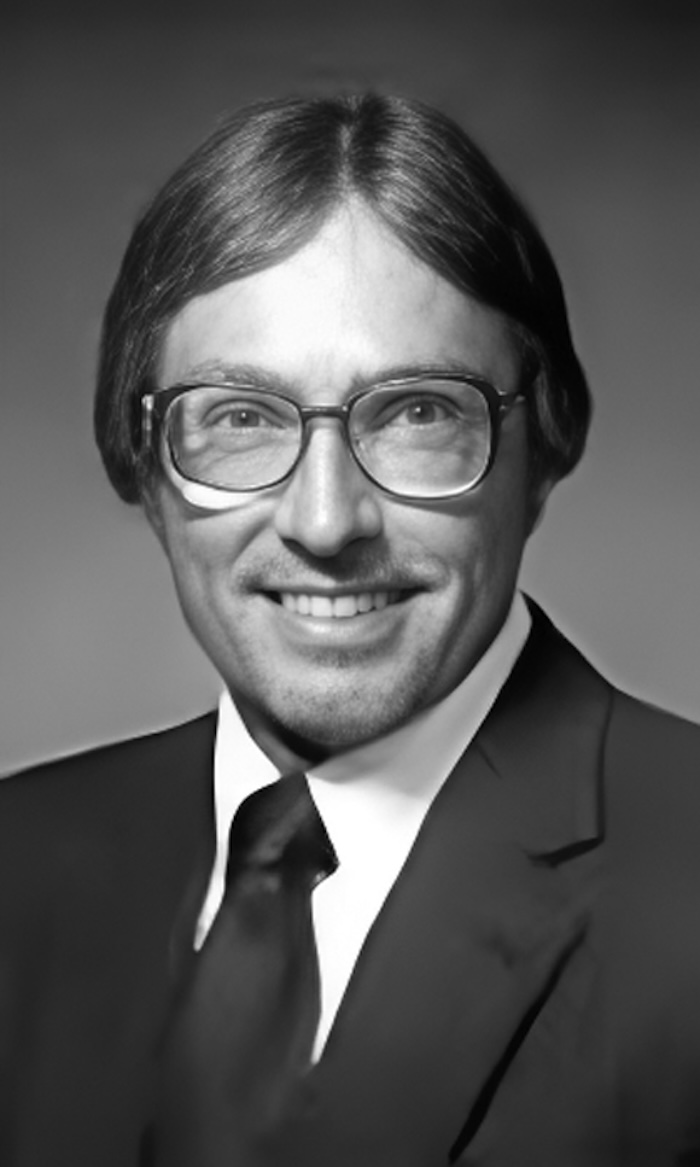
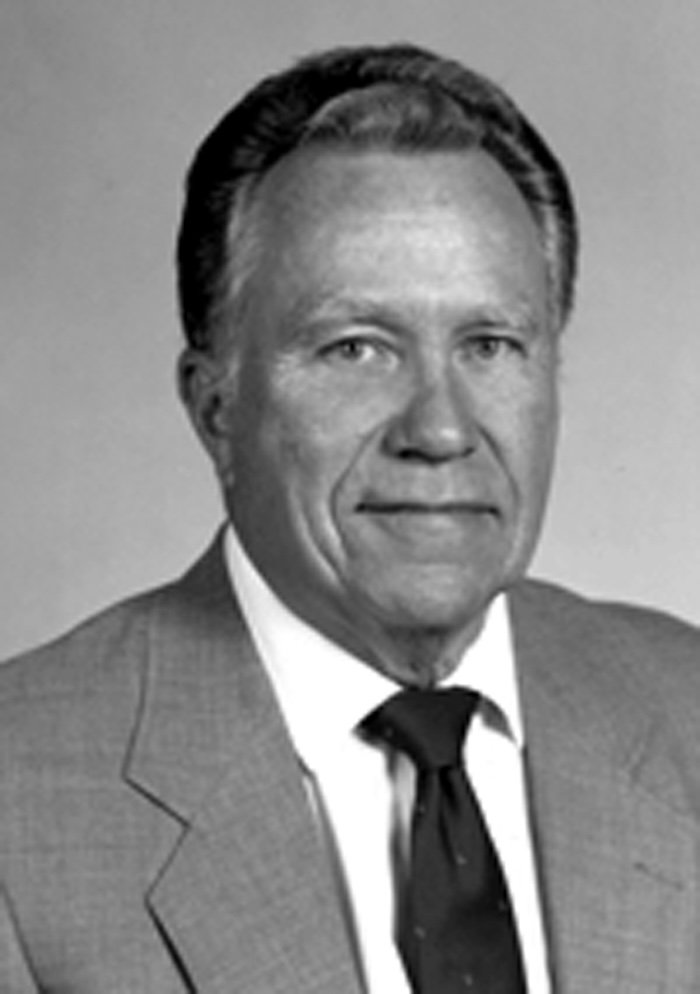
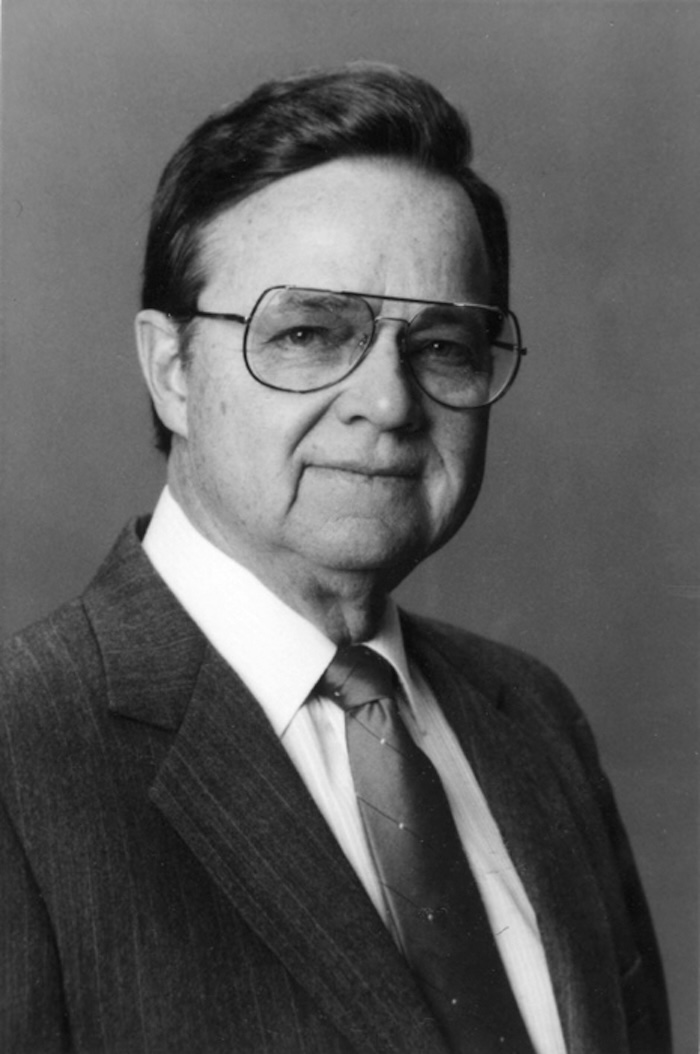
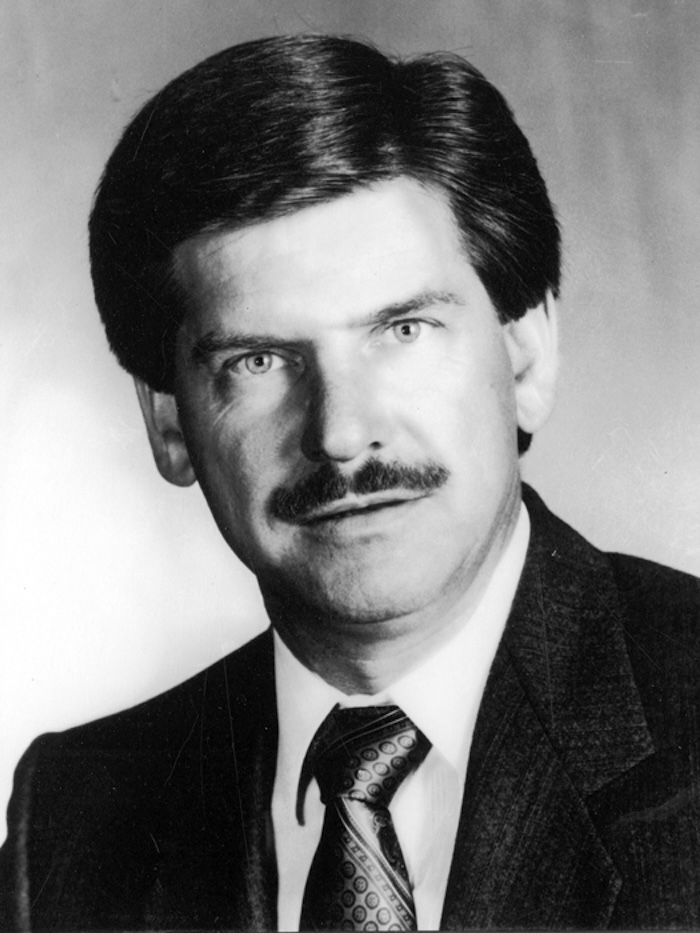
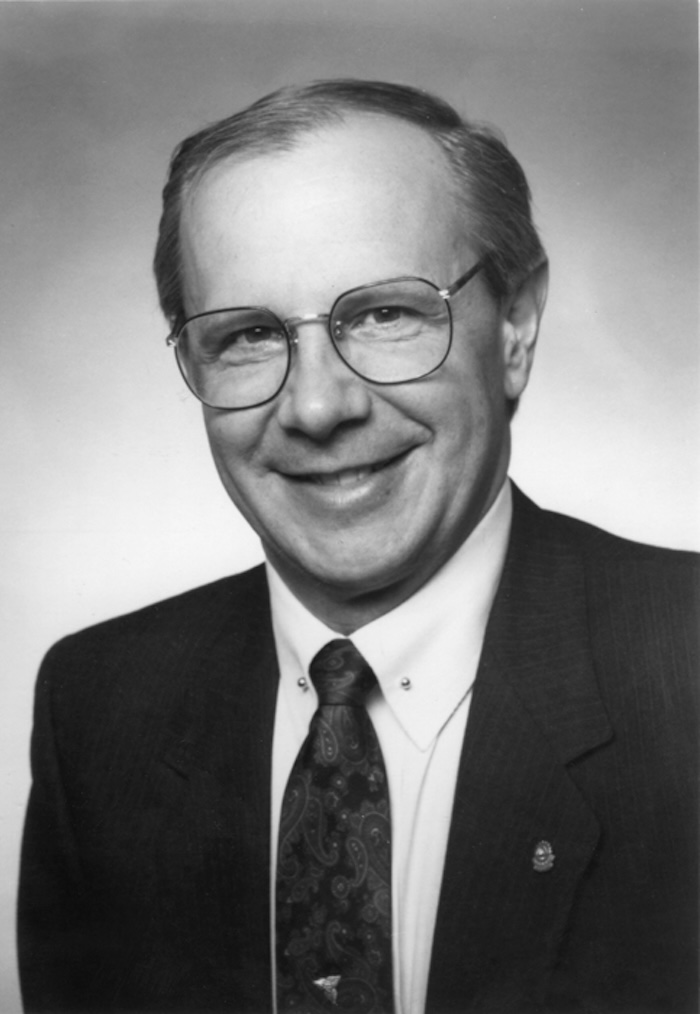
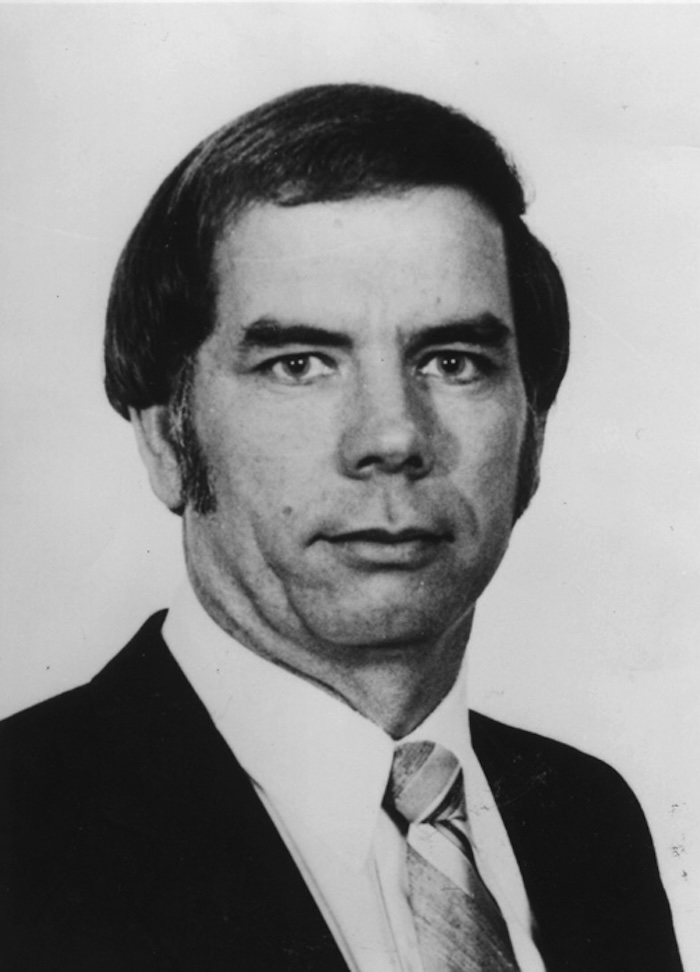
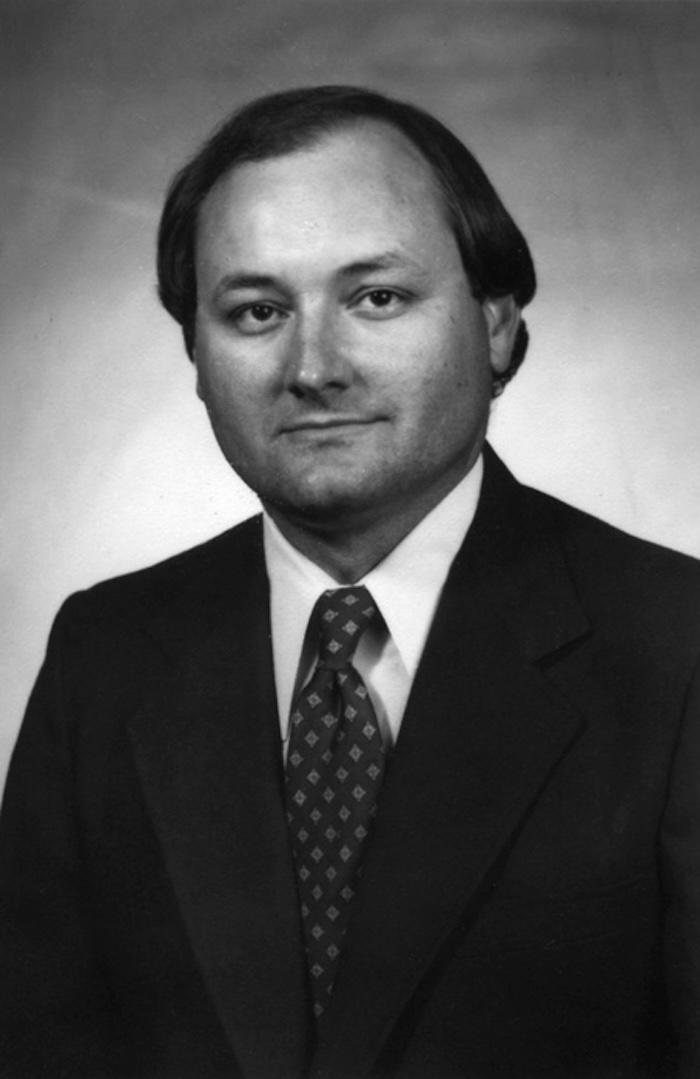

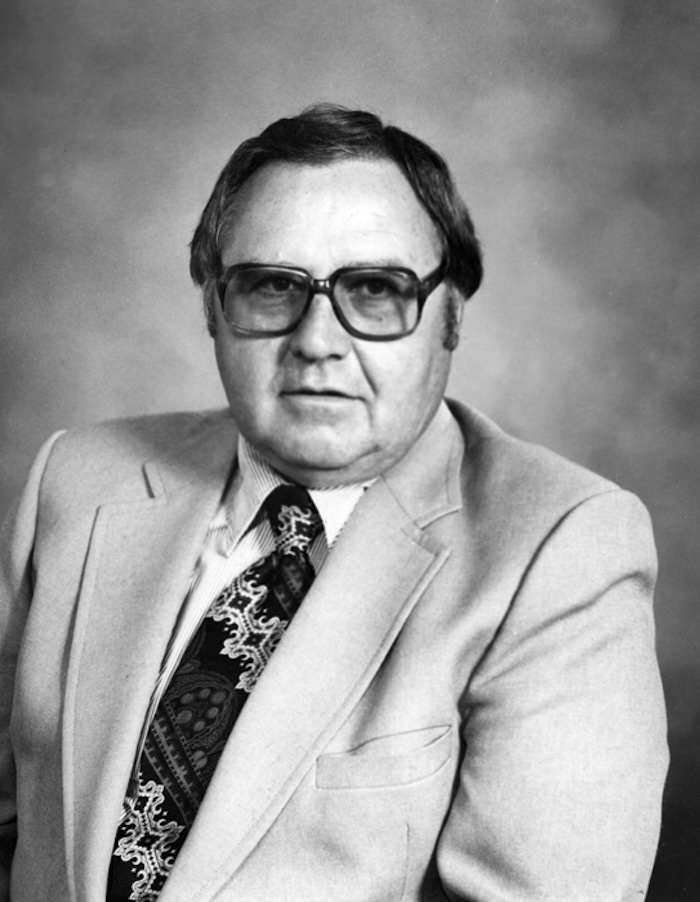
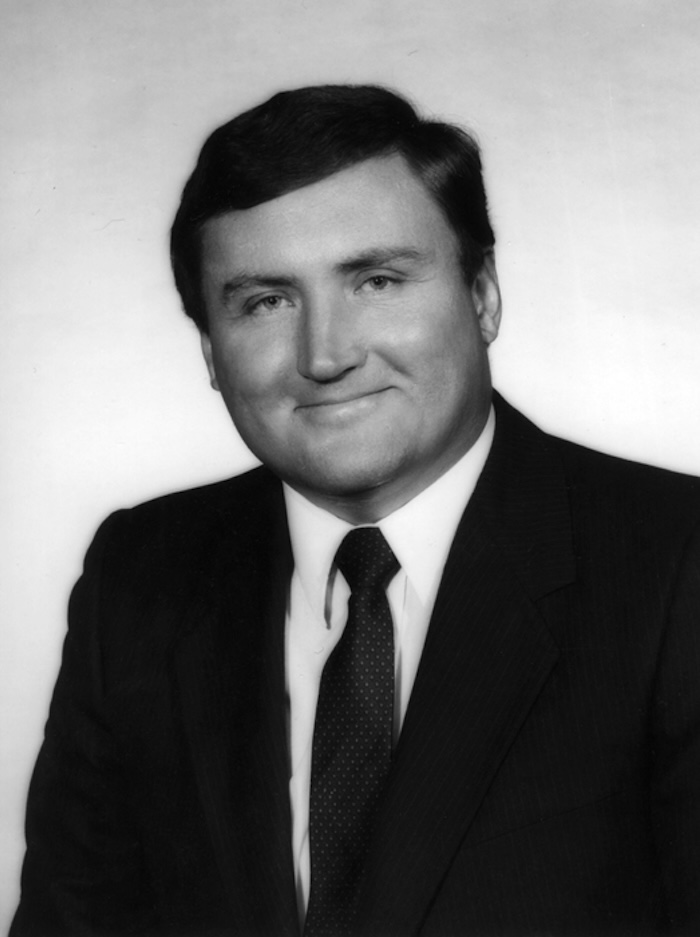
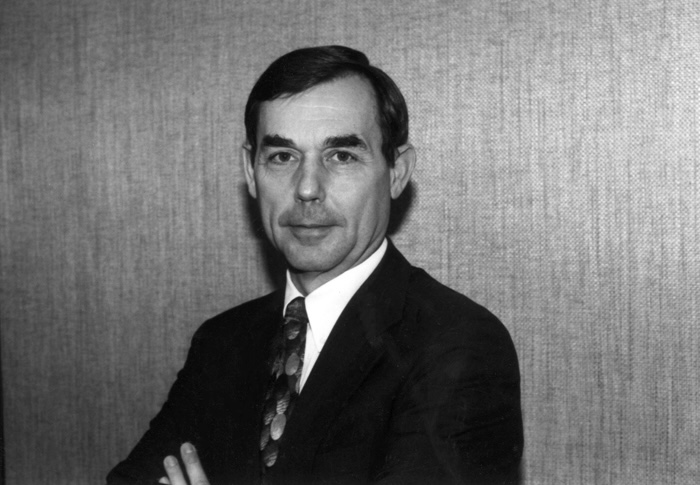
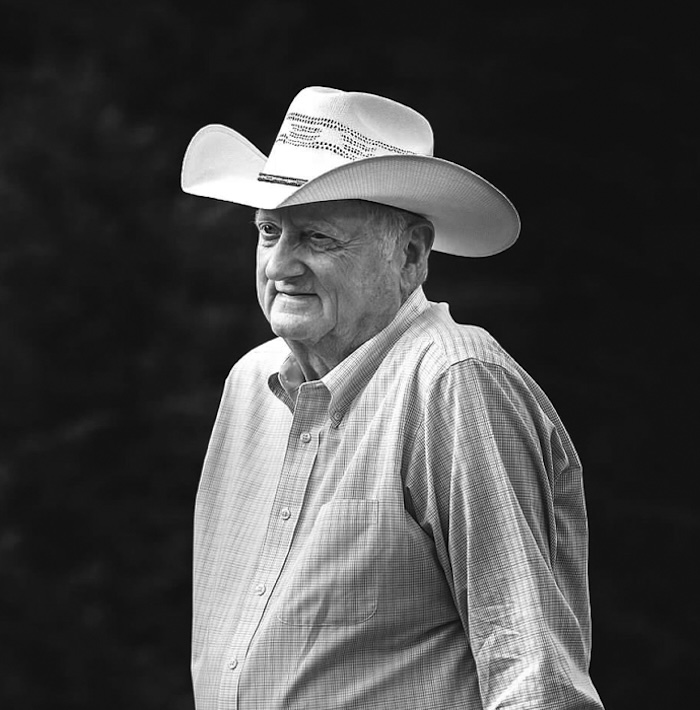
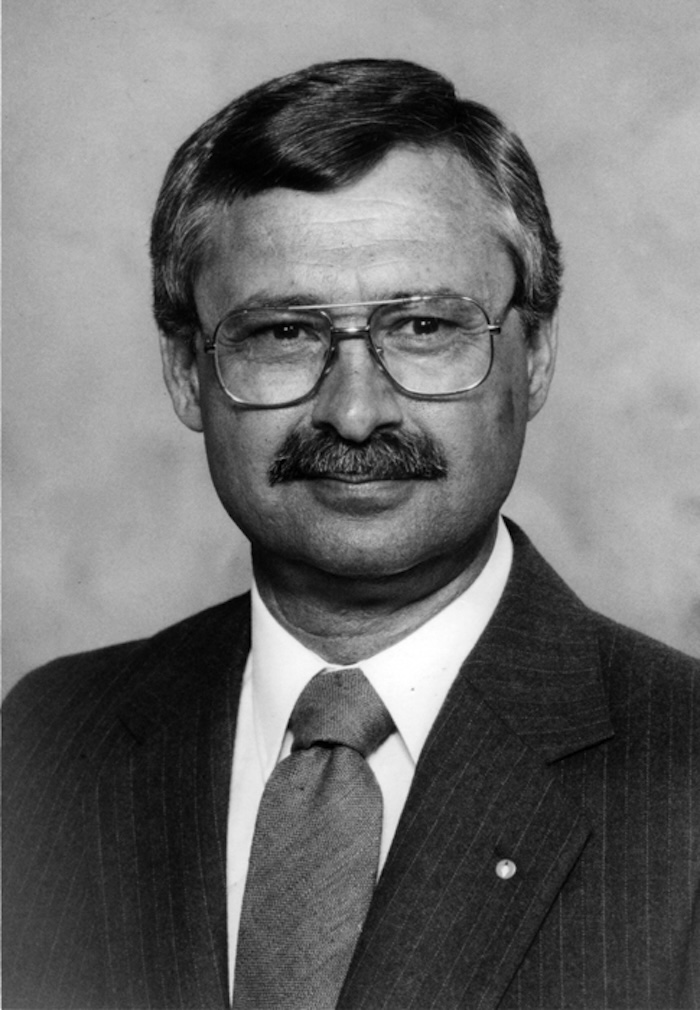
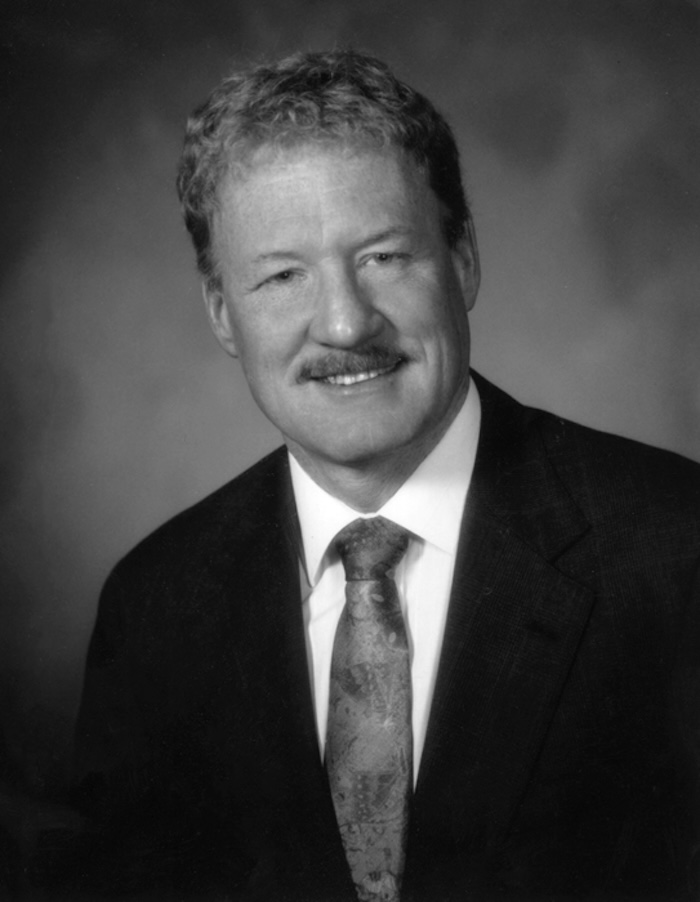
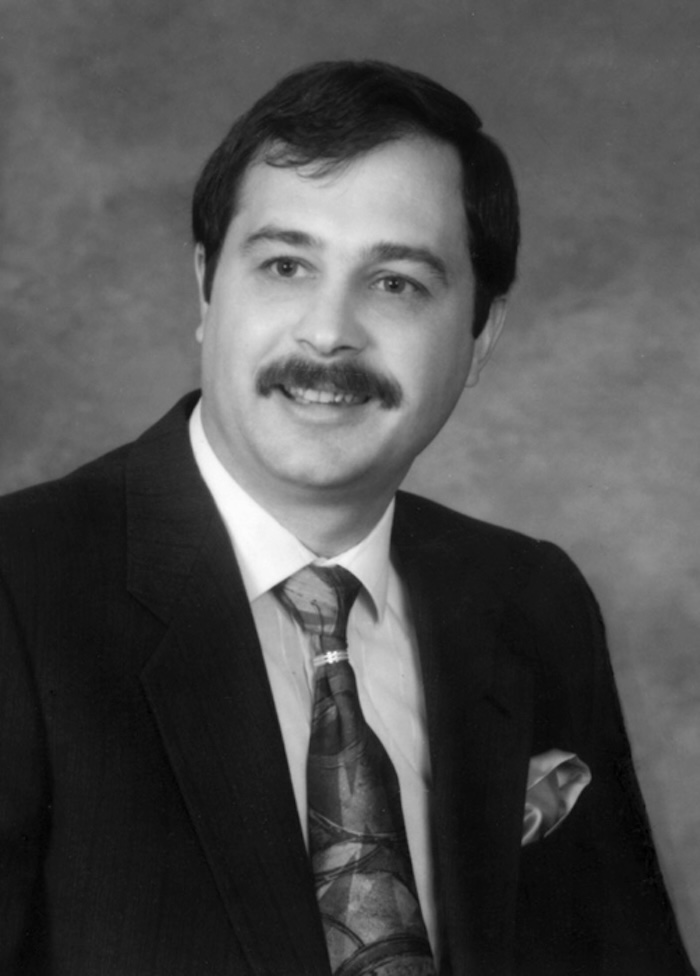
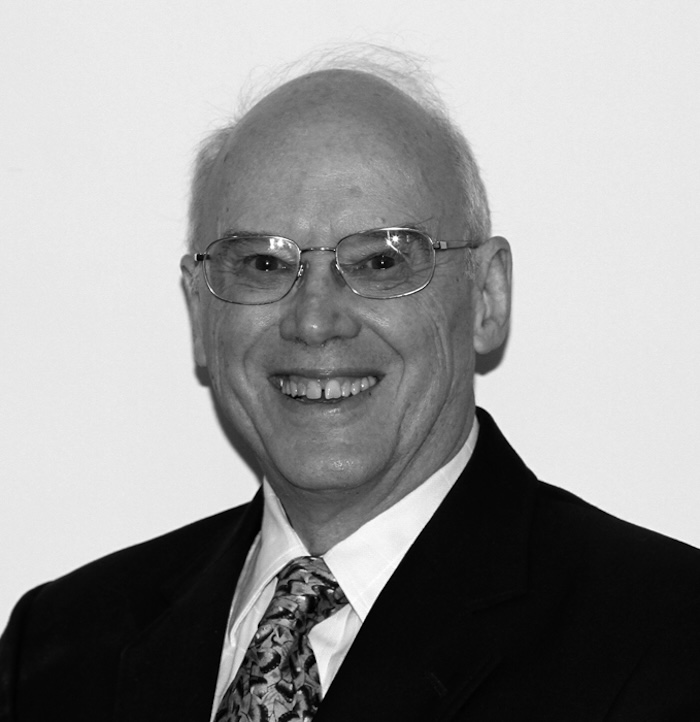
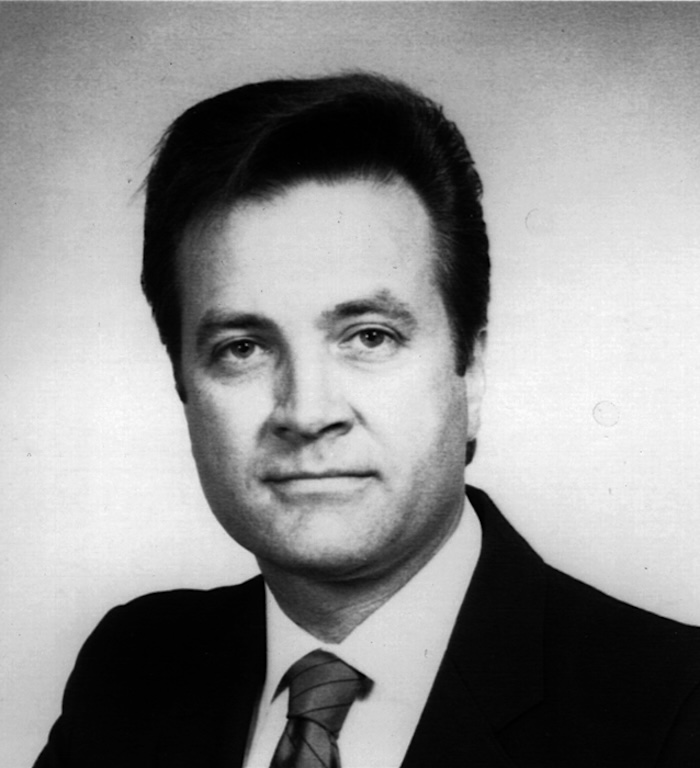
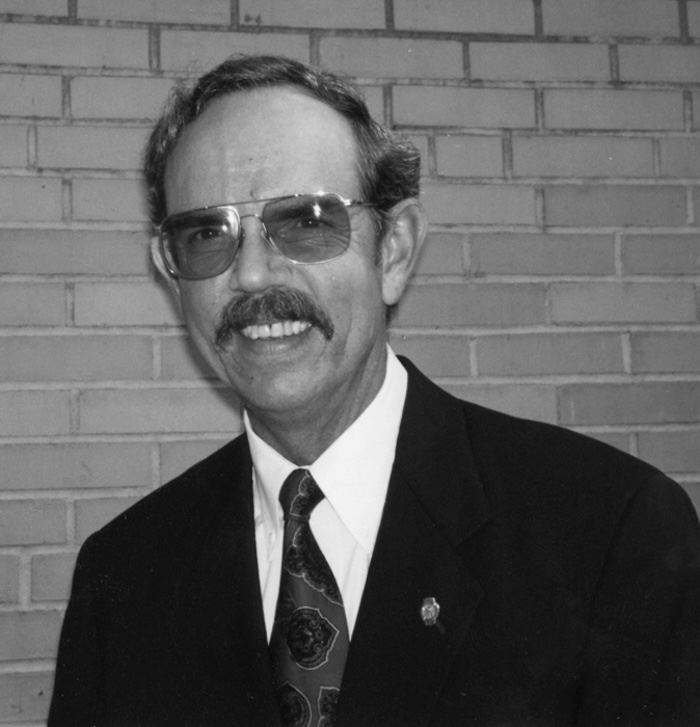
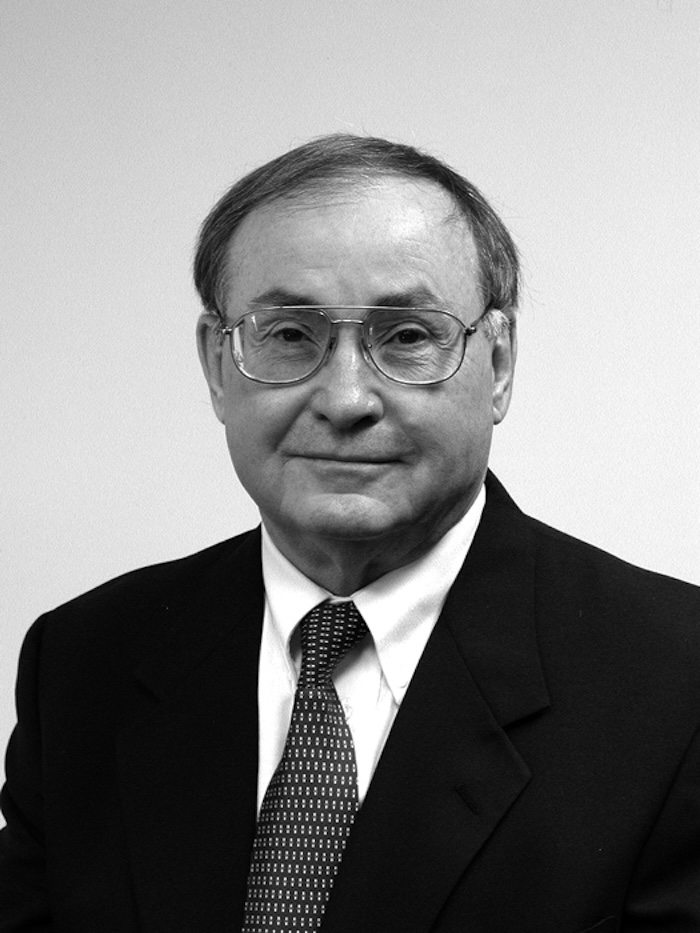



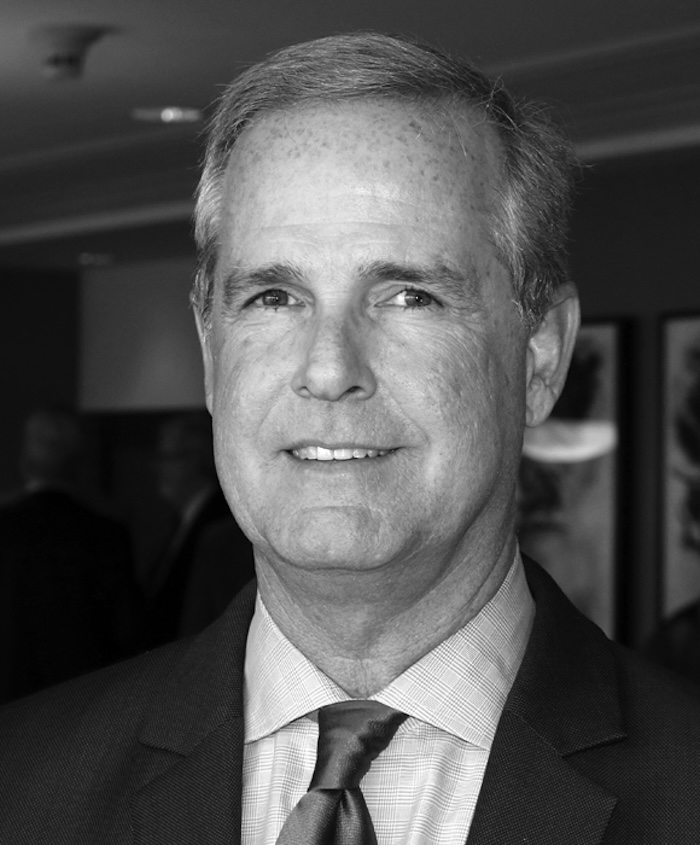
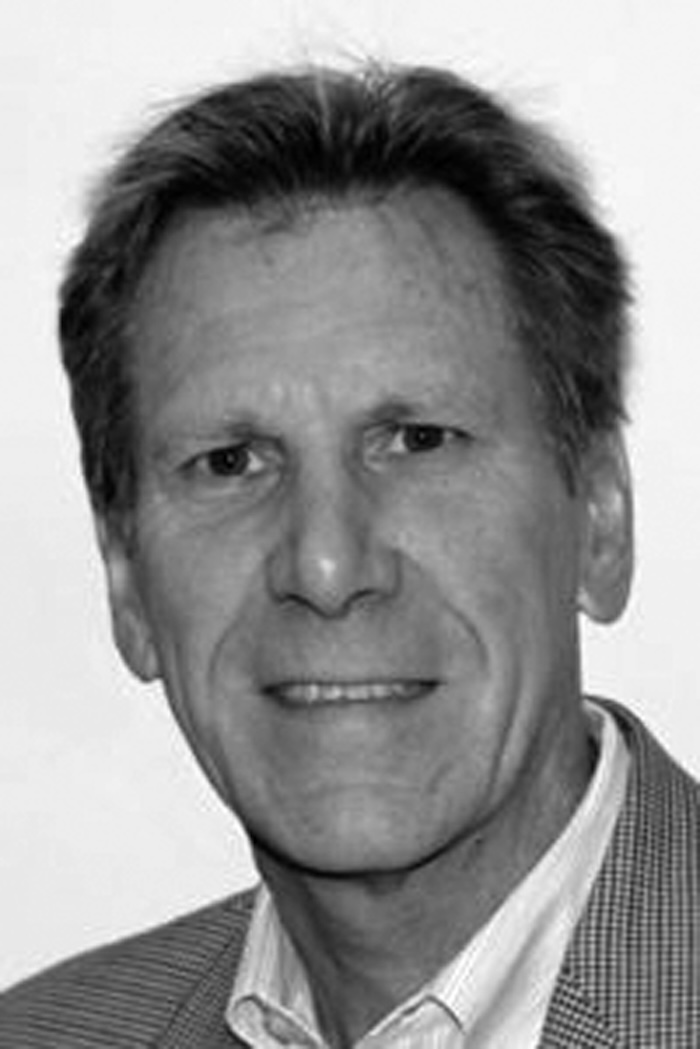
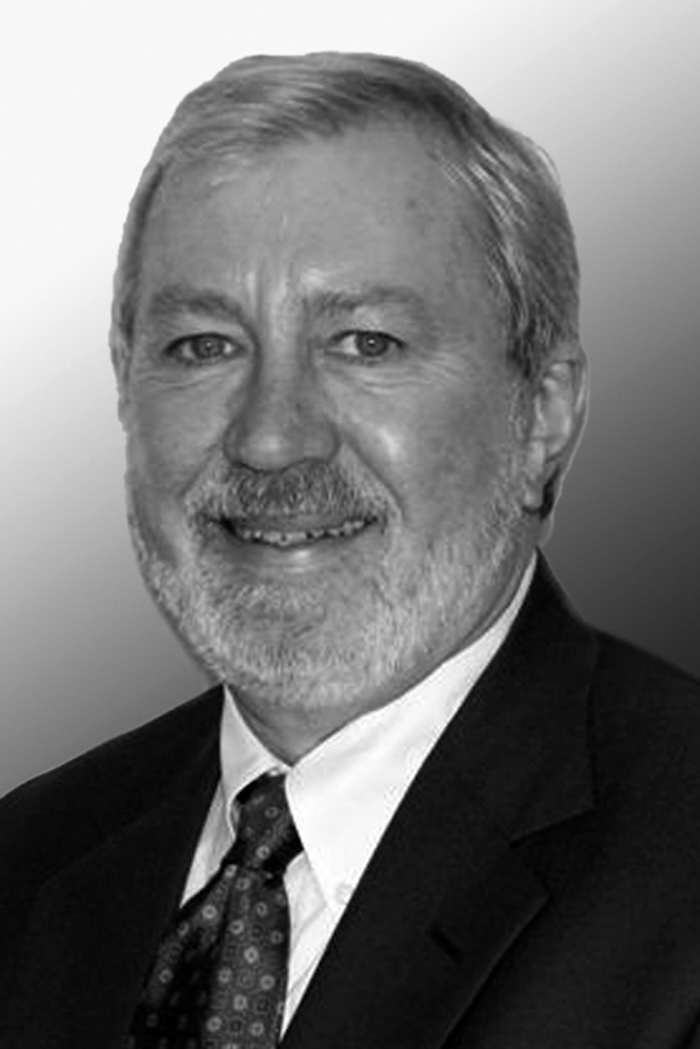
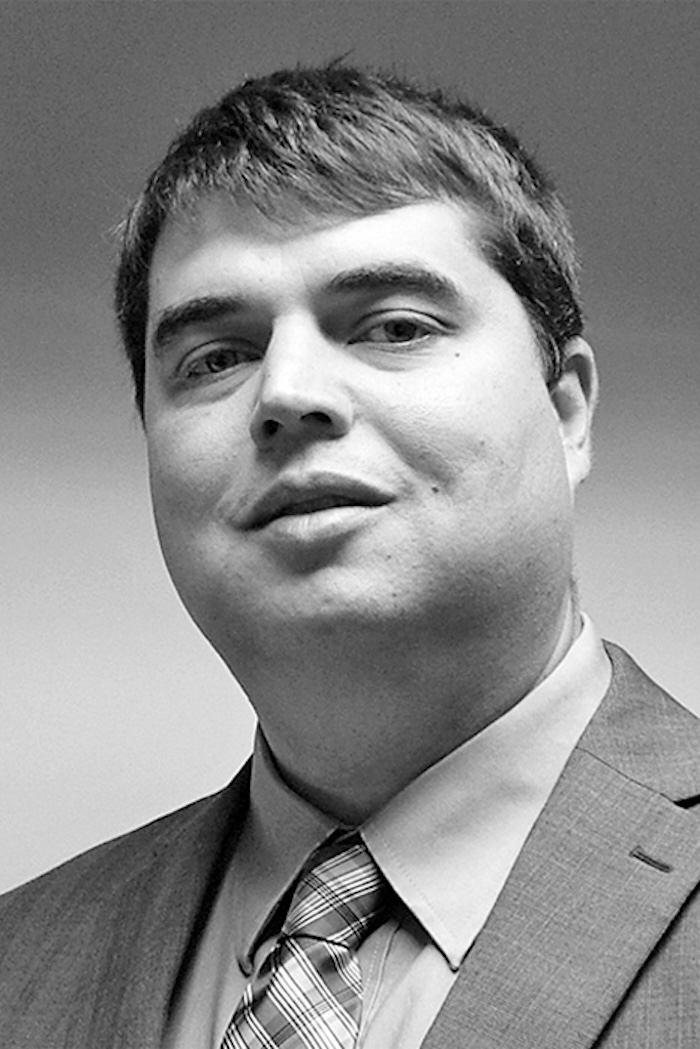



According to Larry Waller’s minutes of July l4, 1950, eight manufacturers met at the Palmer House in Chicago. They were Louden, Fuller, Butler, Neubauer and Waller, plus J.W. Coxson, Mt. Hawley Mfg. Co., Peoria, Ill.; W.H. Roberts, Jr., S.L. Allen Co., Philadelphia; and J.W. Thayer, Milwaukee Hay Tool Co., Milwaukee.
They discussed the advantages of an organization of allied farm equipment manufacturers. Although entertainment of the wholesalers was one objective, they soon discovered a need for an association to represent this segment of the industry. Most were members of the Farm Equipment Institute (FEI) but didn’t feel there would be a conflict with the allied group.
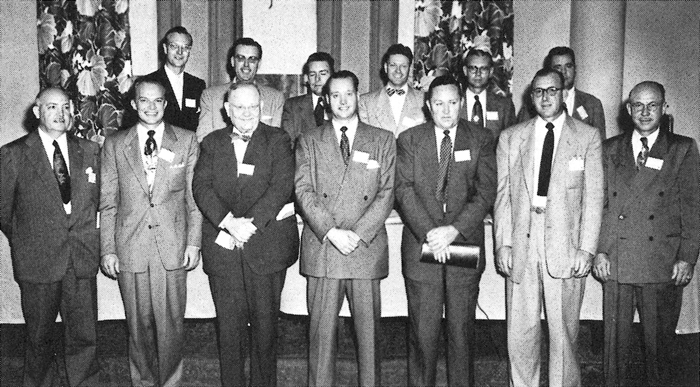
Association’s Third Board of Directors — 1952-53
Front row, left to right: C.C. Keller, Empire Plow Co., Cleveland, Ohio; W.E. Munzell, Danuser Machine Co.; Fulton, Mo.; J.W. Coxson (Secretary), Mt. Hawley Mfg. Co., Peoria, Ill.; L.B. Waller, Ezee Flow Spreader Corp., Chicago; R.W. Louden (1st Vice President), Louden Machinery Co., Fairfield, Iowa; Lorin Badskev, LML Engineering & Mfg. Co., Columbia, Ind.; and C.E. Newkirk, Newkirk Mfg. Co., Anaheim, Calif.
Back row, left to right: Wendell E. Butler (Past President), The Galloway Co., Waterloo, Iowa; Earl Martin Jr., (President), Helix Corp., Crown Point, Ind.; E.E. Boyer, Turner Mfg. Co., Statesville, N.C.; Don P. Markus, Hamill Mfg. Co., Washington, Mich.; Ralph W. Dunlop (Treasurer), Krause Plow Corp., Hutchinson, Kan.; James Ward, Mt. Vernon Implement Co., Stamford, Conn. Missing from photo is B.A. Fuller (2nd Vice President), Fuller Mfg. Co., Centerville, Iowa.
They decided to invite other allied manufacturers to a meeting in Chicago in connection with the 1950 FEWA Fall convention, and to organize an association if sufficient interest was shown.
On October 14, 1950, a meeting was held at the Sheraton Hotel (formerly a Shrine Temple). The subject of an allied manufacturers’ association was put to a vote. Of the 60 companies represented, 46 voted to join, 2 voted against and 12 lacked the authority to commit.
A July meeting had established an “Executive Committee” headed by Butler. His recommendation that the board of directors be 15 members was approved and board members elected were: Butler, Fuller, Ward, Waller, Boyer, Caum, Coxson, Louden, Markus, Martin, Munzell, Neubauer, Newkirk, Roberts and Thayer. Dues for the first year were set at $50 per company.
At the board meeting that followed, officers were elected:
- President — Wendell E. Butler, Galloway Co.
- 1st V.P. — B.A. Fuller, Fuller Mfg. Co.
- 2nd V.P. — James Ward, Mt. Vernon Implement Co.
- Secretary — L.B. Waller, Ezee Flow Corp.
- Treasurer — E.E. Boyer, Turner Mfg. Co.
The first action of the new president was the establishment of six committees: membership, finance, bylaws, public relations, wholesaler relations, and entertainment. Under the leadership of B.A. Fuller, a drive for charter members immediately commenced.
Various names for the group were discussed followed by a vote which resulted in the selection of the name “Allied Farm Equipment Manufacturers.”
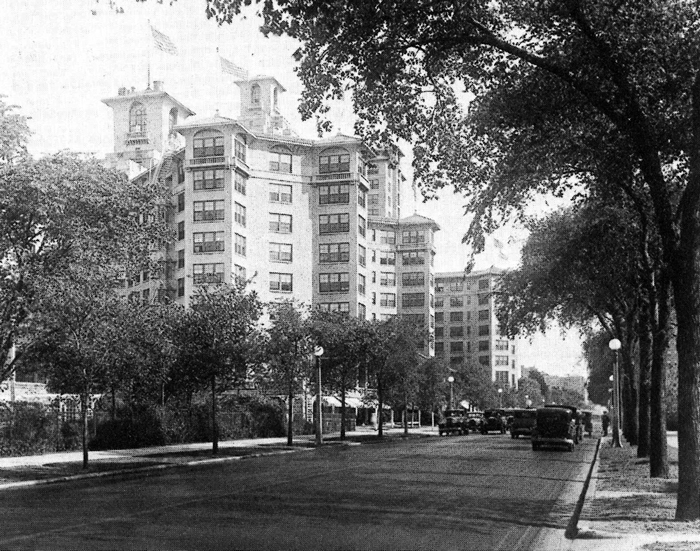
Edgewater Beach Hotel ... Home Base for General Membership Meetings
The former Edgewater Beach Hotel, Chicago, might well have been called the “home” of the association as nearly one-half the general membership meetings during the first quarter century of FEMA’s history were held there. In the mid-1970s, the events required at least 1,100 rooms, more than most hotels were willing or able to set aside. Also, convention locations and general dates needed to be established 5-10 years in advance because of the demand for hotel space.
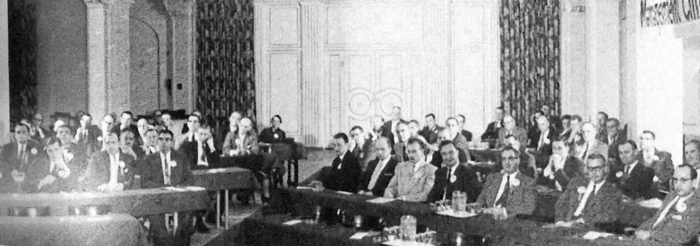
The word “association” was added at the 2nd meeting on January 16, 1951, at the Chicago Palmer House. Treasurer Boyer reported receipts of $4,150 for 83 charter memberships, and that the Social Fund (a separate fund for entertainment of wholesalers) had $607.12.
The First Meeting ... & A Battle Over Steel-Sourcing
Wartime steel allocations threatened small ag equipment’s ability to compete. A new association thrust a flag in the ground & engaged in the fight with the ‘big boys.’
At the first meeting of Allied Farm Equipment Manufacturers Association’s (AFEMA) board of directors on October 14, 1950, grave concern was expressed about the just-started Korean War. Small manufacturers of farm equipment had been totally overlooked in the allocations of steel.
“From then on, we were included in steel allocations. This didn’t mean we could have all we wanted, but we could at least get in line and buy our fair share at controlled prices…” –Ralph Dunlop of Krause Plow Corp., Hutchinson, Kan.
For many manufacturers, it was a question of survival. For most, it meant no production for the 1951 spring season unless they patronized the black market and paid prices that would wipe out all possibility of profits.
With no association funds available for travel reimbursement, Wendell E. Butler (Galloway Co.), Bob Louden (Louden Machinery Co.) and Jack Neubauer (Standard Steel Works) “volunteered” to represent the group on a trip to Washington D.C. and report the problem to senators and congressmen.
Butler recalled the trio’s trip in January 1951. “We were not very enthusiastically impressed with the results,” he recalls. “But it turned out later that we had accomplished more than we thought and started the ball rolling.
“The shortline industry would be dramatically reduced without FEMA. We’ve joined together with one strong voice. Independently, we wouldn’t get very far. FEMA finds different legislations that would be opposed to what we’re trying to accomplish. It’s one very strong voice for all small farm equipment manufacturers…” – Jim Hellbusch, Duo Lift Manufacturing Co.
“Since Bob and I were from Iowa, we were given interested and courteous interviews with Sen. Bourke Hickenlooper and Congressman H.R. Gross. Our visits with such branches as the Dept. of Agriculture, Office of Price Stabilization, and National Production Authority were not satisfying, but the Senator and Congressman told enough of the story that I was later requested to testify before the Senate Committee on Agriculture.
“Just prior to these hearings, the Farm Equipment Institute (FEI), under the leadership of its president, John McCaffrey, president of International Harvester, had issued a ‘white paper’ stating the position of the FEI recommended no government controls of any kind — that material was plentiful and farm equipment was plentiful. This was not the case with our members and, mostly, small manufacturers in the industry.”
“So, as president of AFEMA, I went to Washington to tell our story to the Senate Committee on Agriculture and to ‘face down’ McCaffrey and the big, strong FEI. Most of our board, including my company, were members of FEI at the time.”
“For many manufacturers, gaining access to steel was a question of survival. For most, it meant no production for the 1951 spring season unless they patronized the black market and paid prices that would wipe out all possibility of profits…”
Butler sent 100 telegrams to members requesting answers to four questions be telegraphed to him in Washington. He heard from 65, and the results and other facts were presented.
Industry Takes Notice
Both Butler’s and McCaffrey’s testimonies were reported in full in the April 25, 1951, Farm Implement News. This was helpful publicity as it showed that AFEMA was the only organization to seek help for the allied manufacturer.
This meeting led to a hearing in Chicago on May 11-12, 1951 before a House subcommittee on small business where 16 AFEMA members testified on difficulties in obtaining steel. The recognition was unusual for a new organization and reflected its aggressive and dedicated management.
Among those appearing was Ralph Dunlop of Krause Plow Corp., Hutchinson, Kan. He was quoted in Implement and Tractor: “From then on, we were included in steel allocations. This didn’t mean we could have all we wanted, but we could at least get in line and buy our fair share at controlled prices.”
“It’s evident this group will be around for another 75 years because we’re seeing that second, third, sometimes even fourth, generations of family taking leadership positions on the FEMA board. It’s the fresh leadership that I’m thrilled to see — people in their 30s stepping up and saying, “Yeah, I want to take a leadership position in the association…” –Vernon Schmidt, retired FEMA Executive Vice President
This second meeting gained the group even more publicity. Implement and Tractor magazine, in its September 15, 1951, edition, reported: “AFEMA members have benefited in many additional ways during their first year. The association has already increased materially the prominence and stature of the shortline specialty manufacturer.”
Butler was busy in his two terms as president. “From February of 1951 till February 1953, I went to Washington 19 times. We took up problems for individual members as well as the industry as a whole, with the Office of Price Stabilization, National Production Authority, Dept. of Agriculture, House Committee for Small Business and various other government agencies.”
All Farm Equipment OEMs Were Once Shortliners
History shows that all farm equipment manufacturers were at one time shortliners. The Story of John Deere states that “in 1911, 6 non-competing farm equipment companies were bought into the Deere organization, establishing the company as a full-line manufacturer of farm equipment.”
Ford Motor Co. was reported to have taken eight years to reach the status of a “full” or “long-line” company. Incidentally, FEMA’s first president, Wendell E. Butler, resigned as director of the association in 1953 to join Ford Motor Co.
Although the history of International Harvester Co. reaches back to 1831, with the demonstration of the first successful reaper, the History and Development of International Harvester states: “The company’s line of farm implements became complete with the acquisition in 1918 of steel and chilled plows through the purchase of companies which operated the present Canton Works at Canton, Ill., and a plant at Chattanooga, Tenn., and the addition of a line of seeding machines manufactured at Richmond, Ind.”
Allis-Chalmers Corp. had its beginnings in 1847, manufacturing French burr millstones and other grist and mill supplies. A-C entered the ag equipment market with a tractor in 1914 but did not get into implements until 1929 with the purchase of the La Crosse (Wis.) Plow Company and in 1932 added the Advance Rumely Thresher Company. Gleaner Harvester Corp. of Independence, Mo., was purchased in 1955. Like other “majors” it took many years to convert from a shortline company to a “long” or “full-line” company.
Oliver Farm Equipment Co. was formed in 1929 by the merger of three pioneer farm machinery builders (shortliners) — Hart-Parr Co., Oliver Chilled Plow Works, and Nichols and Shepard Co. (threshing equipment). Oliver needed other lines, so that same year acquired the American Seeding Machine Co., and the McKenzie Potato Machinery Co. The Book of Oliver reports, “Then, in the fall of 1929, dealers were able to contract for a complete line of tractors, a line of harvesting and threshing machinery, a complete line of plows and tillage tools, drills and seeding machinery, potato machinery, soil improvement machinery — practically everything their customers and prospects could call for.” Again, a group of shortliners became a “full” or “long” line. In 1960 Oliver became a wholly owned subsidiary of White Motor Corp.
Minneapolis-Moline Power Implement Co. came into existence in 1929. It was the result of a merger of the Moline Plow Co. (1870), the Minneapolis Threshing Machine Co. (1887) and the Minneapolis Steel and Machinery Co. (1902). In 1951, the Avery Plow Co. (1825) became a part of Minneapolis-Moline, which in 1963 became a wholly-owned subsidiary of White Motor Corp.
Contacts with Washington were continued by Earl Martin, Jr., AFEMA’s second president and other board members, and were cited as purposes for the founding of the organization. Although the association tried having a representative in the capitol, unsatisfactory results returned that duty to the Board of Directors and officers.
At the third board meeting held February 22, 1951, at the Palmer House in Chicago, the board selected the management organization of Storms & Westcott, Chicago, to operate as the association’s national headquarters with offices at Tribune Tower on Michigan Avenue.
The First Meetings in 1951
The new association held its first General Meeting at Chicago’s Edgewater Beach Hotel, on April 11-14, 1951. The first FEWA-AFEMA joint luncheon was held April 12, followed by an AFEMA business meeting.
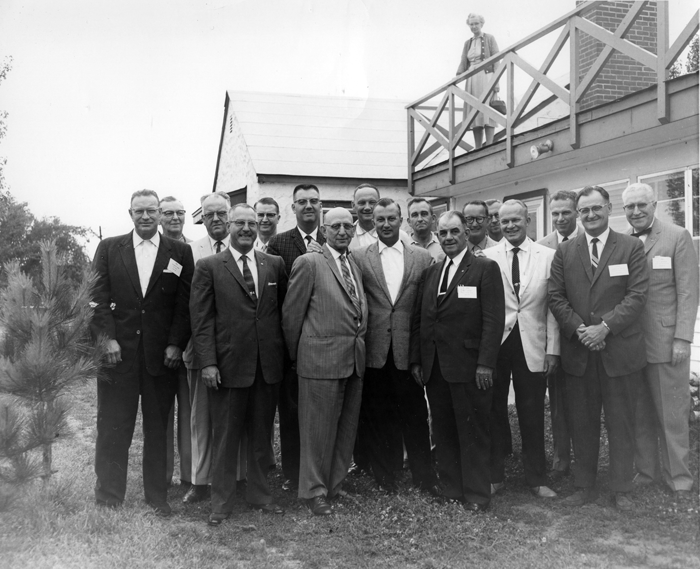
The FEMA board meets at Dead Duck Inn, La Crosse, Wis., for its summer session as guests of Director Jack Conant, Cuningham Mfg. Co. (center front row).
President Butler and Treasurer Boyer each gave a report, followed by the introduction of the Storms & Westcott organization and J.W. Coxon presented the new by-laws for approval. Following were reports by B.A. Fuller on membership (1,380 members);
- Incorporation by Murial F. Collie of new headquarters office; entertainment by L.B. Waller;
- Activities by James Ward, which included recommendations for a clearinghouse service for surplus or needed materials;
- Washington activities to keep members advised on government actions pending;
- Establishment of a Code of Ethics;
- Advertising and promotion to promote the smaller manufacturer to the dealer and consumer.
Long-range activities suggested included a traffic committee, clearinghouse on employer-employee relations, market research of world trade to help those exporting, and maintenance of an information service on jobber outlets.
Memorable Early Meetings of the Associations
Only once in its first 25 years did the association fail to hold a Spring and Fall general meeting. In March 1970, a strike of hotel workers in Las Vegas made national news and caused a last-minute cancellation of the Spring clinic at the Frontier Hotel.
On November 9, 1961, a fire at the Hotel Muehlebach, Kansas City, Mo., almost broke up the annual convention during President Thor Solem’s administration. He later boasted he had put on the “hottest convention FEMA ever held.”
That night Vice President Lyndon Johnson was to be guest speaker at a dinner meeting in the hotel, but the fire broke out, filling the hotel with fire and smoke and causing the evacuation of about 900 guests. Many FEMA members and their wives had their first experience escaping down an iron stairway fastened to the outside of the building.
Many celebrities were in town for the same meeting. They included President and Mrs. Harry Truman — he watched from the street level and seemed to enjoy the event as much as a small boy — Missouri Gov. John M. Dalton, Lt. Gov. Hilary M. Bush and Dr. Walter Pope Binns, and president of William Jewell College in whose honor the meeting was to have been held. H. Roe Bartle was mayor at the time — he was later a FEMA speaker in November 1970.
The story was flashed over the news wires and by radio and TV. There were frantic efforts by FEMA members to put through telephone calls to let their families know they were safe. The next day, when a test was made of the fire alarm system in the hotel, many thought it was another fire and dashed for the streets.
Presentations featured two vital themes the group would continue promoting annually — salesmanship and best management practices. Harold L. Smith of Cadillac Glass Co., Chicago, discussed “Salesmanship Marches On,” and E.B. Boyer of Tumer Mfg., discussed “Cost Accounting — Your Tool to Good Management.”
Farm Equipment Wholesalers Association (FEWA) members were guests of AFEMA for a cocktail party, dinner and entertainment. Among the speakers at the dinner were R.C. Cropper, R.C. Cropper Co., Macon, Ga., president of FEWA, and W.R. Noble, Washington, D.C. representative for both FEWA and the National Retail Farm Equipment Dealers Association.
First Annual Meeting
The first Annual Meeting of AFEMA was held on September 26-29, 1951, at the same Edgewater Beach Hotel in Chicago. This hotel was to become the “convention home” for the association for 22 meetings.
Elected as officers were President — Wendell E. Butler, Galloway Co., Waterloo, Iowa; 1st V.P. — R.W. Louden, Louden Machinery Co., Fairfield, Iowa; 2nd V.P. — Earl Martin, Jr., Helix Corp., Crown Point, Ind.; Secretary — E.E. Caum, Babcock Mfg. Co., Leonardsville, N.Y. and Treasurer — E.E. Boyer, Turner Mfg. Co., Statesville, N.C. The Cleveland-based Empire Plow’s C.C. Keller was elected director.
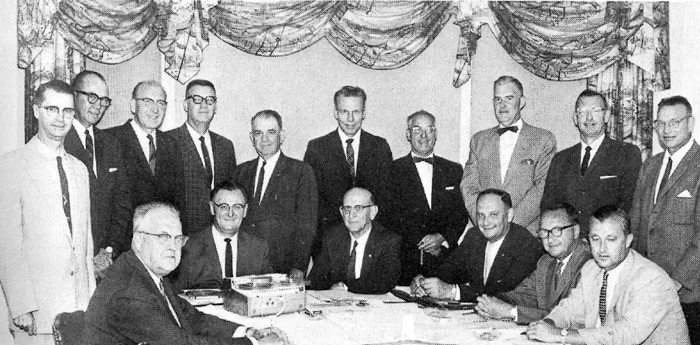
FEMA board Summer meeting, Curtis Hotel, Minneapolis, 1961. Left to right: (seated) W.L. Lory, Harold Halter, Thor Solem (president), R.W. Schmidt, W.J. Rawitzer, Jack Conant; (standing) Dave Davenport, Ralph Vermeer, Lorin Badskey, Harold Dyck, Earl Gaffney, John Jones, Leonard Fleischer, W.A. Matheson, Jr., M.L. Moreland, Taylor Snow.
Inaugural President Wendell Butler, Galloway Co., and later W.A. Matheson Sr. (Portable Elevator, Bloomington, Ill.), were the only two to serve two terms as association president.
Meetings of the Minds
The unique FEMA community was solidified by those who gathered in-person, galvanizing the new group among the mutual interests, needs & vital relationships necessary for success.
One of the most dependable and most powerful “magnets” to draw a group of business leaders to a given place at a given time is to assemble their most important customers at that same spot. This was what drew allied manufacturers to FEWA meetings before the formation of AFEMA. As the associations met year after year at the same time and place, its power compounded.
“We’re people with similar interests, industries and struggles. When you have the same struggles, you bond and look forward to seeing each other at least twice a year — sometimes more — and that becomes another family. As soon as you get to the conventions, you step away from your day-to-day work and the important things come out. We talk about getting to that higher elevation — that’s what FEMA does for you…” –Matt Westendorf, Westendorf Manufacturing
Strong as it was, this convenient gathering of customers was no longer the only or major reason. As time proved, the new association could hold highly successful meetings without the presence of customers. The management clinic held each spring — exclusively for shortline manufacturers and associate members — is one example.
The shortline manufacturer was hungry for knowledge to better to operate his business; to visit informally with other shortline executives to discuss mutual problems; to check their progress to date in the season vs. what others were doing; to get opinions and facts to better forecast what was ahead; to renew enthusiasm for the industry; and to check on trends that might mean new or improved products.
“We’ve been in FEMA 45-plus years and I’ve only missed a couple conventions. We started out with 8 employees and today we have 750. I give a lot of that credit to FEMA, where I met the right people. They are more than willing to help you as you grow, and I enjoy helping others at this stage of life…” –Don Landoll, Landoll Corp.
The association management recognized these “hungers” and fed them. Meetings were truly working sessions and attending members returned home having made another step forward in modern management know-how.
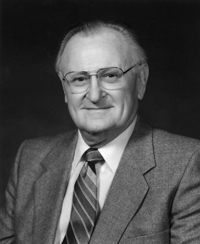
Harold Halter Switches from Dealer to Manufacturer Leadership: ‘The Right Man for the Job’
The upstart AFEMA recognized its need for a full-time leadership, and a friend from the National Retailers Farm Equipment Assn. (Executive Director Phil Mulliken) said “one person” had all the skills and talents to lead the association, even if it meant a void in his own staff.
Mulliken advanced the name of Harold Halter to take charge. Halter knew thousands of dealers, had military experience and Mulliken personally vouched for his amazing organizational skills.
AFEMA President Matty Matheson delivered “one of the greatest selling jobs of my life” and convinced Halter to join the association in late 1955. As part of the agreement, the association offices were moved from Chicago to Halter’s home in St. Louis, also near the dealers’ association offices. This proximity added credibility for a young organization trying to gain respect in the ag industry.
About Halter. Halter was born and raised in a rural-Illinois, traditional farming community. After graduating from Louisiana State Univ. in 1939 with a journalism degree, he began work as a reporter and Associated Press correspondent in St. Louis.
World War II prompted Halter to join the Army. He spent 4.5 years in service to his nation, rising to Lieutenant Colonel. Most of his time was overseas as a public relations officer to General Douglas MacArthur.
Halter, who was on the USS Missouri when Japan surrendered, returned home with the Bronze Star, the Purple Heart and a world-traveled experience in communications and leadership.
After the war, Halter became managing editor of a daily newspaper in Illinois, then managing editor of Farm & Power Equipment. He later spent five years as public relations director for the National Farm & Power Equipment Dealers Assn. (now NAEDA).
He was hired in 1955 and served as FEMA’s executive vice president for 29 years before retiring. He was succeeded by the late Bob Schnell, who’d worked alongside Halter since joining the organization in 1968.
Halter, who also had a post-retirement stint with Farm Equipment magazine, died at age 71 of a heart attack in 1988.
The Fall conventions marked the close of a year and the beginning of a new year with the election and presentation of the new board of directors and officers. The annual meetings were scheduled in cooperation with FEWA so the two associations would meet at the same time and place for all’s convenience.
Later, the association of manufacturers’ representatives started holding its meetings in the same city and at the same time, a convenience for those who used their services or were considering using them.
‘Meeting’ the Challenges
Almost before the association completed its charter member drive, in 1951, it was up to its neck helping the small manufacturers meet the challenge of steel shortages. President Wendell E. Butler and his associates became familiar figures in Washington, D.C., as they fought for fair steel allotments for AFEMA members and other allied manufacturers, first taking on the major equipment manufacturers and later the auto industry as they both argued the farm industry did not need help — and AFEMA won.
‘All in the Family’ FEMA Leadership
Through 2025, FEMA has had five sets of multi-generational board presidents:
- Phil Kaster (1997-98) & Paula Kaster (2007-08), Kasco Manufacturing
- Tom Burenga (1996-97) & Tim Burenga (2021-22), Worksaver Inc.
- Jim Hellbusch (1998-99) & Ben Hellbusch (2022-23), Duo Lift Manufacturing
- Jerry Danuser (2002-03) & Janea Danuser (2019-20); Danuser Machine Co.
- Layton Jensen (1999-2000) & Nick Jensen (2018-19), Thurston/Blu-Jet Manufacturing Co.
2025 FEMA Board of Directors
- Marc Ivey, President, Bush Hog, Inc. Selma, AL
- Scott Eisenmenger, 2nd Vice President, West Point Design Inc. West Point, NE
- Randy Reinke, Ex-Officio, Custom Products of Litchfield, Inc. Litchfield, MN
- Phil Landoll, Secretary, Landoll Company LLC. Marysville, KS
- Tim Burenga, Treasurer, Worksaver Inc. Litchfield, IL
- Joe Sampson, Supplier Section Representative, Embo Sales Consulting, LLC Johnston, IA
- Clair Ellis, Marketing Section Representative, Ellis Equipment Co. Wellsville, UT
- Paul Link, Vaderstad Inc., Wahpeton, ND
- Jeff Daniel, Yetter Farm Equipment Wichita KS
- Kat Coombes, Tillage Management Tulare, CA
- Roger Murdock, Montag Mfg. Inc. Trafalgar, IN
- David Hellbusch, Duo Lift Mfg. Columbus, NE
- Glendon Kuhns, Norden Mfg. North Bloomfield, OH
- James Shurts, Great Plains Mfg., Manufacturing Inc. Salina, KS
- Cor Lodder, Walinga Inc. Carman, MB
President E. Martin Jr., continued the Washington battle a couple of years later testifying that the excess profits tax was unfair and killed any chance the small manufacturer might have to get bigger. Again, the government decided the small manufacturer deserved help.
The association, it seemed, would thrive and grow from challenges. In the 1960s, no manufacturer escaped the challenge of a return to tough competitive times, caused in part by lower farm income.
“There are just a lot of ‘aha’ moments as you sit in meetings, listen or wander around at the coffee break or at the cocktail hour — visiting with people who you wouldn’t ordinarily talk to. You learn something from nearly everyone…” –John Tye
Shortline companies needed more help from FEMA — and received it in many ways. More services were added, and all activities were designed to help members become more competitive by being better managers and better salesmen. The big push started with the hiring of Harold Halter and the opening of a full-time headquarters well-trained in the needs and problems of the industry.
FEMA Leverages the Wisdom of its Past Presidents
At the 1955 board meeting, it was suggested that the past presidents be recognized for their service to the association. A later board acted on the suggestion of Executive Vice President Harold Halter. Since each past president served at least six years on the board and four years as an officer — gaining considerable, valuable experience and knowledge that should not be lost to the association — a steering committee was formed. Only past presidents would sit in as members.
Though they no longer had voting rights, the past presidents were invited to attend all board meetings. It soon became practice for the group to hold a breakfast before each board meeting during the Spring and Fall conventions. Any subject could be brought up and discussed. If the topic was of value to the association, the presiding member (the immediate past president) would suggest it at the board meeting immediately following breakfast.
Many recommendations were passed to the board, many of which have been accepted. The 1976 history book, FEMA: The First 25 Years, was a project that was turned over to past presidents to carry out.
A Tradition Still Leveraged
Past presidents understand their welcome invitation to board meetings is atypical of most trade associations.
“Once you’ve served as president, you can go to a board meeting forever,” says Landoll Corp’s Don Landoll (1990-91), who rarely misses a meeting. “I still enjoy and look forward to attending the board meetings as a past president, even though it’s not necessary to contribute much. But it’s always interesting to attend. It allows us old-timers to give advice if needed.”
Art’s Way Manufacturing’s Marc McConnell (2013-14) adds that the collective wisdom of those who’ve gone before in leading the association is vital, especially when younger officers are going through the chairs.
“Sometimes we’ll be at a crossroads on a topic and seeking the group’s wisdom and memory is helpful,” he says. “It’s a great resource and asset; to hear their input and advice at various points.”
One of the most noticeable changes was the stepped-up use of panel discussions at meetings. This provided coverage of more subjects helpful to members and exposure to those experienced in the subject matter. Participants included both members and outside speakers — including wholesalers, dealers and farmers.
Management seminars were started, led by professional consultants — many from business management departments of leading universities. More audience participation was also leveraged, giving members a chance to not only hear — but test — their knowledge and judgment against that of the seminar leaders as well as other FEMA members.