
Farmer sentiment declined, with the Purdue University-CME Group Ag Economy Barometer (AEB) Index decreasing from 135 points in August to 123 points in September (see Figure 1). Both subindices declined, with the Index of Current Conditions dropping by 18 points and the Index of Future Expectations dropping by 9 points (see Figure 2). Marking a reversal from last month, a lower proportion of respondents expect their operation to be better off financially (22%) than worse off (35%) a year from now. Higher input costs, chosen by a record 52% of respondents, remained the biggest concern. Moreover, 54% of respondents indicated that high input costs were the main factor limiting improvement in their farm’s financial situation. On a positive note, the Long-Term Farmland Value Expectations Index reached a new high of 168. The September barometer survey was conducted among 400 farmers across the country from September 14 to 18, 2026.
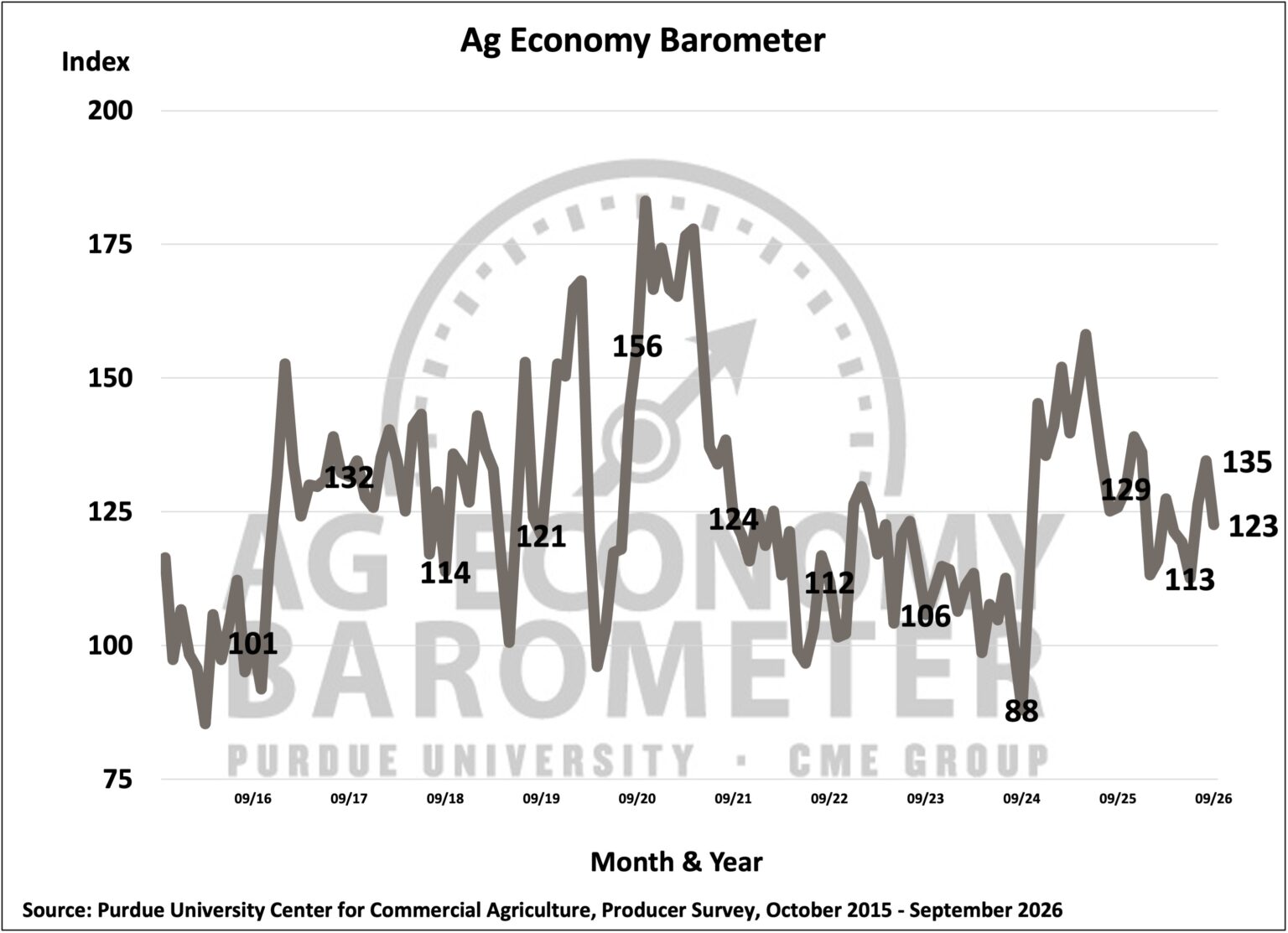
Figure 1. Purdue/CME Group Ag Economy Barometer, October 2015-September 2026.
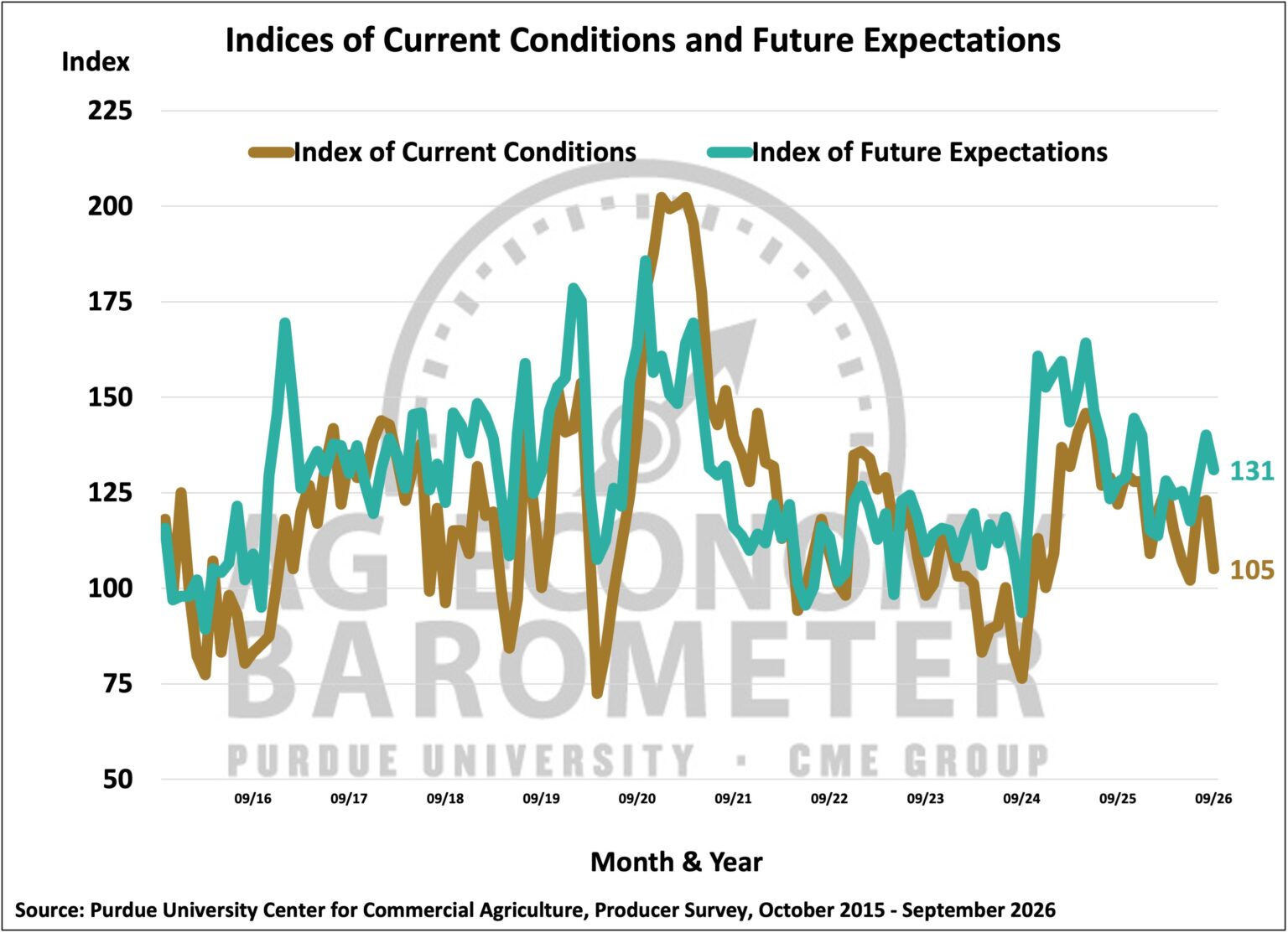 Figure 2. Indices of Current Conditions and Future Expectations, October 2015-September 2026.
The Farm Financial Performance Index decreased from 103 in August to 90 in September, reflecting greater pessimism among respondents about their financial prospects over the next 12 months. Consistent with this decline, the Farm Capital Investment Index also dropped 6 points to 39 (see Figure 3).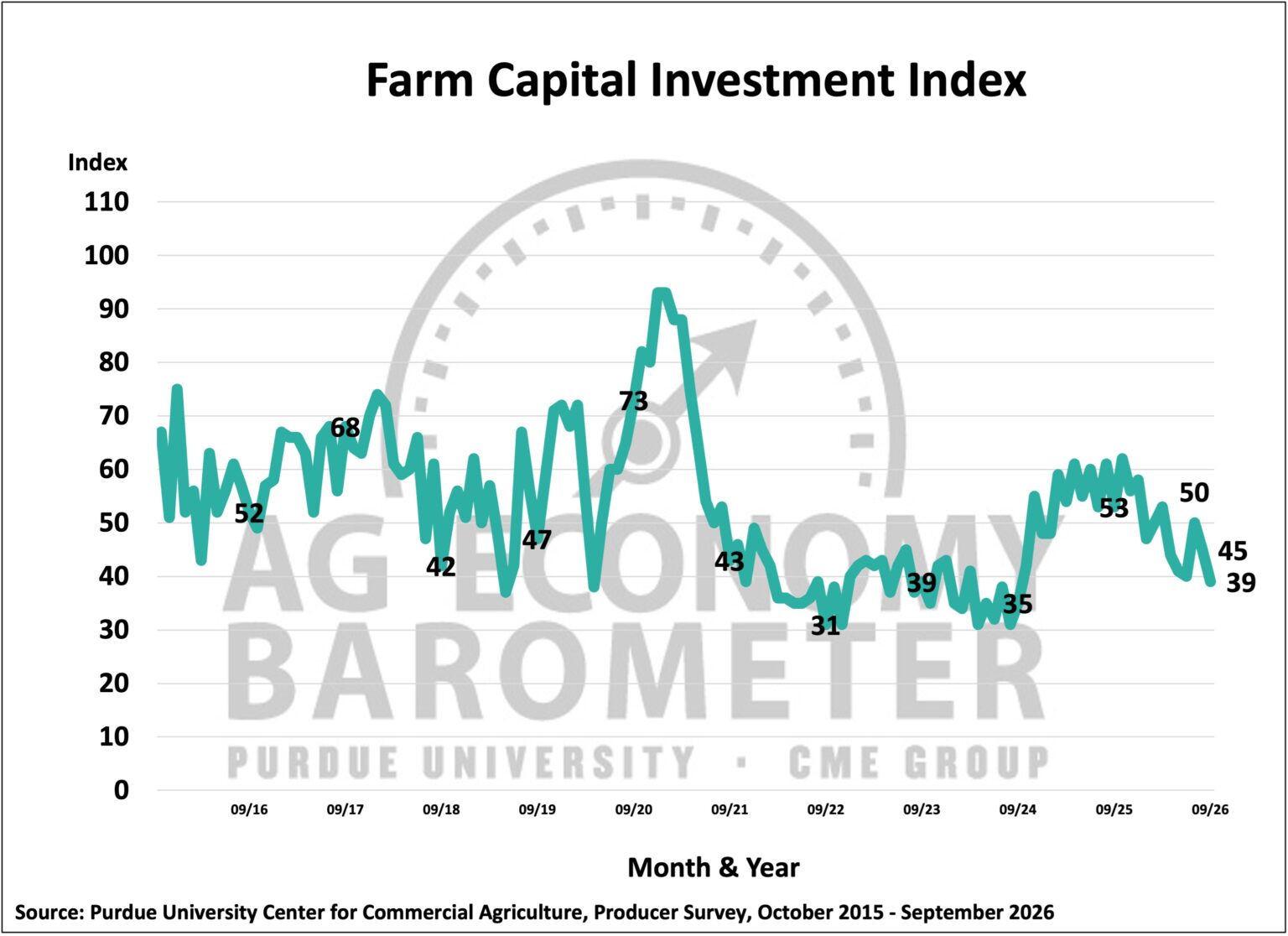 Figure 3. Farm Capital Investment Index, October 2015-September 2026.
Farmer sentiment decreased in September, with the largest deterioration coming from perspectives related to current conditions. The Index of Current Conditions decreased by 18 points, while the Index of Future Expectations decreased by 9 points. Respondents were less optimistic about their financial prospects in the upcoming year, and higher input costs were cited as the biggest concern by over 50% of respondents.
The percentage of respondents who thought that crop producers would have widespread good times in the next five years increased from 29% in August to 40% in September. In contrast, the percentage who thought that livestock producers would have widespread good times decreased from 64% in August to 55% in September.
Despite weaker overall sentiment, long-term expectations for farmland values remained strong, with the Long-Term Farmland Value Expectations Index reaching a new high. At the same time, fewer than half of respondents said the U.S. was headed in the “right direction” for the first time since the question was introduced in July 2025.